
Crusher Machine
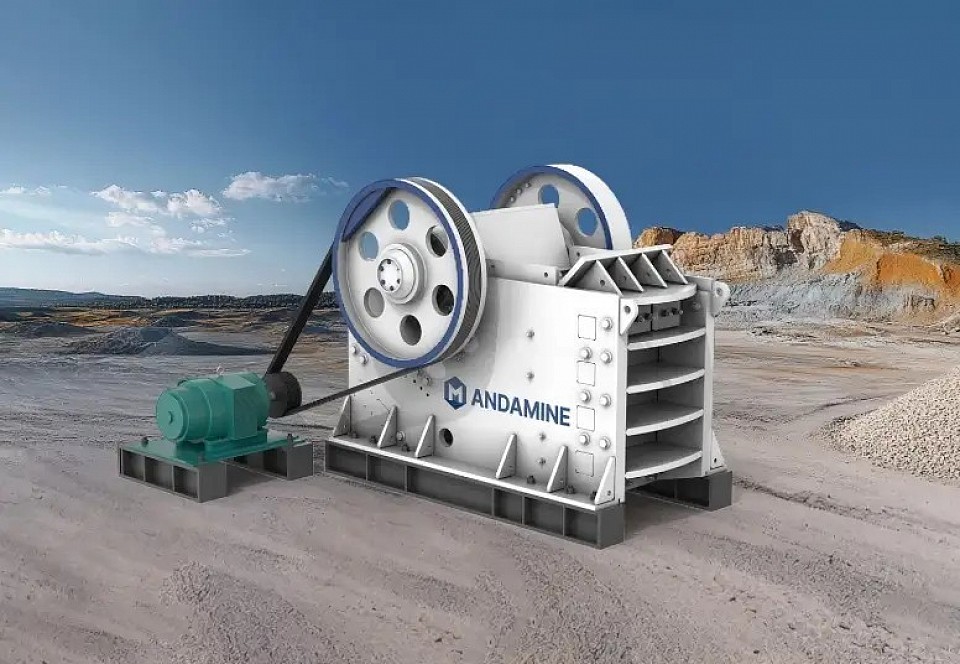
Choosing the Right Crusher for the Type of Material in Crushing Line
In any crushing line, selecting the right crusher is crucial for efficiency. The choice impacts the quality and cost-effectiveness of the operation. Different materials require specific crushers to achieve optimal results. This guide will help you choose the right stone crusher, aggregate crusher, gravel crusher, or granite crusher for your needs.
Understanding Crusher Types and Their Applications
Crushers come in various types, each designed for specific materials. The main categories include jaw crushers, cone crushers, impact crushers, and gyratory crushers. Each type offers unique benefits suited for different crushing tasks and material characteristics. Understanding these can guide your decision-making process.
Stone Crusher Selection
A stone crusher machine is a versatile machine used for crushing various stones. For softer stones like limestone, impact crushers are ideal. They reduce size effectively with minimal fines. For harder stones such as basalt, jaw crushers or gyratory crushers work best. They provide high crushing efficiency and durability.
Aggregate Crusher Choices
Aggregates play a critical role in construction projects. Choosing the right aggregate crusher is vital for producing high-quality materials. Cone crushers are excellent for precise control over particle size and shape. They produce high-quality aggregates. For larger aggregate sizes, jaw crushers offer the necessary power and efficiency.
Gravel Crusher Options
Gravel crushers are essential for producing road base materials. For fine gravel, impact crushers are effective. They excel at processing softer materials and creating finer particles. However, for coarser gravel, jaw crushers provide better performance. They efficiently handle larger feed sizes and produce uniform outputs.
Granite Crusher Considerations
Granite is a hard, abrasive material. Choosing the right granite crusher is crucial for success. Cone crushers are excellent for granite. They provide high reduction ratios and consistent outputs. Alternatively, jaw crushers handle granite well too. They offer robust performance and durability for demanding tasks.
Factors Influencing Crusher Selection
Several factors influence the choice of crusher type. First, consider the material's hardness and abrasiveness. Harder materials require stronger crushers. Next, evaluate the desired output size and shape. Different crushers produce varying particle sizes and shapes. Finally, assess the production capacity needed. Larger projects demand crushers with higher throughput.
Environmental and Operational Considerations
Environmental factors also impact crusher selection. Dust and noise emissions may affect your choice. Opt for crushers with dust suppression features if necessary. Additionally, consider the operational environment. Mobile crushers offer flexibility for remote locations. They are easily transported and set up on-site.
Cost and Maintenance Aspects
Cost is another critical factor. High-end crushers may offer better performance, but they come with a higher price tag. Balance initial investment with long-term benefits. Maintenance requirements vary between crusher types. Consider ease of maintenance and availability of spare parts. Regular maintenance ensures optimal performance and longevity.
Conclusion
In conclusion, choosing the right crusher for the type of material in a crushing line involves careful consideration. Understanding the unique requirements of stone crushers, aggregate crushers, gravel crushers, and granite crushers is essential. Factors like material hardness, desired output, environmental conditions, and cost influence the decision. By evaluating these aspects, you can select the most suitable crusher for your needs. This ensures efficient processing and high-quality end products. Investing time in choosing the right crusher pays off in the long run. It enhances productivity and reduces operational costs.
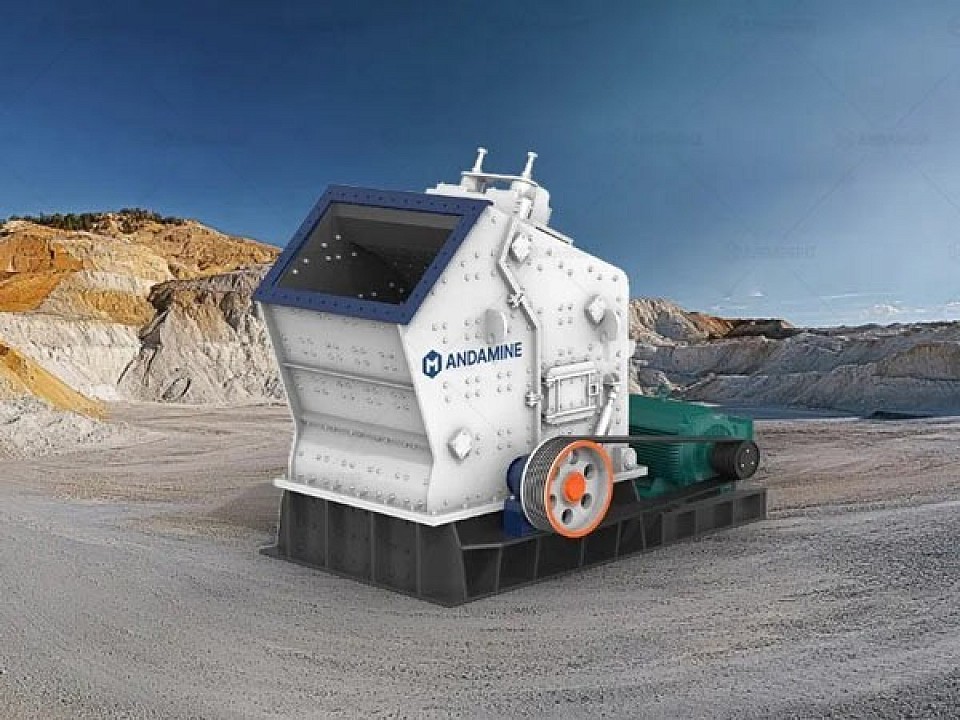
Crusher Machines Demystified: Your Guide to Different Crushers for Sale
Crusher machines form the backbone of modern construction and mining operations. These powerful tools transform large rocks into usable aggregates efficiently. With various types available, choosing the right crusher impacts your project's success.
This guide focuses on two popular options: jaw crusher machine for sale and impact crusher machine models. You'll learn how they work, their differences, and ideal applications. Whether you're buying equipment or optimizing operations, this knowledge proves valuable.
Understanding Crusher Machine Basics
Crusher machines reduce large materials into smaller, manageable sizes. They work through mechanical force applied in different ways. Each crusher type suits specific materials and production needs.
Primary crushers handle raw material initially. Secondary crushers refine the product further. Proper crusher selection ensures optimal efficiency and output quality.
Jaw Crusher Machine for Sale: Features and Benefits
Jaw crushers serve as reliable primary crushers. They feature two vertical jaws that compress materials. The fixed jaw remains stationary while the movable jaw exerts crushing force.
These machines excel at processing hard, abrasive materials. Granite and basalt crush effectively in jaw crushers. Their simple design ensures easy maintenance and operation.
When considering a jaw crusher machine for sale, evaluate feed size capacity. Larger models handle bigger rocks more efficiently. Check jaw plate specifications for your material type.
How Jaw Crushers Operate
Material enters the crushing chamber through the feed opening. The movable jaw moves toward the fixed jaw in cycles. This action crushes trapped material against the stationary surface.
Crushed material exits through the discharge opening. Operators adjust this gap to control product size. Regular maintenance keeps jaw plates in good condition.
Impact Crusher Machine: Key Characteristics
Impact crushers use high-speed impact rather than pressure. Rotors with blow bars strike incoming material violently. This action breaks materials into smaller pieces instantly.
These crushers work well for softer, less abrasive materials. Limestone and recycled concrete process efficiently in impact crushers. They produce well-shaped, cubical aggregates.
An impact crusher machine often serves as secondary crusher. It refines material after initial jaw crushing. Some models handle primary crushing for certain applications.
Impact Crusher Working Principle
Material enters the crushing chamber through the feed chute. High-speed rotors fling material against impact plates. This impact shatters materials into smaller fragments.
Adjustable settings control product gradation. Some models feature multiple crushing chambers. Regular inspection of blow bars maintains crushing efficiency.
Comparing Jaw and Impact Crushers
Jaw crushers suit harder materials better. They typically have higher production capacities. Maintenance costs often run lower than impact crushers.
Impact crushers create better-shaped aggregates. They handle softer materials more effectively. These crushers offer greater reduction ratios in single passes.
Consider your material type when choosing between them. Hard rocks typically need jaw crushers first. Softer materials may go directly to impact crushers.
Applications for Different Crusher Types
Mining Operations
Jaw crushers process extracted ore initially. Impact crushers may refine the product further. Both types serve critical roles in mineral processing.
Construction Projects
Jaw crushers create base materials for roads. Impact crushers produce quality aggregates for concrete. Recycling operations use both types effectively.
Demolition and Recycling
Impact crushers excel at processing concrete rubble. Jaw crushers handle larger demolition debris. Combined systems maximize material recovery.
Factors to Consider When Purchasing
Material Characteristics
Evaluate hardness, abrasiveness, and moisture content. Hard materials need robust jaw crushers. Softer materials suit impact crushers better.
Production Requirements
Determine your needed output capacity. Match crusher size to your volume needs. Consider future growth when selecting equipment.
Maintenance Considerations
Jaw crushers require regular jaw plate replacement. Impact crushers need frequent blow bar changes. Factor in spare parts availability and cost.
Finding Quality Crushers for Sale
Reputable dealers offer various jaw crusher machine for sale options. Compare specifications before purchasing. Inspect used equipment thoroughly.
Look for impact crusher machine models with good service histories. Consider both new and well-maintained used options. Verify dealer support and warranty terms.
Maintenance Best Practices
Follow manufacturer maintenance schedules strictly. Lubricate moving parts regularly. Replace wear components before complete failure occurs.
Keep detailed maintenance records. Train operators in proper inspection techniques. Address minor issues before they become major problems.
Safety Operation Guidelines
Always use proper personal protective equipment. Never bypass machine safety features. Follow lockout procedures during maintenance.
Keep unauthorized personnel away from operating crushers. Establish clear emergency protocols. Conduct regular safety training sessions.
Conclusion
Choosing between a jaw crusher machine for sale and impact crusher machine depends on your needs. Jaw crushers handle hard materials effectively. Impact crushers produce quality aggregates from softer materials.
Understanding these differences helps make informed purchasing decisions. Proper operation and maintenance ensure long equipment life. The right crusher machine becomes a valuable asset for any operation.
Evaluate your requirements carefully before investing. Consult with experts when unsure. Quality crushers deliver reliable performance for years when maintained properly.
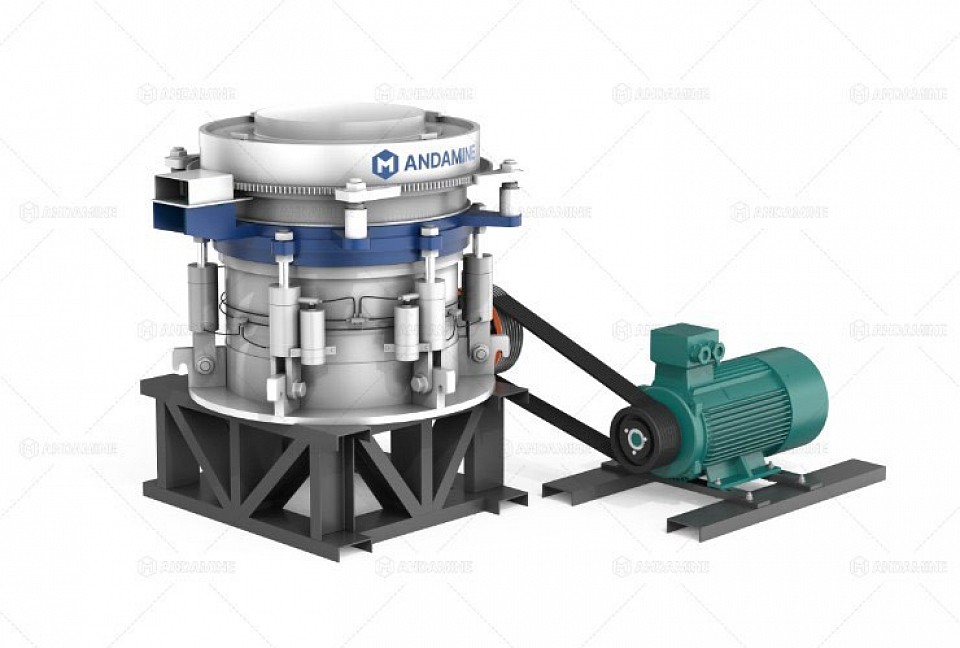
What is the difference between a cone crusher and an impact crusher?
Choosing the right crusher for your operation is crucial in the mining, construction, and recycling industries. Cone crushers and impact crushers are popular options, but they have distinct differences. Understanding these differences can help you make informed decisions. This blog explores the unique characteristics of each crusher type.
Understanding Cone Crushers
Cone crushers are specialized machines designed for secondary and tertiary crushing. They reduce large rocks into smaller, more manageable pieces. These crushers are particularly effective for hard and abrasive materials.
The design of a cone crusher machine includes a conical-shaped chamber. Inside, a rotating spindle crushes the material against the chamber walls. The material breaks down due to compressive force. This process ensures high efficiency and precise particle size.
Cone crushers are favored for their ability to produce consistent, uniform output. They are ideal for operations requiring high-quality aggregates. Additionally, they offer a high reduction ratio, making them suitable for various applications.
Exploring Impact Crushers
Impactor crushers, on the other hand, are versatile machines used for primary, secondary, and even tertiary crushing. They utilize impact force to break down materials. These crushers are effective for softer, less abrasive materials.
The design of an impact crusher includes a rotor that rotates rapidly. When material enters the machine, the rotor hurls it against breaker plates. This action shatters the material through impact force.
Impact crushers are known for their ability to produce cubical-shaped final products. They are suitable for applications where shape is crucial, such as in road construction. Moreover, they can handle larger feed sizes than cone crushers.
Key Differences Between Cone and Impact Crushers
The primary difference lies in their crushing mechanisms. Cone crushers use compressive force, while impact crushers rely on impact force. This distinction affects their applications and suitability for different materials.
Cone crushers are ideal for hard, abrasive materials like granite and basalt. They provide consistent, high-quality output. Impact crushers are better for softer materials like limestone and recycled concrete. They excel in producing cubical-shaped products.
Another difference is the output size. Cone crushers produce more uniform particle sizes. Impact crushers offer more flexibility in adjusting the output size. This feature makes impact crushers suitable for projects requiring specific product specifications.
Applications of Cone and Impact Crushers
Cone crushers are widely used in mining and aggregate production. They handle tough materials efficiently, making them essential for producing high-quality aggregates. Their precision and consistency make them a popular choice for many operations.
Impact crushers are versatile and find applications in recycling, road construction, and demolition. They process materials like concrete, asphalt, and softer stones. Their ability to produce specific shapes makes them valuable for certain projects.
Maintenance and Efficiency Considerations
Both cone and impact crushers require regular maintenance for optimal performance. Cone crushers need routine inspections and lubrication. Proper maintenance ensures smooth operation and extends the machine's lifespan.
Impact crushers also need regular maintenance but may require more frequent checks. The high-speed rotor and breaker plates can wear down quickly. Timely maintenance helps prevent unexpected breakdowns.
Efficiency is another factor to consider. Cone crushers offer higher efficiency for hard materials. Impact crushers are more efficient for softer materials and specific shape requirements.
Conclusion
Understanding the differences between cone and impact crushers is essential for selecting the right equipment. Each crusher type has its unique advantages and applications. Cone crushers excel in handling hard, abrasive materials with precision. Impact crushers offer versatility and flexibility for softer materials and specific shapes. By assessing your material and project needs, you can choose the most suitable crusher for your operation. This knowledge ensures effective and efficient processing, ultimately enhancing productivity.
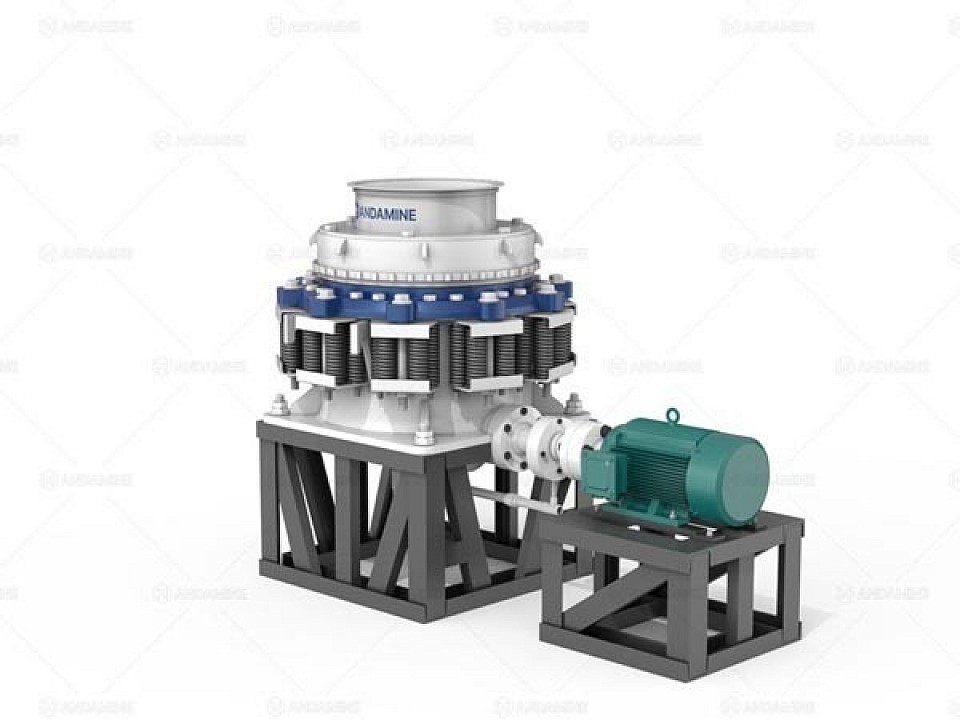
what is a cone crusher machine
Cone Crusher Working Principle and Its Role in Aggregate Production
Cone crushers are vital crusher equipment in many crushing plants. They are widely used in aggregate production for mining and construction. To use them well, we must understand the cone crusher working principle. This principle explains how the machine crushes material efficiently. It also shows why cone crushers are suited for fine and uniform crushing. This blog links the working principle with its role in producing quality aggregates. The goal is to give customers clear, useful knowledge for better equipment choices.
Let’s explore how cone crushers work and why they matter in aggregate production.
1. Why Aggregate Production Needs Cone Crushers
Aggregates are the main materials in concrete, asphalt, and road bases. Their size, shape, and consistency affect final product quality. Producers need equipment that delivers fine, uniform particles. Cone crushers are built for secondary and tertiary crushing stages. They refine material from jaw or impact crushers into precise sizes.
In aggregate production, cone crushers help meet strict gradation specs. They also improve particle shape, which strengthens concrete and asphalt. As part of crusher equipment, they ensure stable output for large and small projects.
2. Cone Crusher Working Principle Explained
The cone crusher working principle is based on compression and eccentric motion. Inside the crusher, an eccentrically driven mantle gyrates against a fixed concave bowl liner. Material fed into the top is compressed and broken between these surfaces.
As the mantle moves, it creates a squeezing action. This action crushes rocks repeatedly until they reach the desired size. Smaller particles fall through the chamber openings. Oversized pieces remain for further crushing. This continuous process yields uniform, cubical aggregates.
3. Main Parts Involved in the Working Principle
Key parts in the cone crusher working principle include the mantle, concave, drive shaft, and eccentric assembly. The mantle rotates eccentrically, forcing material against the concave. The gap between them sets the final product size.
Adjusting this gap changes the output size. The drive shaft transfers power to the eccentric mechanism. Springs or hydraulic systems allow the mantle to retract if uncrushable objects enter. This protects the crusher from damage. Understanding these parts helps operators control crushing actions.
4. How the Working Principle Supports Aggregate Quality
The controlled compression in the cone crusher working principle produces well-shaped particles. These particles have fewer flat or elongated forms. Such shape improves bonding in concrete and asphalt mixes.
Cone crushers also provide consistent gradation. This means producers can meet spec requirements batch after batch. In aggregate production, repeatable quality reduces waste and rework. It also builds trust with contractors and builders.
Because of this, cone crushers are preferred for final-stage crushing in many plants.
5. Benefits of Using Cone Crushers in Crushing Plants
Using cone crushers as part of crusher equipment offers several benefits. First, they handle hard and abrasive materials well. Second, they give high reduction ratios with low energy use per ton. Third, they need less maintenance than some other crushers.
Their design allows stable operation in fixed or mobile plants. They also suit different production scales, from quarries to recycling. With proper settings, they maximize output while keeping product quality high.
6. Matching Cone Crushers to Aggregate Production Needs
Selecting the right cone crusher depends on feed material and target size. For hard rock like granite, a standard or hydrocone model works well. For fine crushing in manufactured sand production, a fine head cone is better.
Operators adjust speed, stroke, and cavity design to match production goals. This flexibility makes cone crushers valuable in varied aggregate operations. Knowing the cone crusher working principle helps in making these adjustments confidently.
7. Conclusion: Reliable Crushing for Better Aggregates
The cone crusher working principle is based on eccentric compression that refines material into uniform sizes. As key crusher equipment, cone crushers play a major role in aggregate production. They improve particle shape, ensure gradation consistency, and support high-quality end products.
Understanding this principle helps customers choose and operate cone crushers wisely. It leads to more efficient plants and better-performing construction materials.
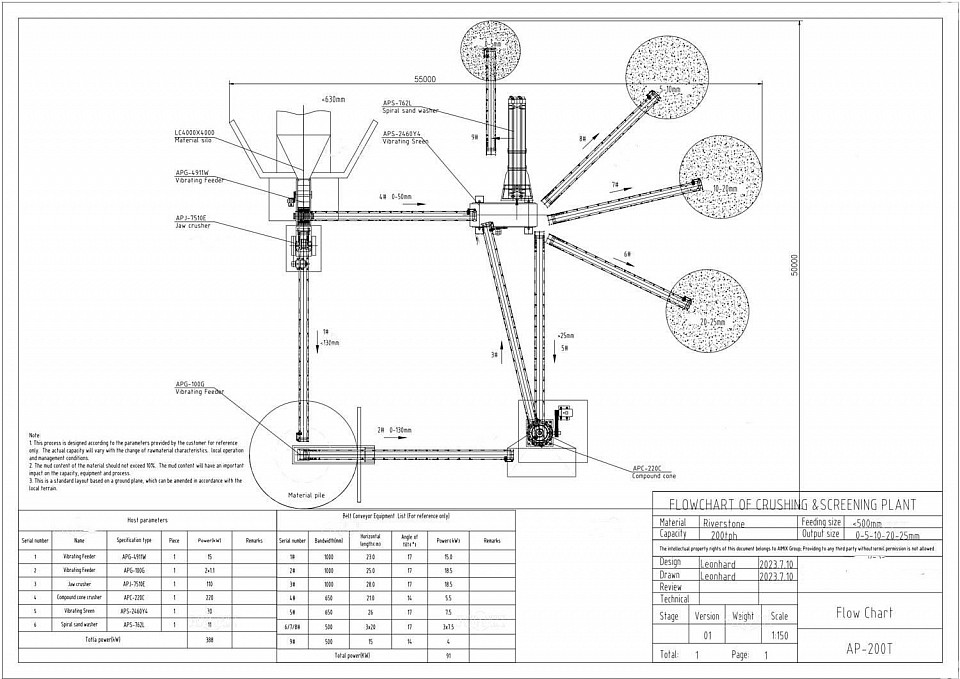
How to Make 200t Stationary Aggregate Crushing Plant Process Flow Chart for Future Check
Creating a comprehensive aggregate crushing plant process flow chart for a 200t stationary aggregate crusher installation represents a critical documentation process that serves multiple essential functions including operational reference, maintenance planning, troubleshooting guidance, and regulatory compliance. The development of this visual documentation requires systematic analysis of the complete material processing circuit, from raw feed intake through primary crushing, secondary reduction, tertiary refinement, screening operations, and final product stockpiling. When designing a aggregate crushing plant process flow chart specifically for a 200t stationary aggregate crusher, the diagram must accurately represent the interconnection of all processing stages while clearly identifying equipment specifications, capacity ratings, material flow paths, and key control points that influence final product quality and system efficiency. This technical documentation becomes an invaluable reference tool for plant operators, maintenance personnel, and management staff, providing immediate visual understanding of the complete processing system that enables rapid response to operational issues, efficient training of new employees, and systematic planning for production optimization or future expansion projects. The creation of a properly structured aggregate crushing plant process flow chart requires methodical data collection, accurate equipment representation, and clear visualization techniques that collectively produce a reference document capable of supporting the long-term operational efficiency of the 200t stationary aggregate crusher installation.
Comprehensive Data Collection and System Analysis
The initial phase in developing an accurate aggregate crushing plant process flow chart involves thorough data collection and systematic analysis of the complete processing circuit centered around the 200t stationary aggregate crusher. This foundational work begins with detailed equipment inventory documenting every major component in the system, including primary crusher specifications, secondary and tertiary crushing units, screening equipment with deck configurations, conveyor systems with dimensions and capacities, and all auxiliary equipment such as feeders, hoppers, and dust collection systems. For a 200t stationary aggregate crusher installation, particular attention should be paid to the specific model specifications, crushing chamber configuration, drive system details, and operational parameters that define its performance characteristics within the overall processing circuit. Beyond equipment documentation, the data collection process must encompass material flow analysis that tracks the movement of aggregate through each processing stage, identifying all potential flow paths, bypass options, recirculation loops, and transfer points that collectively define the plant's operational flexibility. Additionally, comprehensive performance data should be gathered for each processing stage, including throughput capacities, power consumption metrics, typical product gradations, and operational limitations that influence how the 200t stationary aggregate crusher integrates with upstream and downstream equipment. This rigorous data collection establishes the factual foundation upon which an accurate and useful aggregate crushing plant process flow chart can be constructed, ensuring the final documentation reflects the actual operational characteristics of the specific installation rather than generic representations that lack practical utility for daily reference and troubleshooting activities.
Flow Chart Structure and Symbol Standardization
The organizational framework and symbolic language used in creating an aggregate crushing plant process flow chart must follow established conventions to ensure clarity, consistency, and universal comprehension across all users who will reference the document. The structural organization typically follows the sequential material flow through the processing circuit, beginning with raw feed intake and progressing systematically through each size reduction and classification stage until reaching final product stockpiling, with the 200t stationary aggregate crusher positioned according to its specific role within this sequence. Standardized symbols representing different equipment types should be employed consistently throughout the aggregate crushing plant process flow chart, using recognized industry shapes for crushers, screens, conveyors, bins, and other processing equipment to create immediate visual recognition without requiring explanatory text for basic identification. The connections between equipment symbols must clearly illustrate both primary material flow paths and alternative routing options, using distinct line styles or colors to differentiate between product streams, recirculating loads, and bypass arrangements that may be utilized during different operational modes. For a 200t stationary aggregate crusher installation, additional annotation may be necessary to explain specialized configurations such as closed-circuit operations with screening units, multiple product separation points, or unique material handling arrangements that distinguish the specific plant design. This standardized approach to flow chart construction creates a coherent visual language that transcends individual user experience levels, making the aggregate crushing plant process flow chart equally valuable for seasoned operators, maintenance technicians, engineering staff, and management personnel who require understanding of the processing circuit centered around the 200t stationary aggregate crusher.
Equipment Specification Integration and Capacity Annotation
Transforming a basic process diagram into a comprehensive operational reference requires the strategic integration of detailed equipment specifications and capacity annotations throughout the aggregate crushing plant process flow chart. Each major component within the system, beginning with the central 200t stationary aggregate crusher, should be clearly labeled with essential operational parameters including model numbers, drive motor specifications, throughput capacities under standard operating conditions, and key performance characteristics that influence overall system behavior. The flow connections between equipment should include annotations indicating normal flow rates, typical material characteristics at each transfer point, and direction of flow to provide context for the movement of material through the circuit. For the 200t stationary aggregate crusher specifically, the aggregate crushing plant process flow chart should clearly indicate its position within the size reduction sequence, whether serving as primary, secondary, or tertiary crushing stage, along with relevant operational settings such as closed-side setting ranges, recommended feed size distributions, and expected product gradations under normal operating conditions. Additional equipment such as screens should include specifications regarding deck configurations, aperture sizes, and typical efficiency rates, while conveying systems require annotation of belt widths, speeds, and capacities to complete the comprehensive operational picture. These detailed specifications transform the aggregate crushing plant process flow chart from a simple connectivity diagram into a genuine reference document that supports daily operational decisions, maintenance planning activities, and troubleshooting efforts by providing immediate access to critical performance parameters without requiring consultation of multiple separate equipment manuals or specification sheets.
Control Point Identification and Operational Parameter Documentation
A truly functional aggregate crushing plant process flow chart must clearly identify critical control points throughout the processing circuit and document the operational parameters associated with each monitoring location to support consistent production quality and efficient troubleshooting. These control points typically include feed rate monitoring stations, product sampling locations, performance measurement positions, and equipment protection systems that collectively ensure stable operation of the 200t stationary aggregate crusher and associated processing equipment. Within the aggregate crushing plant process flow chart, each control point should be clearly marked using standardized symbols and annotated with relevant target parameters, acceptable operating ranges, and measurement methodologies that guide operational staff in maintaining optimal processing conditions. For the 200t stationary aggregate crusher specifically, key control points would include feed rate monitoring to prevent choking or underutilization, product gradation sampling to verify performance against specifications, and power consumption tracking to identify developing mechanical issues or changing material characteristics. Additional control points throughout the circuit should identify screening efficiency measurement locations, conveyor loading monitors, and storage bin level indicators that collectively provide comprehensive system status awareness. The aggregate crushing plant process flow chart should also document interlocks and safety systems that protect equipment from damage, such as metal detection systems upstream of the 200t stationary aggregate crusher, emergency stop locations, and automated shutdown sequences that activate when potentially damaging conditions are detected. This comprehensive documentation of control parameters transforms the flow chart from a simple equipment diagram into an operational management tool that supports consistent production quality, equipment protection, and efficient troubleshooting throughout the aggregate processing system.
Maintenance Reference Integration and Component Identification
To maximize the utility of the aggregate crushing plant process flow chart for maintenance planning and component management, the diagram should incorporate strategic references to maintenance requirements, component identification systems, and service access considerations that support the long-term reliability of the 200t stationary aggregate crusher installation. Each major equipment item within the flow chart should include reference markers that correlate with separate maintenance documentation, indicating recommended service intervals, lubrication requirements, and common wear components that require periodic replacement to maintain operational efficiency. For the 200t stationary aggregate crusher specifically, the flow chart might highlight key maintenance points such as mantle and concave replacement indicators, lubrication system service locations, and drive component inspection points that experience predictable wear during normal operation. A standardized component identification system should be implemented throughout the aggregate crushing plant process flow chart, using consistent numbering or coding that corresponds with spare parts inventories, maintenance records, and equipment documentation to streamline the parts identification process during maintenance activities. Additionally, the flow chart can incorporate symbolic representations of service access requirements, indicating areas where special equipment or extended downtime may be necessary for component replacement or major repairs, enabling more accurate maintenance planning that minimizes disruption to production schedules. This integration of maintenance information transforms the aggregate crushing plant process flow chart into a comprehensive reference tool that supports not only operational understanding but also the systematic preservation of equipment reliability through proactive maintenance management focused on the 200t stationary aggregate crusher and its supporting processing equipment.
Digital Integration and Future Update Protocols
In contemporary industrial environments, the creation of an aggregate crushing plant process flow chart should incorporate digital integration strategies and establish clear protocols for future updates to ensure the documentation remains accurate and accessible throughout the operational life of the 200t stationary aggregate crusher installation. The flow chart should be developed using appropriate software platforms that support both detailed technical documentation and simplified overview versions suitable for different user groups, with digital formats that enable easy distribution, remote access, and integration with other operational systems such as computerized maintenance management software or process control interfaces. Establishing systematic update protocols is essential for maintaining the long-term accuracy of the aggregate crushing plant process flow chart, with defined procedures for incorporating equipment modifications, process improvements, or circuit expansions that occur throughout the operational life of the 200t stationary aggregate crusher installation. Version control systems should be implemented to track revisions and ensure all users reference the current documentation, with change logs that document modifications, rationales for changes, and implementation dates to preserve institutional knowledge about the evolution of the processing circuit. Additionally, the digital aggregate crushing plant process flow chart can be enhanced with interactive elements such as hyperlinks to equipment manuals, embedded photographs of installation details, or connections to real-time operational data that provide context beyond the static diagram representation. This forward-looking approach to flow chart development ensures the documentation remains a living reference tool that continues to support operational efficiency, maintenance planning, and troubleshooting activities throughout the service life of the 200t stationary aggregate crusher and its associated processing equipment, delivering lasting value far beyond the initial creation effort.
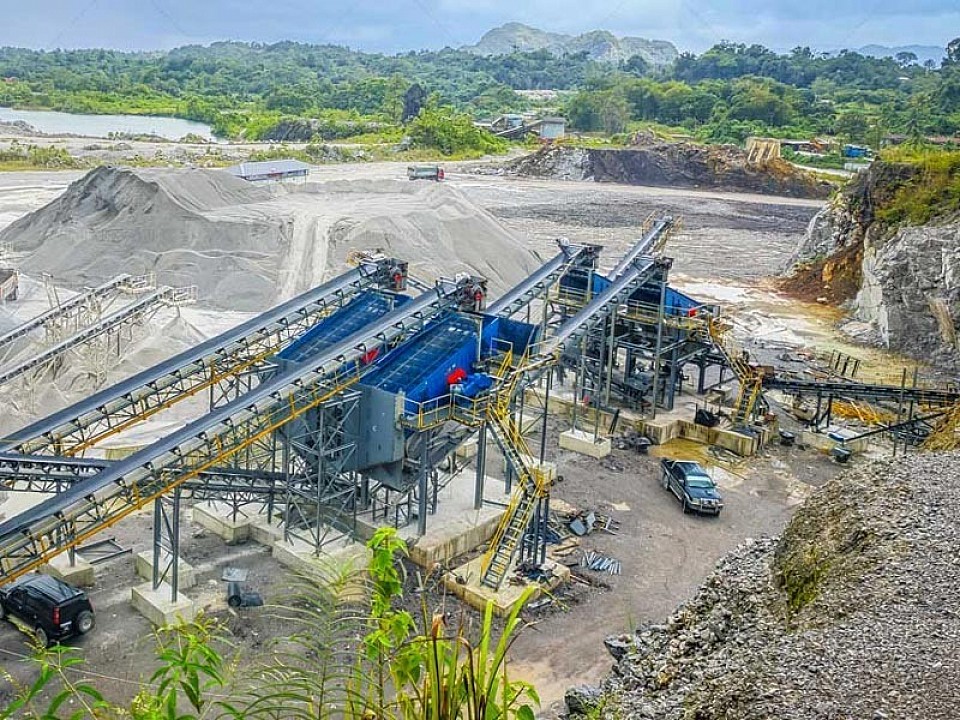
Andamine sand and aggregate production onsite
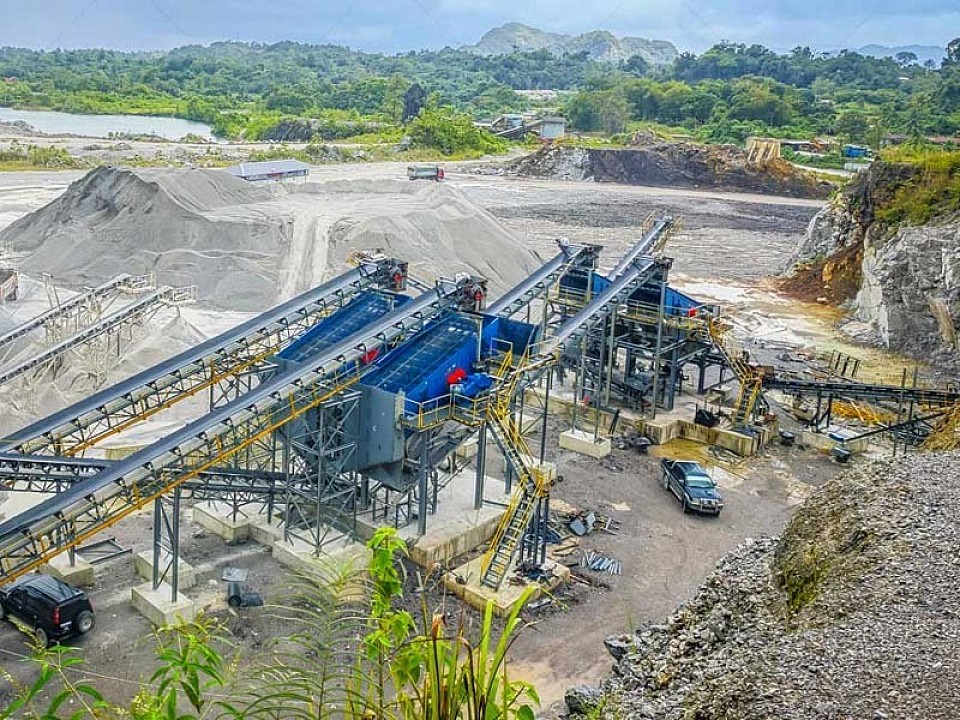
Sand Making and Washing Plant
Sand Making and Washing: How to Get Clean, Quality Sand Step by Step
Sand is key in construction, concrete, and glass making. But raw sand often has dirt, clay, or other impurities. Sand making and washing turn rough material into usable sand. Let’s break down this process clearly.
Why Sand Making and Washing Matter
Clean, well-shaped sand boosts project quality. For example, concrete with pure sand is stronger. Washed sand also reduces wear on tools. Yet, many skip proper steps and get poor results. So, understanding the process helps you choose better methods. Also, it saves time and cuts waste.
First, start with raw material like river stone or mountain rock. This material is too big and mixed with debris. We need to crush, shape, and clean it. That’s where steps like crushing, making, and washing come in.
Start with Crushing: Jaw Crushers for Sale as a First Step
Crushing breaks large rocks into smaller pieces. A common first machine is a jaw crusher. It uses two plates to press rocks until they split. Many buyers look for jaw crushers for sale that fit their site size. A right jaw crusher handles hard stones without jamming.
Next, we move to shaping. Cone crushers or impact crushers refine crushed pieces. They make grains more even. This step matters for sand that must meet size rules. After shaping, we sort sizes. Here, a crushing and screening plant works well. It sorts crushed bits into different grades fast.
From Crushed Material to Sand: The Making Process
Now, small crushed pieces go to sand making machines. These are called VSI or vertical shaft impactors. They throw material at high speed to shape sand grains. Some models also screen while making sand. This step gives sand its final size and texture.
Still, the sand may hold dust, silt, or clay. That’s why washing comes next. Washing removes fine particles that weaken sand quality. It also stops clumps that block tools or mix poorly in concrete.
Washing: Key to Pure, Usable Sand
Washing uses water and sometimes screens or hydrocyclones. Water carries away mud and dust. Screens catch bigger bits left from making. Hydrocyclones spin material to separate light, fine waste. The result is clean sand that meets specs.
For large jobs, a full crushing and screening plant with washing units saves space. It runs all steps in one setup. This cuts transport time between machines. Also, modern plants use less water and recycle it. So, they suit tight water supply areas.
Picking Tools That Fit Your Needs
When planning, think about input material and output goals. If you handle hard rock, pick tough jaw crushers for sale with strong motors. For varied sizes, choose a flexible crushing and screening plant. Check if it links well with sand makers and washers.
Also, ask about maintenance needs. Simple parts mean less downtime. Look for machines with clear controls. New models show real-time data, so you adjust fast. This helps keep sand quality steady.
Small Tips for Better Results
First, test your raw material. Know its hardness and impurity level. This guides machine choice. Second, run crushing and washing in order. Skipping steps leaves dirty or odd-sized sand. Third, clean water often. Dirty water makes washed sand less pure.
Also, train staff to watch output. Spotting off-size grains early avoids big waste. Finally, match plant size to daily needs. Overbuilding costs more. Underbuilding slows work.
Wrap-Up: Simple Steps for Reliable Sand
Sand making and washing is a clear path from rough rock to clean sand. Start with the right jaw crushers for sale. Then use a good crushing and screening plant. Shape sand well and wash out flaws. Each step adds value and cuts problems.
If you plan a sand project, take time to match tools to tasks. This way, you get sand that works, lasts, and saves cost. Clean sand builds better projects, and the process is easier when you know each part.
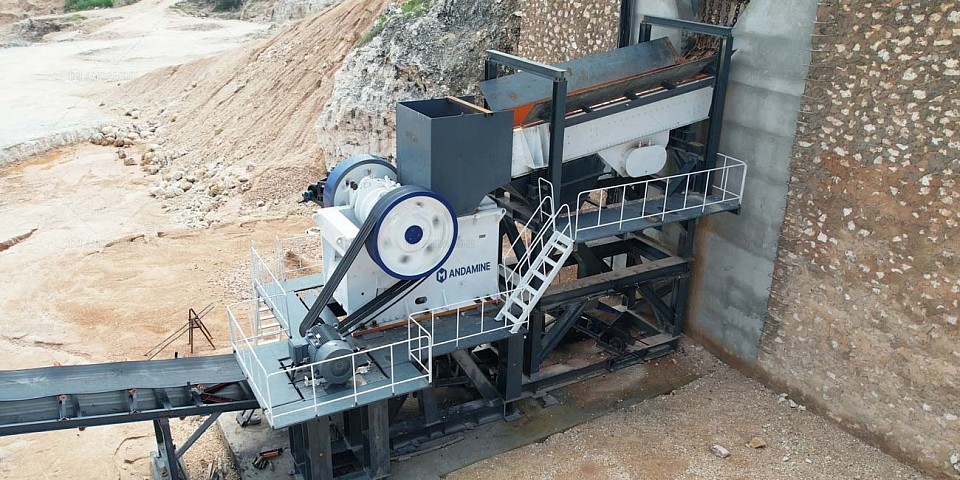
Andamine jaw crusher working onsite
Crusher Machine Cost: A Practical Guide to Budgeting for Your Stone Crushing Project
Understanding crusher machine cost helps you plan your investment with more confidence. Many factors affect the final price of a crushing solution, so you should evaluate equipment type, capacity, and configuration first. This guide explains key cost elements in simple terms and shows how to control your budget while meeting production needs.
Why Crusher Machine Cost Varies
Crusher prices change because project requirements are different. Raw material hardness directly affects machine selection, and hard rock needs stronger wear parts and higher power. Therefore, the total investment becomes higher. Capacity also plays an important role in cost because higher output requires larger machines and stronger structures. In addition, transport and installation fees increase with size. Automation level also influences the final budget. Basic systems cost less but need more labor, while advanced control systems improve efficiency but raise the price.
Equipment Type and Its Impact on Price
Different crushers have different cost ranges, and each machine performs a specific task in the crushing process. Selecting the correct type helps you avoid unnecessary spending and improves production efficiency.
Jaw Crusher Cost and Its Features
Jaw crusher cost is usually lower than other primary crushers because the structure is simple and easy to maintain. It suits primary crushing for many stone types, so it is widely used in different projects. However, the price still changes with size and capacity because larger feed openings increase manufacturing cost. High wear resistance parts also raise the investment, so you should match the model with your required output instead of choosing an oversized machine.
Cone Crusher and Impact Crusher Investment
Cone crushers are suitable for secondary or tertiary crushing, and they produce more uniform particle sizes. Their price is higher due to the complex structure and advanced technology. In contrast, impact crushers are often used for softer materials because they provide good particle shape for aggregates. However, their hammer and liner costs should be considered during budgeting.
Cost of a Complete Stone Crusher Machine Plant
A single crusher cannot complete all crushing tasks, so most projects need a full stone crusher machine plant. This plant includes feeders, crushers, screens, and conveyors, and each component adds to the total investment. However, a well-designed plant improves overall efficiency and reduces long-term operating cost. Therefore, you should focus on system matching instead of unit price because a balanced layout lowers energy consumption and labor demand.
Transportation, Installation, and Foundation Costs
Many buyers ignore these additional expenses at first, but they take a significant part of the budget. Transport cost depends on distance and machine size, and large equipment needs special loading and shipping methods. Installation requires professional technical support, while foundation construction needs concrete and labor. As a result, you should include these costs in your early budget plan.
Operating and Maintenance Costs
Initial purchase price is only part of the total cost because daily operation creates continuous expenses. Power consumption depends on equipment configuration, and efficient machines reduce electricity use over time. Wear parts replacement is another major expense, so selecting durable components helps control the budget. Regular maintenance prevents unexpected shutdowns and extends the service life of the machine, which further reduces long-term spending.
How to Control Your Crusher Machine Cost
You should define your production goal clearly and then select equipment according to actual demand. In this way, you avoid blindly choosing the largest model. Next, compare different manufacturers carefully and check quality, delivery time, and after-sales service because these factors influence your real investment value. You can also choose a modular design since this solution allows future capacity expansion and reduces your initial financial pressure.
Final Thoughts
Crusher machine cost includes more than the equipment price, so you should consider design, transport, installation, and operation together. Careful planning helps you avoid unnecessary expenses and ensures stable production for many years. In this way, your investment in a stone crusher machine plant becomes more reasonable and efficient.
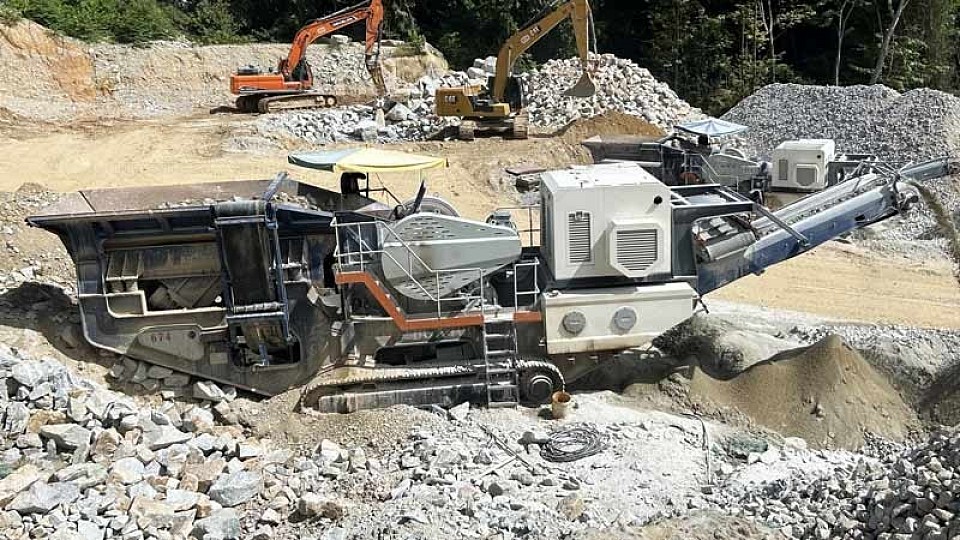
Andamine sand and aggregate crusher plant
How Aggregate Crushing and Screening Work Together in Your Plant
When we talk about building roads or making concrete, we need good aggregate. This is where aggregate crushing and screening come in. They turn big rocks into usable materials. We will show how this works in a crusher screening plant.
What Is Aggregate Crushing and Why It Matters
Aggregate crushing breaks down large rocks into smaller pieces. This step makes raw material ready for construction use. A strong aggregate crusher plant does this job well. It uses machines like jaw crushers or cone crushers. These tools apply force to split the rock apart. The result is gravel, sand, or crushed stone. This process keeps projects moving without delays.
The Role of Screening in Sorting Crushed Materials
Screening comes after crushing in the process. It sorts the crushed rock by size. A crusher screening plant has vibrating screens for this task. These screens have different mesh sizes. Small particles fall through. Larger ones stay on top. This step ensures each batch meets project specs. Without it, you might mix wrong sizes. That could weaken your final product.
How a Crusher Screening Plant Fits Into Your Operation
A crusher screening plant combines both steps in one system. It saves space and time on your site. You feed in boulders, and the plant spits out sorted aggregate. This setup works for small quarries or big mines. It also reduces the need for extra equipment. The plant runs smoothly if you maintain it. This helps you meet deadlines without extra stress.
Key Factors to Consider When Choosing Your Setup
You should think about the rock type first. Harder rocks need stronger crushers. Next, look at the output size you need. This decides the screen mesh and crusher type. Also, check the plant’s mobility. Some units are fixed, others move with tracks. A good aggregate crusher plant balances power and efficiency. It should also fit your budget and space limits.
Tips for Keeping Your Crushing and Screening System Running
Routine checks keep your plant working. Look at wear parts like jaws or screen panels. Replace them before they break. Clean the system often to avoid clogs. Train your team to spot early issues. This stops big failures that cost time. A well-maintained crusher screening plant lasts years. It also gives consistent results for your customers.
Why This Process Is Essential for Quality Construction
Good aggregate means strong buildings and roads. Crushing and screening make sure the material is clean and sized right. This cuts down on waste at job sites. It also helps you pass quality tests. An efficient aggregate crusher plant supports this goal. It turns waste rock into value. That is why this process matters for any serious project.
Wrapping Up: Making the Most of Your Crushing and Screening
We have covered how aggregate crushing and screening work. You now see their role in a crusher screening plant. This knowledge helps you plan better. Choose the right equipment, maintain it, and focus on output. Doing so will give you reliable aggregate. It will support your projects and satisfy your clients.
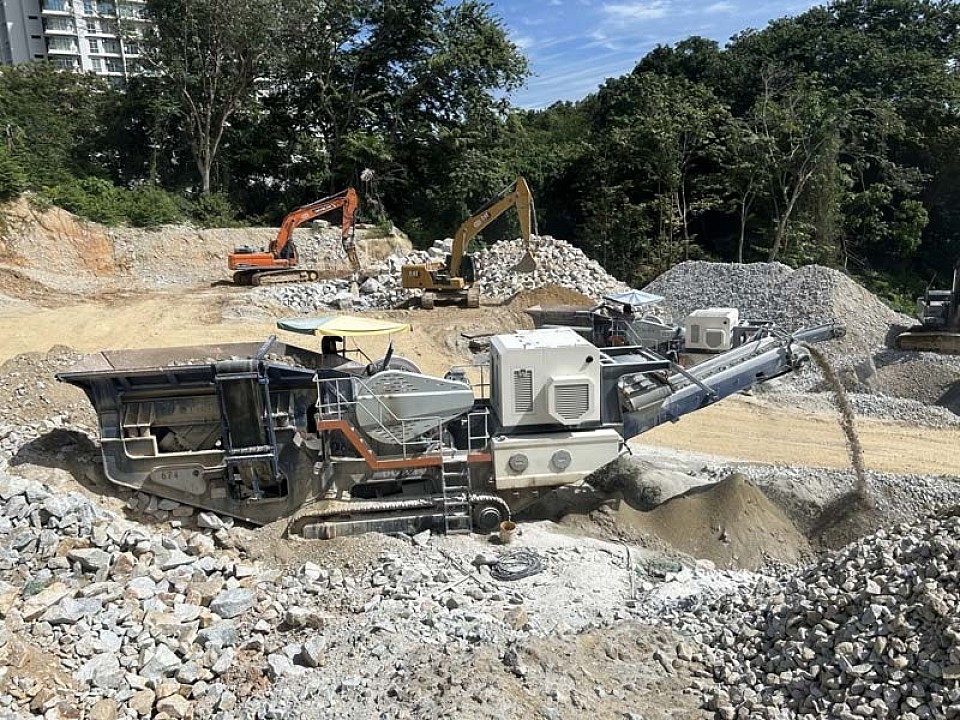
Andamine efficient jaw crusher machine
Types of Jaw Crusher: Choosing the Right Model for Your Crushing Needs
A jaw crusher is often the first machine in a crushing line. It breaks large rocks into smaller sizes for further processing. Knowing the types of jaw crusher helps you pick the best fit for your site. In this blog, we explain the main kinds clearly. We also cover track jaw crusher models and what to consider before buying.
Let’s look at the differences and uses.
Why Understanding Types of Jaw Crusher Matters
First, different jaw crushers suit different materials and jobs. Hard rock needs a tougher design. Soft stone may work with lighter units. Choosing wrong adds wear and lowers output.
Second, matching type to capacity saves fuel and labor. You avoid overloading or underusing the machine. Also, site conditions matter. Some crushers fit fixed plants; others suit mobile work.
Knowing the types of jaw crusher lets you balance price and performance. This protects your investment and keeps production steady.
1. Single-Toggle Jaw Crusher
This type uses one toggle plate to move the jaw. It has a simpler design and lighter weight. Single-toggle crushers offer high capacity with less power.
They work well for hard, abrasive stone in mines and quarries. Maintenance is easier since there are fewer moving parts. Yet, they may wear faster under very tough feed.
2. Double-Toggle Jaw Crusher
Double-toggle crushers use two toggle plates. They apply force more evenly across the jaw. This design lasts longer under heavy loads.
They suit primary crushing of large, hard rocks. The crushing motion is smoother, so vibration is lower. But they cost more and need more space than single-toggle models.
3. Blake Jaw Crusher
Blake crushers have a movable jaw hinged at the top. The jaw pivots to crush material against a fixed plate. This classic design is still common today.
It handles medium to hard stone efficiently. Blake style crushers come in various sizes. Their simplicity makes parts easy to find and replace.
4. Dodge Jaw Crusher
Dodge crushers hinge the jaw at the bottom. The jaw moves upward to crush material. This creates finer reduction but smaller capacity.
They suit laboratory work or small-scale crushing. Large rocks may jam this design. So, they are rare in heavy industrial use today.
5. Overhead-Eccentric Jaw Crusher
This modern type places the eccentric shaft above the jaw. It gives a stronger, more consistent crushing stroke. Overhead-eccentric designs reduce wear and improve output.
Most current jaw crushers use this layout. They offer better mechanical advantage and simpler adjustment. This makes them popular in quarries and recycling.
6. Track Jaw Crusher for Mobility
A track jaw crusher mounts on steel tracks instead of wheels. It moves over rough, soft, or steep ground. This is useful in mines, forests, and remote construction sites.
It sets up fast without site grading. You can crush where the material lies, cutting haulage. Track models cost more but add reach and flexibility.
7. Mobile Jaw Crusher on Wheels
Wheel-mounted jaw crushers are easier to move on roads. They suit projects that shift between paved sites. These units are lighter than track versions.
They need good access roads and level ground. If you work mainly on highways or urban projects, this type works well.
8. Hydraulic Jaw Crusher
Hydraulic models use cylinders to adjust the jaw gap. You can change settings without manual tools. This speeds up maintenance and reduces downtime.
They also protect the crusher from uncrushable objects. The system reverses the jaw to clear jams. This design adds cost but improves safety and uptime.
9. Mini Jaw Crusher for Small Jobs
Mini jaw crushers crush small batches of stone or concrete. They fit labs, small quarries, and recycling yards. Their capacity is low, but they cost less.
These units are easy to transport and run on modest power. They help test material or handle minor jobs without big investment.
How to Choose Among the Types of Jaw Crusher
First, check your material hardness and size. Hard rock needs strong designs like double-toggle or overhead-eccentric. Soft stone may work with single-toggle.
Next, think about capacity. Large quarries need high-output models. Small sites can use mini or mobile units. Also, decide if you need mobility. A track jaw crusher serves rough terrain; wheeled ones serve roads.
Then, review maintenance needs. Simple designs are easier to service locally. Hydraulic models add convenience but cost more.
Finally, ask for specs and test results. See how each type handles your feed. This helps you avoid poor performance and extra wear.
Conclusion
The types of jaw crusher cover a range of designs for different tasks. Single-toggle and double-toggle models differ in force and durability. Blake and Dodge styles are less common today. Overhead-eccentric types are widely used for good reason.
If you need mobility, a track jaw crusher or wheel-mounted unit adds reach. Hydraulic versions improve safety and uptime. By matching type to material, capacity, and site, you get reliable crushing and better value.
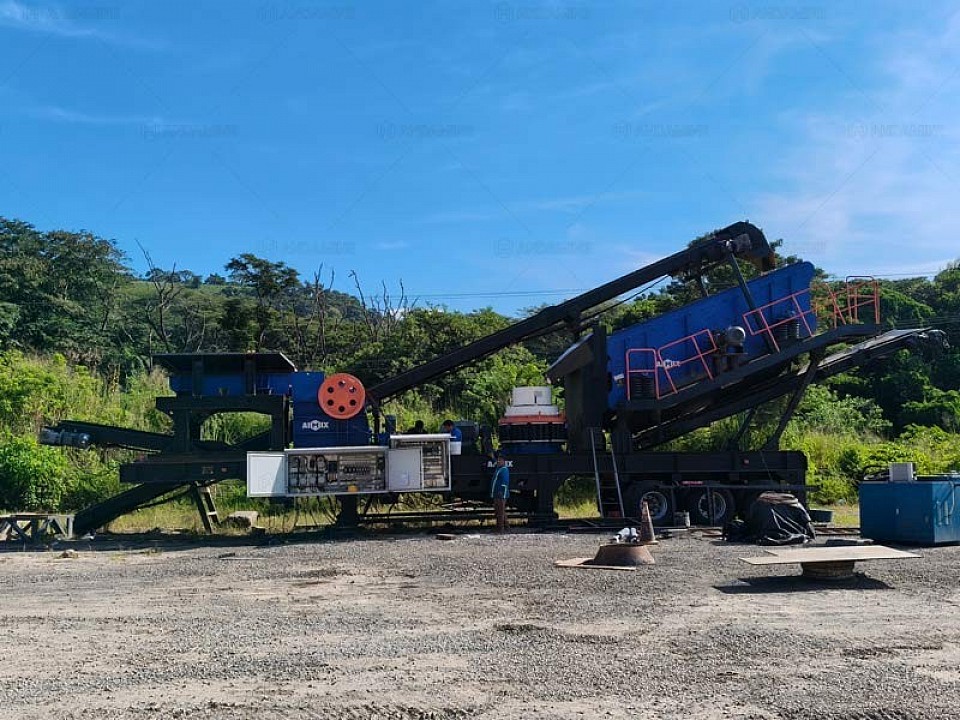
Portable Cone Crusher: Mobility and Precision for On-Site Crushing
A portable cone crusher brings crushing power directly to the material source. It is ideal for jobs where moving stone is costly or impractical. This blog explains how it works and why it suits many projects. We also cover tracked cone crusher options and portable cone crusher for sale choices. These points help customers pick the right unit for their needs.
Let’s look at the benefits and key details.
Why Choose a Portable Cone Crusher?
First, a portable cone crusher is easy to move between sites. You can set it up quickly and start crushing. This saves time and transport cost.
Next, it refines material after a primary crusher. It produces well-shaped aggregate for concrete or asphalt. This improves quality and reduces waste.
Also, it works well in quarries, mines, and demolition projects. If you need mobility and precision, this machine fits the task.
How a Portable Cone Crusher Works
This machine uses a cone-shaped mantle inside a bowl. Material enters the top and gets squeezed as it moves down. The result is smaller, uniform pieces.
Most portable units have a feeder, screen, and conveyor built in. This gives a complete crushing and sorting line. You get sorted product without extra handling.
Some models are wheel-mounted for road travel. Others are tracked cone crusher units for rough terrain. Both types offer flexibility on site.
Benefits of Tracked Cone Crusher Models
A tracked cone crusher moves on steel tracks. It reaches steep, muddy, or uneven ground. This is useful in remote mines or forest quarries.
Tracks spread weight, so the machine rarely sinks. It also stabilizes during crushing, improving safety and output. You avoid building access roads to fixed plants.
With tracks, you can relocate as the project advances. This keeps crushing close to the extraction point. It cuts haulage and boosts efficiency.
Finding Portable Cone Crusher for Sale
If you plan to buy, search for portable cone crusher for sale from trusted suppliers. Check capacity, cone size, and power type. Make sure it matches your material and output goals.
Ask for itemized quotes. The price should include crusher, feeder, screen, and conveyors. Also, confirm transport, setup, and training support.
Used units may lower cost but need full inspection. Look at wear on mantle, bushings, and liners. Request maintenance records before purchase.
Matching Machine to Material and Task
Hard rock like granite needs a strong cone crusher with durable liners. Softer stone or recycled concrete may work with lighter settings.
Check feed size and moisture. Too wet or sticky material can clog the chamber. Adjusting closed-side setting controls final product size.
Also, think about production volume. A small unit may suit a demolition job. A large one fits high-volume quarry work.
Operating and Maintenance Tips
Inspect the cone and liners often. Replace them before they crack or thin. This keeps output consistent and avoids damage to the machine.
Lubricate moving parts as the maker recommends. Use climate-appropriate oils in cold or hot regions. Clean dust from radiators and intakes regularly.
Train operators in safe startup and shutdown. Show them how to clear jams without risk. Skilled crews reduce downtime.
Dust, Noise, and Environmental Control
Dust from crushing can breach health and safety rules. Fit water sprays or misting systems. Enclose transfer points with skirts and seals.
Check noise near workers and communities. Add barriers or limit hours if needed. Staying within limits avoids fines and keeps good relations.
Cost Factors to Consider
Initial portable cone crusher for sale price is just the start. Add transport, setup, and power use. Also, plan for wear parts and labor.
A tracked cone crusher costs more than wheeled units but offers more reach. Balance mobility needs against budget.
Running cost matters too. Efficient motors and easy maintenance lower fuel and repair bills. This improves long-term value.
Safety First in Portable Crushing
Secure all moving parts with guards. Mark danger zones clearly. Train crews in emergency stops and slope safety.
Check stability before starting. Keep access paths clear of debris. Safe operation protects workers and avoids costly accidents.
Conclusion
A portable cone crusher delivers mobility and precise crushing for many jobs. It fits quarries, mines, and demolition sites well. Tracked cone crusher models reach tough terrain, while wheeled ones move fast on roads.
Searching portable cone crusher for sale with clear specs helps you choose wisely. Match capacity to need, inspect condition, and plan maintenance. With these steps, your crusher will run reliably and support steady production.
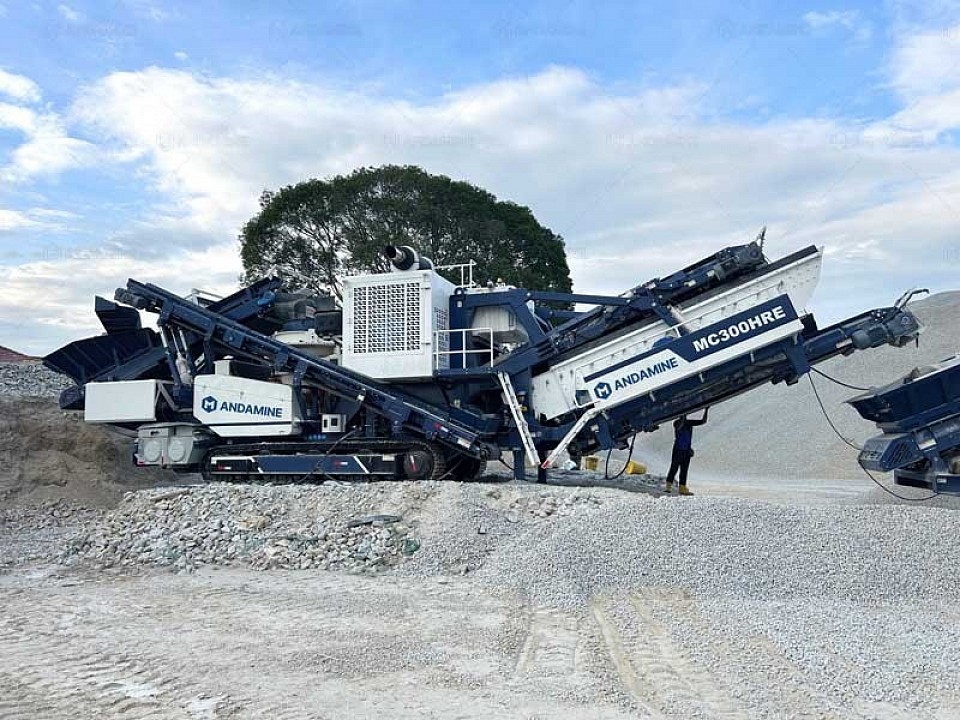
mobile crawler stone crusher plant working in chile
Mobile Stone Crusher: A Practical Solution for On-Site Crushing
The mobile stone crusher is changing how we handle raw materials. It offers flexibility that fixed plants cannot match. This machine works well in many job sites.
What Is a Mobile Stone Crusher?
A mobile stone crusher breaks rocks into usable sizes right where needed. It combines crushing power with mobility. This setup suits quarries, construction zones, and road projects.
This equipment includes a stone crusher machine plant mounted on wheels or tracks. Some models use a mobile crawler crusher base for rough terrain. Both designs aim for easy relocation without disassembly.
Key Benefits for Your Projects
One big advantage is saving transport costs. You crush material on-site instead of moving it elsewhere. This cuts fuel expenses and reduces truck wear.
Another benefit is faster setup time. Operators just drive the unit to the site and start working. There is no need for lengthy foundation work. This saves days on project timelines.
Mobile units also adjust to different tasks. Swap out parts or screens to produce various aggregate sizes. This makes them versatile across multiple jobs.
How Does It Compare to Fixed Plants?
Fixed stone crusher machine plants stay in one place. They require heavy groundwork before starting operations. Moving them later involves high labor and cost.
In contrast, a mobile crawler crusher adapts quickly to new locations. You can relocate it within hours when needed. This agility supports urgent or shifting project demands.
Both systems offer reliable crushing performance. But mobility adds value when sites change often. Choose based on how stable your work zone will be.
Choosing the Right Mobile Crusher Model
First, assess your daily production needs. Smaller units suit tight budgets and limited space. Larger ones handle high volumes efficiently.
Next, consider terrain conditions at your sites. If ground is uneven, pick a mobile crawler crusher. Its tracked undercarriage provides stability and traction.
Also check maintenance requirements. Look for easy access to filters and belts. Simple upkeep keeps downtime low and costs predictable.
Real Applications in the Field
Many contractors now use mobile stone crushers for road repair. They crush old asphalt and concrete into reusable base material. This reduces waste and lowers material costs.
In mining, these machines process ore near extraction points. They feed directly into conveyors or stockpiles. This speeds up the supply chain for processing plants.
Even small builders benefit from rental options. They get professional crushing without buying equipment. This keeps capital free for other project needs.
Final Thoughts on Mobile Crushing
A mobile stone crusher brings real efficiency to modern worksites. It combines the strength of a stone crusher machine plant with portability. Whether using a wheeled unit or a mobile crawler crusher, you gain flexibility.
For businesses facing varied job sites, this tool simplifies logistics. It helps control costs while maintaining output quality. Consider adding one to your fleet for smarter operations.
Need help selecting the right model for your next project? Contact our team today. We provide clear advice based on your specific needs.
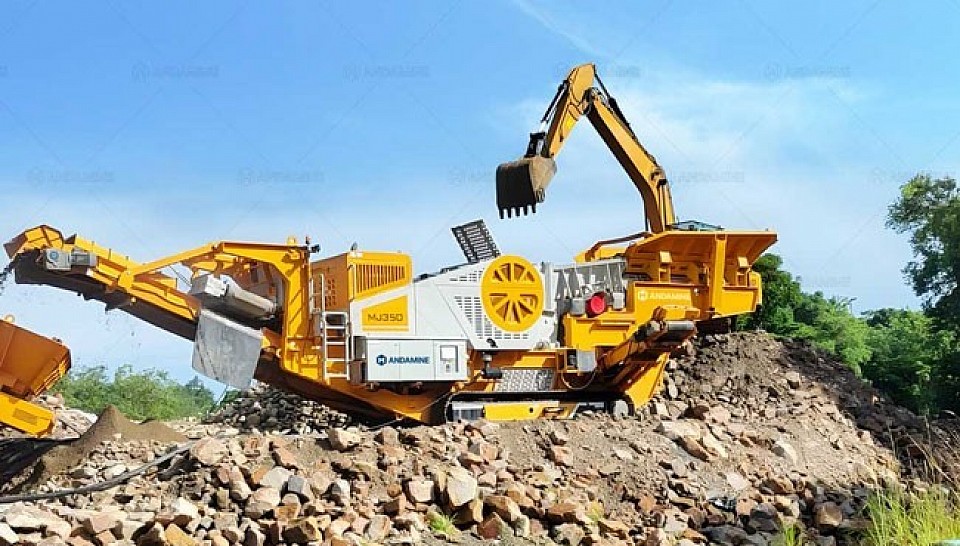
Mobile Track Jaw Crusher Plant for Green Mine Renovation.jpg
A Guide to Key Types of Jaw Crusher for Modern Operations
Understanding jaw crushers is crucial for aggregate production. Different types suit different tasks. Selecting the right one boosts your operation's efficiency. It also manages costs effectively. This guide explores primary types of jaw crusher. We will discuss their features and applications. This information helps you make a smart choice. Let's get started.
The Two Core Types of Jaw Crusher
Jaw crushers mainly use two different motion principles. The Blake crusher is the older, more common design. Its pivot point is at the top of the moving jaw. The swing jaw moves in an arc at the bottom. This creates a powerful squeezing action. It effectively handles larger, harder feed materials. It is a reliable choice for primary crushing stages.
Then, we have the overhead eccentric crusher. Its pivot point sits at the bottom. The eccentric shaft is above the moving jaw. This design makes the jaw move in an elliptical path. The motion provides both compression and a slight rubbing action. It often results in a more uniform product shape. It is excellent for secondary crushing duties.
Stationary vs. Track-Mounted: Choosing Your Configuration
Stationary jaw crushers are the classic workhorses. You install them on a solid concrete foundation. They are powerful and highly efficient for fixed locations. Quarries and large mining sites commonly use them. They process high volumes of material consistently. Their stationary nature means lower initial cost. Maintenance access is also typically easier.
The track jaw crusher is a mobile powerhouse. It integrates the crusher, feeder, and conveyor on one chassis. Diesel-hydraulic drives power the tracks. This allows the entire unit to move around a site. A track jaw crusher offers exceptional flexibility. You can move it closer to the excavation face. This dramatically reduces truck haulage distances. It is ideal for contract crushing and multi-site projects.
Key Considerations for Your Selection
Consider your material's characteristics first. Hardness, abrasiveness, and size matter greatly. Also, think about your required final product specifications. The desired output size and shape influence your choice. Production capacity needs are equally important. How many tons per hour must you process?
Furthermore, evaluate your site logistics. A fixed plant needs a permanent location. A track jaw crusher provides superior mobility. Your budget and project duration are also key. Track units often have a higher initial price. However, they save money on transport and setup. For short-term projects, they are frequently the best solution.
Conclusion: Matching the Machine to Your Need
Understanding the different types of jaw crusher is essential. Each type serves a specific purpose in material reduction. The Blake and overhead eccentric designs form the core. Your choice between stationary and mobile setups depends on your site. The track jaw crusher brings crushing directly to the material pile. It maximizes on-site efficiency for many operators.
Analyze your feed material and production goals carefully. Consider your operational flexibility and budget constraints. The right jaw crusher will then become a reliable partner. It will deliver consistent performance for years to come. Invest time in this selection process. It will pay dividends in productivity and cost management for your business.
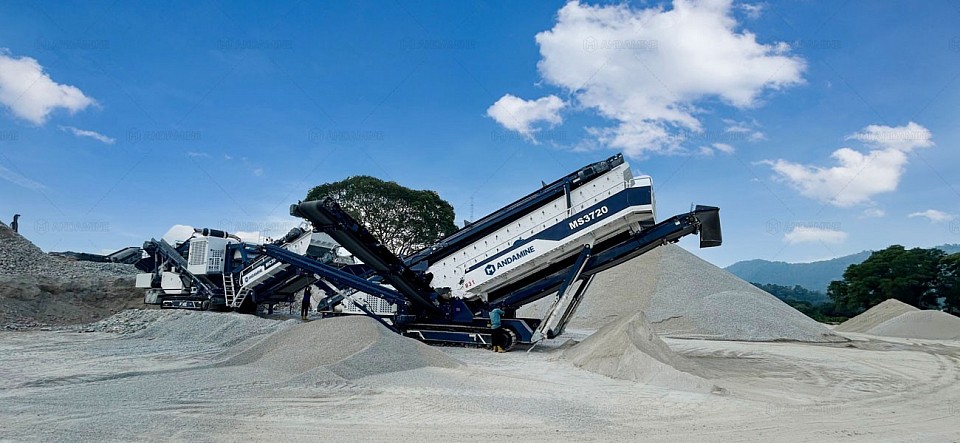
Andamine mobile aggregate crushing and screen equipment
Mastering Sand and Aggregate Production: A Guide to Quality and Efficiency
The global construction industry relies heavily on a steady supply of high-quality materials. Sand and aggregate production forms the backbone of every infrastructure project. Without these materials, we cannot build stable roads, bridges, or modern skyscrapers. Therefore, optimizing your production process is essential for staying competitive in the current market.
The Essential Role of High-Quality Aggregates
Aggregates provide the necessary volume and strength for concrete and asphalt mixtures. Quality control starts at the very beginning of the extraction process. You must ensure that your raw materials are clean and free from organic contaminants. This attention to detail prevents structural issues in the final construction stages.
Modern projects now demand very specific particle shapes and sizes. Cubical aggregates are preferred because they interlock better within concrete mixes. This shape improves the overall durability of the finished structure. Achieving this level of precision requires the use of an advanced aggregate crusher.
Choosing the Right Aggregate Crusher for Your Site
Selecting the correct equipment is the most important decision for any quarry operator. An aggregate crusher must be able to handle the hardness of your specific rock. Harder stones like granite require different crushing forces than softer limestone. You should match the machine's capacity to your desired daily output.
Primary crushers take the largest rocks and break them into manageable sizes. Secondary and tertiary stages then refine the material into specific grades. Using multiple stages allows you to produce a wider variety of products. This versatility helps you meet the needs of different customers and projects.
The Advantages of Using a Track Crusher
Mobility has become a significant factor in modern aggregate production. A track crusher allows you to move the plant closer to the rock face. This flexibility reduces the distance that hauling trucks must travel. Consequently, you save a significant amount of money on fuel and labor costs.
A track crusher is also very easy to set up on new sites. You do not need to build permanent concrete foundations for the machine. The unit moves on its own tracks just like a piece of heavy earthmoving equipment. This rapid deployment allows you to start production almost immediately after arriving.
Innovations in Sand Manufacturing Processes
Natural river sand is becoming increasingly scarce in many regions around the world. As a result, manufactured sand (M-Sand) has become a popular and sustainable alternative. This process involves crushing hard stones into very fine particles. The result is a consistent product that often outperforms natural sand in strength.
Vertical shaft impactors are commonly used for this specific task. These machines use stone-on-stone crushing to create a high-quality finished product. The process also helps in removing weak edges from the aggregate particles. This refinement ensures that your sand meets the highest engineering standards.
Optimizing Production Efficiency and Output
To maximize your profits, you must focus on reducing the cost per ton. Regularly monitoring your equipment performance helps you identify bottlenecks in the system. Ensure that your feed rate remains consistent throughout the entire working day. An uneven feed can cause unnecessary wear and lower the quality of the product.
The Importance of Effective Screening
Screening is just as important as the crushing process itself. You must separate the crushed material into different size categories accurately. High-frequency screens are excellent for handling fine sand and small aggregates. This precision ensures that each product grade meets the exact customer specifications.
Furthermore, proper screening prevents the recirculating load from becoming too high. If the screens are inefficient, the crusher must work harder than necessary. This extra work increases your energy consumption and accelerates part wear. Investing in high-quality screen media will pay for itself through better efficiency.
Maintenance Strategies for Long-Term Reliability
Aggregate production is a demanding process that puts immense stress on machinery. You must implement a proactive maintenance plan to avoid expensive unscheduled downtime. Inspect all wear parts daily to look for signs of excessive thinning or cracking. Replacing a liner early is much cheaper than repairing a broken crusher frame.
Lubrication is the most vital part of your daily maintenance routine. Use only the lubricants recommended by the equipment manufacturer for each specific part. Check the temperature of the bearings during operation to identify potential issues early. These small steps will significantly extend the life of your crushing fleet.
Environmental Considerations in Aggregate Sites
Modern quarries must operate with a high level of environmental responsibility. Dust suppression systems are now a standard requirement for most production sites. Using water sprays or dust collectors helps protect the health of your workers. It also ensures that you remain in compliance with local air quality regulations.
Water management is another critical area for sand production facilities. Many plants now use thickeners and filter presses to recycle wash water. This technology reduces your total water consumption and eliminates the need for large settling ponds. Sustainable practices often lead to better relationships with the local community.
Conclusion: Future-Proofing Your Production Line
Investing in the right technology is the key to long-term success in sand and aggregate production. Whether you choose a stationary plant or a mobile track crusher, prioritize durability. High-quality equipment ensures that you can deliver consistent products to your customers.
Take the time to analyze your geological conditions and project goals thoroughly. Partner with a supplier that offers excellent technical support and spare parts availability. A well-designed production line serves as a powerful asset for your business growth. Your commitment to quality will build a strong foundation for the future.