
Crushing Solution Sharing
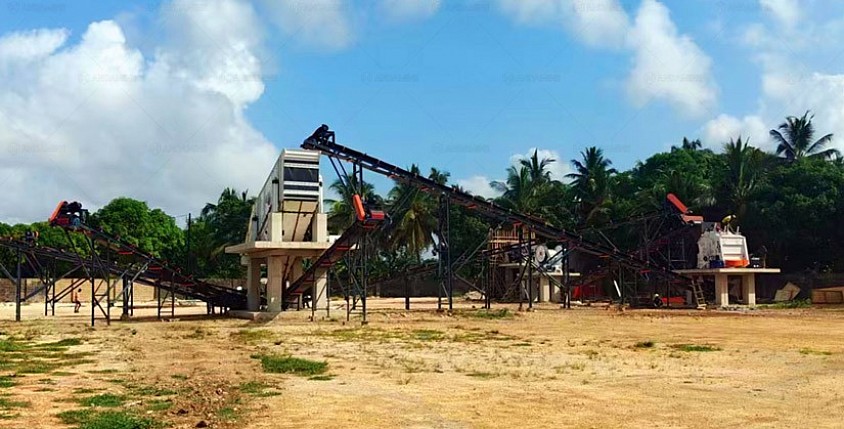
Gravel Crusher Plant For Tanzania Concrete Batching Business
High-Efficiency Gravel Crushing Methodologies for Regional Infrastructure Development
Gravel remains a highly valuable material for infrastructure and civil engineering works globally. Producing high-quality aggregate requires a robust processing strategy on the job site. Consequently, contractors must analyze rock hardness and operational workflows carefully before purchasing machinery. This technical guide outlines the essential factors for setting up a productive operation.
Critical Engineering Differences Between Gravel and Rock Formations
Gravel presents unique mechanical challenges compared to standard blasted quarry stones. For example, river gravel deposits usually feature highly rounded surfaces. These round stones tend to slip inside standard crushing chambers instead of fracturing. Therefore, your processing equipment must apply specific forces to break these materials.
Additionally, gravel deposits often contain highly varied mineral compositions in a single batch. Some stones are exceptionally soft, while others contain heavy amounts of abrasive quartz. Thus, your equipment setup must adapt to these changing conditions. Matching your machinery to these material variations prevents costly operational blockages.
Addressing the High Silica Content of Natural Gravel
Natural gravel frequently contains high percentages of silica and other abrasive elements. These hard minerals wear down mechanical steel components much faster than limestone or marble. Consequently, standard impact blow bars can degrade within a few hours of operation.
To counter this rapid wear, operators must choose compressive crushing methods for primary reduction. Compressive force fractures tough stone along natural cleavage lines without causing high mechanical wear. Thus, selecting correct wear liners remains critical for your daily operating costs.
Selecting Your Primary and Secondary Gravel Crusher Units
Choosing the correct reduction machinery depends heavily on your daily volumetric targets. Most processing setups utilize a multi-stage layout to achieve precise final sizes. Let us analyze the primary machine choices for this demanding job.
For the first reduction stage, a heavy-duty jaw crusher is highly effective. This machine applies immense compressive force between two thick manganese steel plates. Specifically, buying a dedicated gravel crusher ensures your system handles tough quartz slabs without stalling. This robust unit reduces large river boulders into manageable mid-sized stones.
In the secondary stage, operators typically deploy a cone-style crushing unit. Cone systems compress the stones between a spinning mantle and a fixed bowl liner. Consequently, this method consumes less power per ton compared to impact-based systems. It also produces highly consistent, cubical aggregate for concrete mixes.
Optimizing the Layout of Your Aggregate Crushing Plant
An efficient layout connects your feeding, crushing, and screening systems into a single continuous loop. Any breakdown in this connection can halt your entire production schedule instantly. Therefore, designing a well-balanced crushing plant layout remains vital for long-term project success.
First, you should position a vibrating grizzly feeder at the very beginning of the line. This feeder removes fine dirt and sand before they enter the primary chamber. Consequently, only large, clean rocks reach the main jaw plates. This sorting step reduces unnecessary mechanical wear and saves fuel.
Second, connect your secondary crusher to a high-capacity vibrating screening deck. This deck separates the finished aggregates and routes oversized materials back for re-crushing. This closed-circuit layout guarantees that all final products meet strict engineering dimensions. Ultimately, consistent aggregate sizes keep your civil clients satisfied.
Preventive Maintenance Guidelines for Demanding Gravel Processing
Abrasive aggregate puts extreme physical stress on every moving component of your equipment. Therefore, establishing a strict daily maintenance checklist protects your capital investment from premature failure. Let us review the most critical upkeep protocols for your processing fleet.
First, clean all conveyor belts and check their tension every single morning. Slapping belts can slip under heavy aggregate loads and cause motor overheating. Second, inspect the primary wear plates and chamber liners for deep physical grooves. Replace these parts before they wear down to the main frame.
Additionally, grease the main eccentric shaft and support bearings before starting your shift. Proper lubrication reduces high friction and prevents expensive bearing seizures. Consistent preventative habits keep your equipment running smoothly and lower your total operating costs.
Environmental Compliance and Site Safety Protocols
Industrial rock processing produces significant noise and airborne dust on the job site. Consequently, operators must implement active safety measures to protect workers and nearby communities. Managing these environmental impacts also prevents costly regulatory penalties from local agencies.
Install high-pressure water spray nozzles at the main discharge conveyor belts. These nozzles bind fine silica particles before they can float into the air. Additionally, ensure that all ground crew members wear proper dust masks and ear protection. Safe work sites protect your team and maintain high productivity.
Conclusion and Strategic Sourcing Recommendations
In summary, designing a successful gravel processing line requires a thorough analysis of stone hardness. Selecting a durable gravel crusher protects your project timeline from unexpected mechanical breakdowns. Furthermore, a well-planned crushing plant ensures high-quality aggregate production on every single shift.
Always partner with reputable machinery suppliers who maintain local spare parts inventories. Having replacement parts nearby prevents weeks of costly shipping delays if a component fails. This strategic procurement approach secures your business's profit margins over many years of operation.
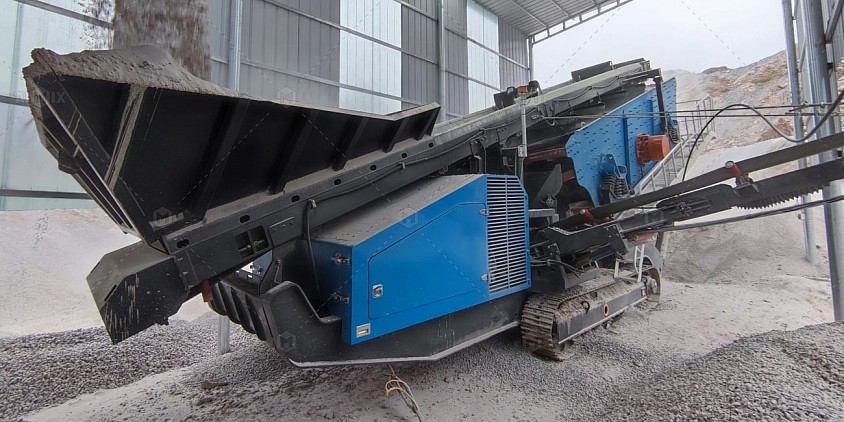
150t moile crawler concrete crusher
Technical Optimization of Crawler Crusher Integration in Aggregate Production
Modern construction operations demand efficient and highly mobile material processing systems on the job site. Consequently, heavy project managers require reliable equipment to process aggregate and demolition waste. A crawler crusher provides the perfect solution for dynamic on-site reduction challenges. This detailed guide analyzes the technical advantages of track-mounted crushing systems. Furthermore, we will explain how to maximize your plant efficiency.
The Engineering Principles of Track-Mounted Mobility
Mobility plays a crucial role in modern quarrying and recycling operations. Traditional stationary systems require complex transportation infrastructure to move raw materials to the machine. In contrast, tracked systems move directly to the raw material face. This capability reduces haulage costs and simplifies site logistics significantly.
Hydraulic Track Systems and Off-Road Maneuverability
Heavy-duty tracks allow the machine to navigate steep slopes and muddy terrains. Specifically, dual hydraulic motors drive the tracks independently for precise control. This configuration ensures excellent stability on loose soils and uneven quarry floors. Therefore, operators can relocate the machinery easily without using external towing equipment.
Integrated Power Units and Fuel Economy
A highly efficient diesel engine powers both the tracks and the crushing chamber. Modern designs utilize advanced direct-drive systems to transfer power directly to the rotor or jaw. Consequently, this engineering approach reduces transmission energy loss. Additionally, intelligent engine controllers adjust fuel consumption based on the material load.
Seamless Integration within a Crusher Machine Plant
A single machine rarely meets all aggregate specification requirements. Therefore, operators must coordinate multiple units to produce the desired final products. Integrating mobile units into a larger crusher machine plant requires careful planning. This section explores how to optimize multi-stage processing setups.
Primary and Secondary Processing Synchronization
A complete processing circuit often begins with a heavy-duty jaw unit. The primary machine reduces raw boulders to a manageable size. Afterward, conveyor belts transfer the material to a secondary cone or impact unit. This continuous flow prevents bottlenecks and ensures uniform aggregate shapes.
Closed-Loop Screening Systems for Precise Sizing
Closed-loop systems return oversized material to the crusher for reprocessing. This method guarantees that all output meets strict size specifications. Furthermore, integrated vibrating screens separate different aggregate grades efficiently. This automated sorting increases the value of your final product.
Key Selection Criteria for Equipment Procurement
Procuring heavy machinery represents a major capital investment for any construction firm. Thus, buyers must perform a thorough technical analysis before signing a contract. You should look for machines that offer long-term reliability and low maintenance requirements. Let us examine the most critical factors to evaluate.
Volumetric Capacity and Feed Opening Dimensions
Ensure the feed opening can handle the largest stones in your quarry. If the opening is too small, large rocks will block the intake. Additionally, match the machine's hourly output with your project timeline. A balanced capacity prevents both equipment strain and idling periods.
Spare Parts Availability and Manufacturer Support
Even the best machinery requires replacement parts over its operational lifespan. Therefore, select a supplier with a strong local service network. Quick access to spare parts minimizes expensive site downtime. Additionally, verify if the manufacturer offers comprehensive operator training packages.
Standard Maintenance Protocols for Prolonged Performance
Aggressive abrasive wear is a natural part of any crushing operation. Therefore, implementing a strict preventive maintenance routine is absolutely vital. Daily inspections protect your capital investment and maintain optimal throughput. Let us outline the essential maintenance steps for operators.
Lubrication of High-Stress Bearings and Joints
High-speed rotating parts generate extreme heat and friction during continuous operation. Consequently, operators must grease all main bearings and pivot points daily. Use the exact lubricant grade recommended by the equipment manufacturer. Proper lubrication prevents premature bearing failure and expensive repairs.
Daily Wear Member Inspections and Adjustments
Inspect the crushing plates and blow bars at the end of each work shift. Worn parts reduce crushing efficiency and increase fuel consumption. Therefore, adjust the discharge setting regularly to compensate for natural wear. Replace worn liners before they cause structural damage to the main frame.
Environmental and Operational Safety Compliance
Modern industrial operations must respect local environmental laws and safety guidelines. Mobile crushers often operate close to urban areas and public spaces. Therefore, managing dust and noise emissions is a critical operational requirement. Fortunately, modern designs include built-in features to mitigate these hazards.
Active Dust Suppression and Noise Barriers
High-pressure water spray bars suppress fine dust particles at discharge points. This system keeps the surrounding air clean and safe for workers. Additionally, acoustic engine enclosures reduce noise pollution significantly. These features help your site comply with local municipal regulations.
Safe Operating Practices for Construction Crews
Train all personnel to maintain a safe distance from active machinery. Never reach into the feed hopper while the engine is running. Furthermore, ensure all emergency stop buttons are clearly marked and fully functional. Regular safety drills prevent accidents and maintain a highly productive workplace.
Strategic Conclusion for Project Success
Investing in a mobile crawler crusher brings unmatched flexibility to aggregate production. This machinery lowers haulage costs, reduces material waste, and speeds up timelines. By choosing the right configuration, you secure a reliable source of high-quality aggregate. Assess your geological and logistical needs to make an informed choice today.
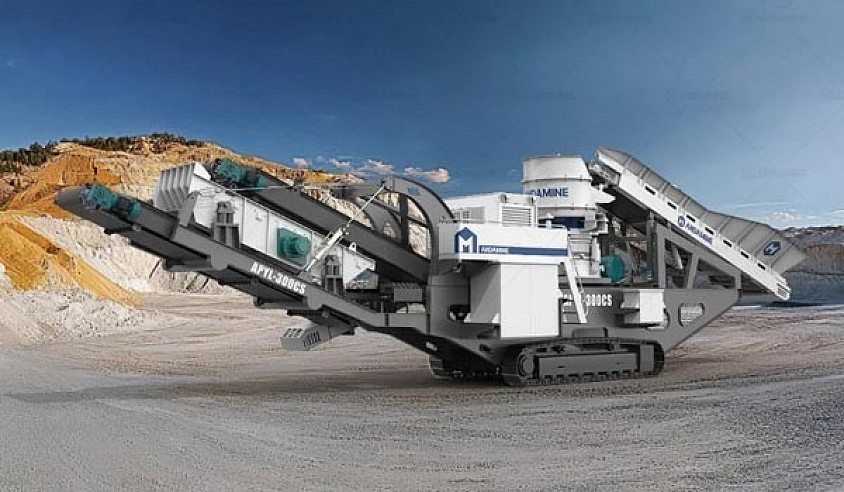
APYF crawler mobile cone crusher plant for Saudi Arabia
Strategic Infrastructure: A Guide to Crusher Plants in Saudi Arabia
The construction sector in Saudi Arabia is growing rapidly today. This growth drives a high demand for quality building materials. Consequently, many investors are looking for reliable crusher plants In Saudi Arabia. These plants turn raw stone into valuable aggregates for mega-projects.
Modern infrastructure requires high-quality sand and gravel. Choosing the right machinery ensures your project stays on schedule. Saudi Arabia has vast mineral resources ready for processing. Therefore, understanding the local market is vital for your success.
Selecting the Right Equipment for Saudi Projects
Your choice of machinery depends on the local rock types. Hard granite and limestone are common across the Kingdom. Because of this, you need heavy-duty machines that resist wear. Durable components reduce your long-term operational costs significantly.
Stationary plants are excellent for large, permanent quarry sites. These setups provide high output for long-term supply contracts. However, some projects require more flexibility and movement. You should evaluate your site duration before choosing a configuration.
The Advantages of a Portable Cone Crusher for Sale
Mobile technology is changing how contractors manage their sites. Many firms now seek a portable cone crusher for sale to increase efficiency. These units allow you to process material directly at the source. Thus, you save a lot of money on transportation costs.
A portable unit is very easy to move between different locations. This feature is perfect for road building and remote construction. Furthermore, these machines offer quick setup times upon arrival. You can start production within hours instead of weeks.
Optimizing Production for Local Climate Conditions
The climate in Saudi Arabia presents unique challenges for heavy machinery. High temperatures and dust can impact engine performance and cooling. Therefore, you must select plants with enhanced cooling systems. Proper filtration is also necessary to protect the internal parts.
Regular maintenance becomes even more important in desert environments. You should clean the air filters every single day. Additionally, check the lubrication levels to prevent overheating during peak hours. These simple steps will keep your plant running smoothly.
Meeting Quality Standards for Saudi Mega-Projects
Vision 2030 sets very high standards for all construction materials. Aggregates must meet strict size and shape requirements for concrete. A high-quality crusher ensures the final product is cubical and strong. This consistency helps you win large government contracts easily.
Testing your output regularly is a best practice for all operators. You should use precise screens to sort different aggregate sizes. Consequently, your clients will trust the quality of your supply. Reliable grading leads to better performance in asphalt and concrete.
Finding Reliable Partners in the Kingdom
Working with a local supplier provides many strategic benefits. Local partners understand the specific permits and regulations in Saudi Arabia. Furthermore, they can provide faster technical support and spare parts. This proximity minimizes your downtime during unexpected mechanical issues.
Always check the service history of your equipment dealer. Ask for references from other successful quarry owners in the region. Good after-sales service is just as important as the initial price. A strong partnership will help your business grow over time.
Conclusion: Investing in the Future of Construction
Building a successful crushing business requires careful planning and the right tools. Whether you need a stationary plant or a portable cone crusher for sale, quality matters most. High-performance Crusher Plants In Saudi Arabia are the backbone of new cities.
Take the time to analyze your specific production goals today. Consult with technical experts to design an efficient workflow. By doing so, you will secure a profitable future in the Saudi market. Your investment will support the historic transformation of the Kingdom.
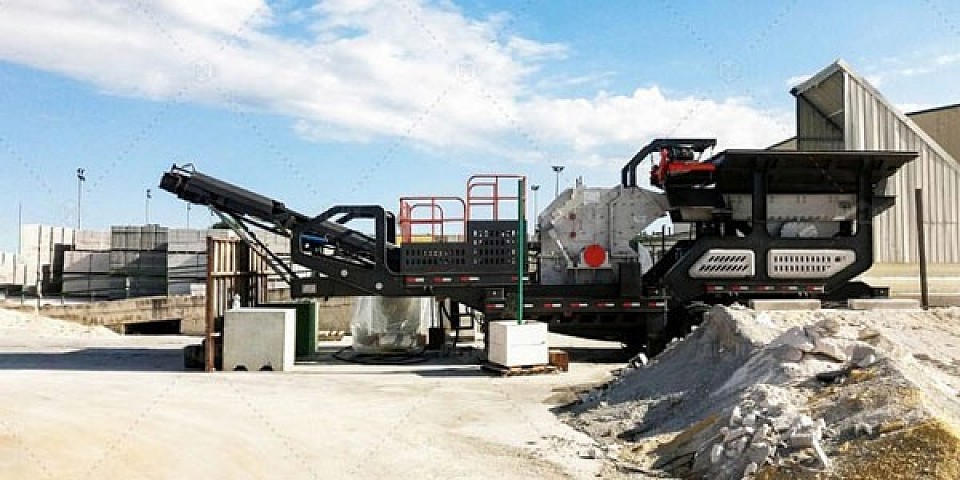
Andamine crushing and screen plant in Russia
Unlocking Russia's Mineral Wealth: A Look at Modern Crushing and Screening Plants
Russia possesses vast mineral resources. The country's economy relies heavily on them. Efficient processing is crucial for this sector. Modern crushing and screening plants are the key. They transform raw materials into valuable products. This process supports many industries. Therefore, a reliable crushing plant in Russia is a major asset. It drives development in construction and mining. This article explores their importance and function.
The Role of Crushing and Screening in Russian Industry
These plants are essential for resource processing. They handle materials like granite and iron ore. First, large rocks undergo primary crushing. Machines like jaw crushers perform this task. Then, materials move to secondary crushing. Cone or impact crushers are often used here. The goal is to achieve the required size. Next, the screening process begins. Vibrating screens separate particles by size. This step ensures product uniformity. Proper sizing meets specific project demands. Consequently, quality and efficiency improve greatly. These systems form the industry's backbone.
Key Considerations for a Crushing Plant in Russia
Operating in Russia presents unique challenges. The climate is a primary concern. Harsh winters affect equipment performance. Plants need robust design and insulation. Logistics also influence site selection. Remote locations require careful planning. Transport for raw materials and finished goods is vital. Furthermore, local regulations must be followed. Environmental standards are increasingly important. Dust and noise control systems are necessary. Reliable local service support is also critical. It ensures minimal operational downtime. These factors determine long-term success.
Technological Advancements and Operational Efficiency
Modern plants offer significant improvements. Automation is a major trend. Centralized control systems monitor operations. They adjust settings for optimal performance. This technology boosts productivity and safety. Energy efficiency is another focus. New crusher designs consume less power. They also produce less waste heat. Moreover, modular crushing and screening plant designs are gaining popularity. They allow for faster installation and relocation. This flexibility is valuable for changing project needs. Telematics provide real-time equipment data. Operators can then make informed decisions. These advancements lower operating costs.
The Path to a Successful Project
Choosing the right setup requires careful thought. First, analyze the raw material characteristics. Hardness and abrasiveness influence machine choice. Then, define the required final products. Output sizes and capacities guide the plant layout. Partnering with an experienced supplier is wise. They understand local conditions and rules. A good partner provides quality equipment. They also offer training and spare parts. Regular maintenance extends equipment life. It also prevents unexpected breakdowns. Ultimately, thorough planning creates a solid foundation. It leads to a profitable and sustainable operation.
In summary, crushing and screening plants are fundamental. They enable Russia to use its natural resources effectively. A well-planned crushing plant in Russia delivers reliability and value. It adapts to tough climates and remote sites. Modern technology further enhances its benefits. The result is high-quality materials for construction and more. This supports the continued growth of the national economy. Thoughtful investment in this technology promises a strong return. It is a cornerstone of industrial progress.
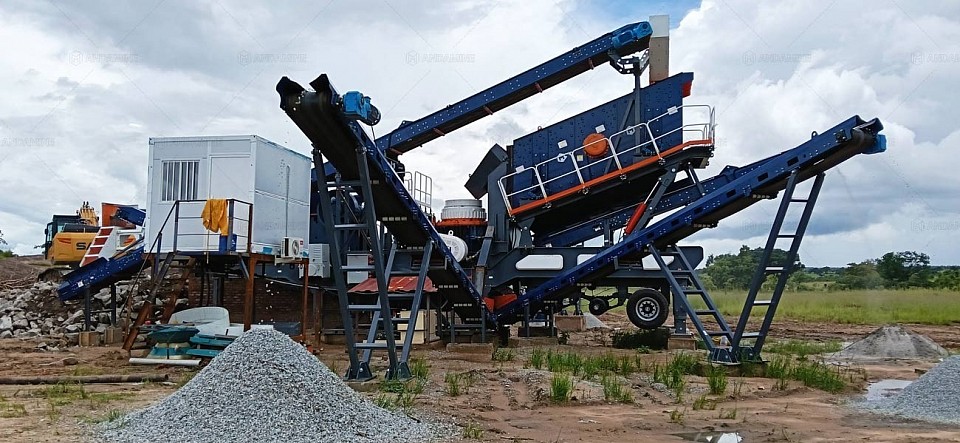
andamine mobile cone type stone crusher machine for sale
The Mobile Stone Crusher: Modern Flexibility for Construction Projects
The construction and mining industries constantly demand efficient solutions. Mobile stone crushers are now fundamental tools for these sectors. They provide unmatched flexibility and operational efficiency. This equipment crushes stones directly at project sites. This eliminates the need for material transport to a fixed plant. The result is significant time and cost savings. Projects can finish faster and under budget. This technology represents a major shift in material processing.
Key Advantages of Mobile Crushing Technology
Why choose a mobile crusher over a stationary one? The primary benefit is relocation ease. You can move the entire setup between sites quickly. This is ideal for projects with multiple locations. Setup time is dramatically reduced. Furthermore, these machines reduce transportation costs. You crush materials right where you excavate them. This also lowers fuel consumption and site traffic. Operational costs drop considerably. The environmental footprint of the project shrinks as well. On-site crushing cuts down on dust and noise from trucks.
Another key advantage is versatility. Many mobile plants can handle various materials. They process rock, concrete, and asphalt effectively. You can use one machine for different project phases. This improves the return on your equipment investment. Modern units are also highly automated. They often require fewer personnel to operate safely. This design focuses on both productivity and worker safety.
Inside the Machine: The Role of the Mobile Cone Crusher
Understanding the components is crucial. Many mobile plants feature a mobile cone crusher. This is the core component for refining material. The cone crusher excels at producing finer, high-quality aggregates. It uses a gyrating spindle inside a crushing chamber. The material gets compressed between the mantle and concave. This action creates precisely shaped end products. These products are essential for asphalt and concrete production.
Stone crusher manufacturers design these units for durability. They use high-grade steel for wear parts. This ensures long life in tough conditions. The cone crusher offers excellent reduction ratios. It turns large feed material into uniform chips efficiently. Advanced models feature hydraulic adjustment systems. Operators can change the output size quickly. Some even allow unblocking the chamber remotely. This minimizes downtime and keeps the project moving.
Choosing the Right Partner for Your Equipment
Selecting a reliable machine is a critical decision. You must partner with reputable stone crusher manufacturers. Look for companies with a strong industry track record. They should offer robust after-sales support. Service and spare parts availability are non-negotiable. Consider the machine's specifications carefully. Match its capacity and output size to your project needs. Evaluate the fuel efficiency of different models. Also, consider the ease of maintenance access. A well-designed machine simplifies daily checks and repairs.
Do not forget to test the equipment if possible. A demonstration reveals its real-world performance. Ask the manufacturer detailed questions about wear part costs. Understand the total cost of ownership, not just the price. The right partner will help you optimize your operations. They will provide the right mobile cone crusher for your specific material.
Conclusion: A Smart Investment for Progress
In summary, mobile stone crushers are powerful assets. They deliver clear logistical and economic benefits. Their flexibility transforms how sites manage material. The integration of a mobile cone crusher ensures high-quality output. Partnering with trusted stone crusher manufacturers guarantees reliability. This technology is a practical step forward for the industry. It makes projects more adaptable, efficient, and sustainable. Consider it for your next venture requiring aggregate processing.
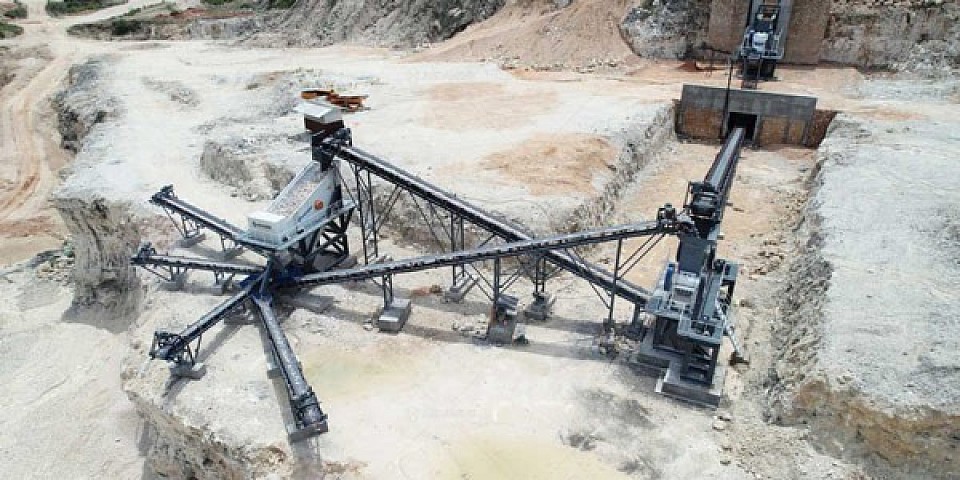
200t Stationary Stone Crushing Plant In Indonesia
Stone Crusher in Indonesia: Opportunities, Income Potential, and Buying Tips
Indonesia’s rapid development fuels demand for stone aggregates. Roads, buildings, and infrastructure need crushed stone. This creates steady opportunity for stone crusher in Indonesia. Many entrepreneurs explore this field for profit. Yet success needs clear facts about income, costs, and buying options. In this blog, we explain key points. We also cover stone crusher plant monthly income and jual stone crusher insights. Our aim is to help customers make smart choices.
Let’s look at why this business matters and how to plan well.
Why Stone Crusher in Indonesia Has Strong Demand
First, Indonesia’s growing cities need construction materials. Quarries and remote sites often lack ready-made aggregate. Transporting from afar raises cost and delays work. Local crushing solves this. It cuts haulage and speeds supply.
Also, government projects like toll roads and housing push demand. Mining and industrial zones need stone for roads and foundations. Even demolition sites recycle concrete using crushers. So, stone crusher in Indonesia finds work across sectors.
Types of Stone Crushers Used in Indonesia
Common types are jaw, impact, and cone crushers. Jaw crushers handle large, hard rock in primary crushing. Impact crushers shape softer stone and recycle debris. Cone crushers refine output for high-spec concrete.
Some operations use mobile units for flexibility. Others prefer fixed plants for large, steady output. Choice depends on material type, site access, and project length.
Estimating Stone Crusher Plant Monthly Income
Stone crusher plant monthly income varies by capacity and market. A small plant (50–100 tons/hour) in a busy area may earn IDR 200–500 million/month. A medium plant (150–300 tons/hour) can reach IDR 500–1 billion/month. Large plants may exceed that if demand is strong.
Income depends on selling price per ton, which changes by region and material quality. Operating costs—fuel, labor, wear parts, and maintenance—must be subtracted. So, realistic income planning needs local data and careful tracking.
Buying Options: Understanding Jual Stone Crusher
Jual stone crusher means “selling stone crusher” in Indonesian. Many suppliers offer new and used machines locally. Buyers can visit dealers, attend trade shows, or search online platforms.
When exploring jual stone crusher, check machine condition, age, and hours run. Ask for maintenance records. Compare prices from several sellers. Also, verify after-sales support and spare parts availability. A good deal balances price with reliability.
Factors That Affect Profitability
Location is vital. Plants near quarries or big projects have lower transport cost and steady orders. Material quality matters too. Clean, hard rock sells at better price.
Capacity must match market demand. Overcapacity leads to idle time and wasted fuel. Undercapacity means missed orders and lower stone crusher plant monthly income.
Regulations also shape profit. Permits for mining, environmental rules, and safety standards add cost but protect long-term operation.
Operating Costs to Watch
Running a stone crusher in Indonesia means ongoing expenses. Fuel or electricity is a major item. Labor cost depends on region and skill level. Wear parts like jaws, liners, and screens need regular replacement.
Maintenance prevents sudden stops. Breakdowns cut income fast. Also, transport of raw material and final product affects margin. Planning these costs helps set right selling prices.
Tips for Starting and Growing the Business
Start with a clear market survey. Know where demand is strong and who buys aggregates. Next, choose plant size and type to match that demand. Consider starting small, then scaling with growth.
When buying, inspect used machines closely. Test run if possible. Secure reliable suppliers for parts and service. Train operators in safe, efficient use.
Track daily output and expenses. This data shows real stone crusher plant monthly income and highlights waste. Adjust workflow to improve margin.
Sustainability and Community Relations
Dust and noise from crushing can upset neighbors and violate rules. Use water sprays, enclosures, and proper screening. Follow environmental laws to avoid fines.
Good community relations help you keep permits and workforce. It also supports steady operation of your stone crusher in Indonesia business.
Conclusion: A Practical Path With Local Insight
Stone crusher in Indonesia offers real business potential. Success comes from matching plant capacity to market, managing costs, and maintaining equipment. Stone crusher plant monthly income can be attractive but requires careful planning.
When exploring jual stone crusher, compare options and verify support. Understand operating costs and local demand. With the right approach, a stone crusher plant can provide steady earnings and contribute to Indonesia’s infrastructure growth.
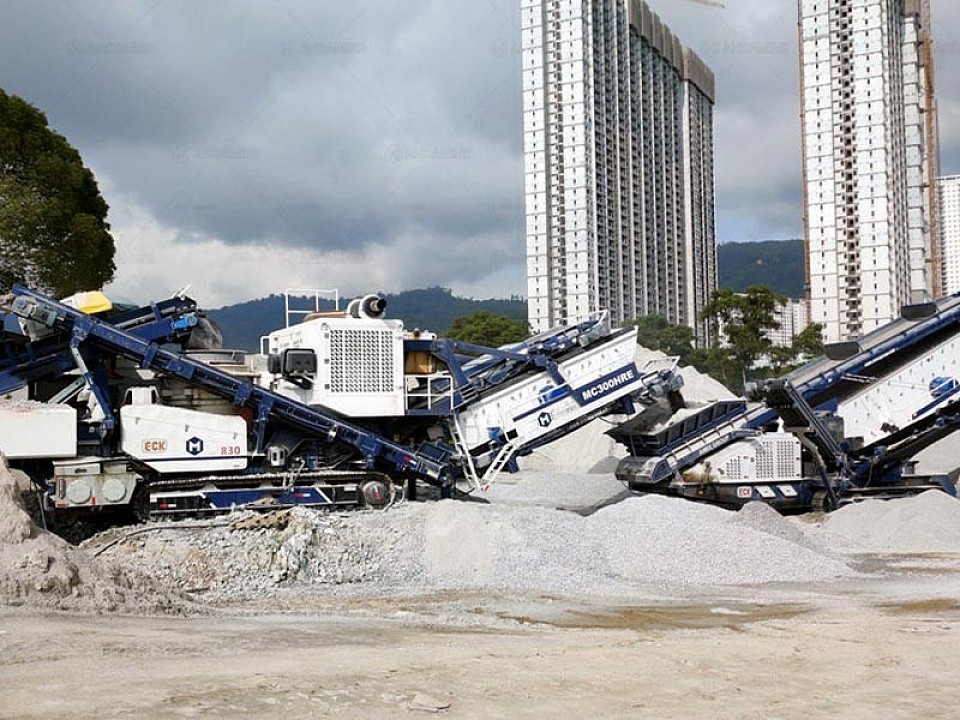
andamine mobile stone crusher plant for sale
Why Mobile Stone Crusher Plants Are a Smart Choice for On-Site Crushing
Many projects need crushed stone but face space or transport limits. A mobile stone crusher plant offers a clear answer. It brings crushing power where it is needed, saving time and cost.
What Is a Mobile Stone Crusher Plant?
A mobile stone crusher plant is a set of machines on wheels or tracks. It crushes stones at the site, not in a fixed factory. You can move it as work moves. This plant often includes a feeder, crusher, screen, and conveyor. Some models use track crushers for rough ground. Track crushers grip soft or uneven land well. So, they reach places wheeled units may not go.
Using this plant means you skip long hauls of raw stone. You also cut return trips for processed stone. Thus, work flows faster. Also, you avoid repeated loading and unloading. This cuts fuel use and labor hours.
Key Benefits for Customers Today
First, mobility saves transport cost. You crush stone right where you dig it. Next, setup is quick. Many plants start working in hours, not days. So, you begin making product sooner. Also, you adjust output size to match job needs. This avoids waste and extra handling.
Track crushers add value on slopes or wet sites. They move steady without sinking. Hence, you keep work going in tough spots. Moreover, mobile stone crusher plants suit small and large jobs. You can run one unit or link several for more output.
Another plus is lower fixed investment. You rent or own a plant that works for many tasks. So, your gear earns back cost across different sites. Also, modern plants meet noise and dust rules. You protect crews and nearby areas.
How to Pick the Right Mobile Stone Crusher Plant
Start by checking site conditions. Soft ground calls for track crushers. Hard flat ground may suit wheeled units. Think about stone type and hardness too. Some crushers handle hard rock better. Others work best for softer stone.
Next, look at output range. Match plant capacity to daily needs. If you need fine gravel, check screen options. If you want mixed sizes, pick a flexible setup. Also, see if parts are easy to get. Quick fixes mean less downtime.
Do not forget service support. Choose makers who offer local help. Training for your crew is wise. When staff know safe, proper use, the plant lasts longer. Also, ask for fuel use data. Lower use cuts running cost over months.
Tips for Smooth Operation
Begin with site prep. Clear a firm base for the plant. Level ground stops strain on parts. Then, run checks each shift. Look at oil, belts, and wear items. Spot issues early to avoid big stops.
Keep crushed stone moving out fast. Pileups jam conveyors and slow work. Also, train crews to spot odd sounds or shakes. These signs can point to loose parts or faults. Fix them before they grow.
Use track crushers with care on slopes. Go slow, and use brakes if needed. Wet weather asks for slower moves to guard safety. Clean dust from screens and fans often. Clogged parts cut efficiency and raise heat.
Real Uses That Show Value
Quarry crews use mobile stone crusher plants to make gravel near pits. This shrinks truck loads and slashes cost. Road teams crush stone on-site for base layers. So, they shape roads faster with less haul.
Demolition firms reuse concrete with these plants. They turn old slabs into new aggregate. Thus, they cut waste and landfill trips. Also, landscaping jobs make custom stone sizes on demand. Clients get exact grades without wait.
In remote areas, track crushers help build access roads. Ground is rough, so wheels fail. Tracks keep work on track. Small crews run plants with ease. So, even tight budgets cover site crushing.
Wrapping Up
A mobile stone crusher plant fits many tasks and sites. Its mobility trims transport, speeds work, and lifts output. Track crushers boost reach on tough ground. By picking the right plant and using it well, you gain steady gains.
Think of this plant as a tool that follows your work. It cuts steps, saves fuel, and makes stone fit your need. For crews who move often or work far, it is a sound choice. Start by matching plant traits to your tasks. Then, run it with care. Your next project will see clear benefits.
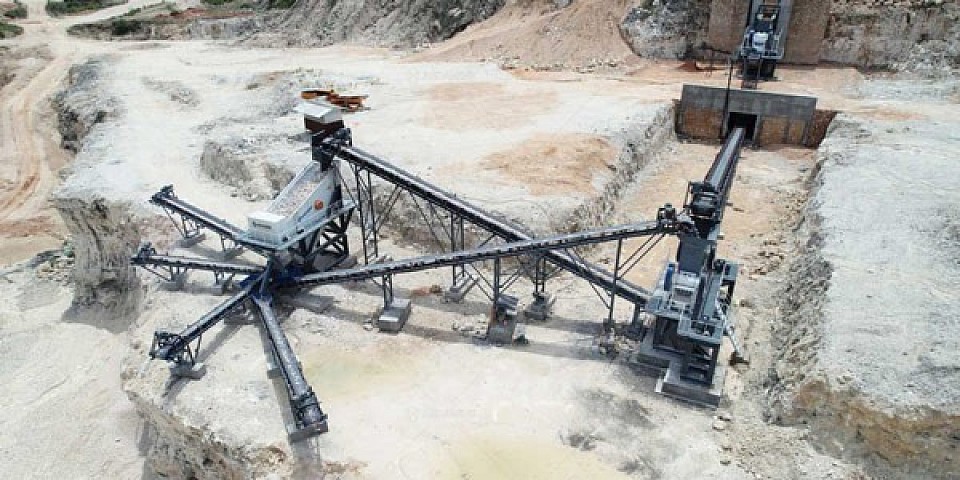
Understanding Crusher Plant in Indonesia: A Guide for Local Projects
Indonesia’s fast growth drives need for stones in roads, buildings, and more. Crusher plants turn big rocks into usable sizes. So, knowing about crusher plants helps project planners and builders here.
Why Crusher Plants Matter in Indonesia
Many projects in Indonesia need stones of different sizes. Quarries give raw rocks, but they are too big for use. Crusher plants process them into gravel, sand, or small stones. This makes stones fit for construction easily. Also, local production cuts transport costs. Builders get materials faster and at better prices. Thus, crusher plants support Indonesia’s building needs well.
What Is a Stone Crusher Indonesia?
Stone crusher Indonesia means machines made to crush local stones. These machines handle Indonesia’s common rock types, like basalt and limestone. They come in fixed or mobile forms. Fixed ones stay in one place, good for large quarries. Mobile ones move to sites, saving transport of raw rocks. Both types help meet site needs quickly. So, choosing stone crusher Indonesia depends on project size and location.
Types of Stone Crusher Plant for Indonesian Sites
Different projects need different types of stone crusher plant. First, jaw crusher plants suit hard rocks. They break big stones into medium pieces. Next, impact crusher plants work well for softer stones. They shape stones while crushing, giving good looks for concrete. Then, cone crusher plants make fine stones. They produce even grains, fit for road bases. Some plants mix types, like jaw plus cone. This gives flexibility to match output with demand. Knowing these types of stone crusher plant helps pick the right setup.
Key Points When Setting Up a Crusher Plant in Indonesia
First, check rock type at your site. Hard rocks need tough crushers. Soft rocks may need lighter units. Second, think about output needed each day. Small sites may use compact plants. Large mines need high capacity lines. Third, plan space for plant and stockpiles. Good layout speeds work and cuts waste. Fourth, follow local rules on dust and noise. Indonesia has rules to protect people and land. Fifth, train staff to run and care for machines. Skilled hands keep plants running smooth.
Also, look at after sales support. Reliable suppliers offer parts and service nearby. This cuts downtime if machines need fixes. Moreover, check power supply. Some remote sites may need generators. So, match plant specs with site facts. This avoids costly changes later.
Benefits of Using Local Crusher Plants in Indonesia
Local plants know Indonesia’s conditions well. They design for heat, rain, and dust found here. Also, they use parts that are easy to find in local markets. This means less wait for repairs. Plus, local makers often give advice in Bahasa Indonesia. Communication is clear, so setup goes smoother. Furthermore, buying from local firms supports Indonesia’s economy. It keeps skills and jobs within the country.
In addition, local plants can visit sites to check needs. They suggest layouts that save cost and time. They also help test samples to set right settings. So, working with them brings practical benefits for users.
Tips for Getting the Most From Your Crusher Plant
Start by running tests on raw stones. Know their hardness and moisture. This helps set crushers right. Next, clean screens and crushers often. Clogs slow output and harm quality. Also, track wear parts and replace them early. This stops sudden stops. Besides, adjust speed and feed rate to match stone type. Overloading wears parts fast. Meanwhile, check final product size often. Keep it as per project spec.
Also, store stones in dry areas. Wet stock may clog gear or lower quality. Train operators to spot small faults. Fixing them early saves big repair costs. In short, care and smart use keep your crusher plant reliable for years.
Conclusion
Crusher plant in Indonesia turns raw rocks into vital construction material. By learning about stone crusher Indonesia and types of stone crusher plant, you choose better for your project. Think of rock type, output, space, and rules. Use local support and maintain machines well. Then, your plant will serve projects steadily and help build Indonesia’s future.
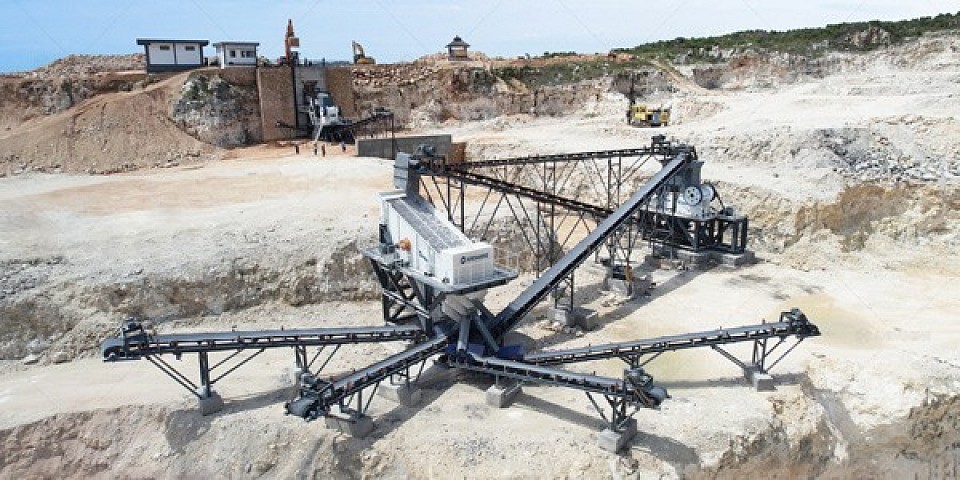
200th Stationary Stone Crushing Plant In Indonesia
Balancing Global Needs: Stone Crusher in Indonesia and Russia for Smart Investment
Today’s construction and mining sectors span many countries. Each region has its own material, climate, and cost factors. Buyers often look at harga stone crusher Indonesia for affordable setups. Others study crusher plant in Russia for cold-climate reliability. Understanding both helps you plan better.
Let’s see how these markets differ and what lessons apply worldwide.
Why compare Indonesia and Russia markets
Indonesia and Russia have large territories and growing infrastructure needs. Indonesia faces hot, humid weather and island geography. Russia deals with freezing winters and remote sites. Both need reliable stone crushing to supply local projects.
By comparing harga stone crusher Indonesia and crusher plant in Russia, you learn about price drivers. You also see how climate and logistics shape choices. This knowledge helps you pick equipment for your own region.
Harga stone crusher Indonesia: what shapes the price
Harga stone crusher Indonesia depends on capacity, brand, and mobility. Small mobile units may start at modest levels. Larger stationary plants cost more. Transport to islands adds expense. Import duties also affect final price.
Local suppliers sometimes offer lower purchase cost. Yet spare parts and service matter more over time. Choose machines that balance upfront harga stone crusher Indonesia with long-term support. This avoids high repair bills later.
Crusher plant in Russia: adapting to harsh climate
A crusher plant in Russia must handle sub-zero starts and frozen ground. Engines need cold-grade oils and heaters. Hydraulic systems require insulation. Tracks or reinforced wheels cope with snow and mud.
Setup often takes longer due to weather delays. Indoor assembly or pre-heating protects parts. Power supply is another factor. Remote Russian sites may rely on diesel generators. All this shapes the plant cost and design.
Matching equipment to local material and terrain
Indonesia’s geology includes volcanic rock, limestone, and river stone. A plant must crush varying hardness. In Russia, basalt and granite are common. These are hard and abrasive.
Your crusher type should match rock traits. Jaw crushers handle large, hard feed. Cone crushers refine size. Impact crushers shape softer stone. Picking right type cuts wear and lifts output in both markets.
Transport and site access considerations
Indonesia’s island locations limit transport size. Modular or mobile plants fit ships and trucks better. Russia’s vast roads vary in quality. In winter, many routes close or need snow clearance.
Plan delivery and setup early. Smaller, mobile units reduce civil work in both regions. This saves time and avoids extra cost in tough terrain.
Energy supply and operating cost differences
In Indonesia, grid power is common in cities but less stable in remote areas. Generators are widely used. Fuel choice and storage safety matter. In Russia, cold affects fuel flow. Winter blends prevent gelling.
Operating cost includes fuel, labor, and parts. Compare harga stone crusher Indonesia with running cost in Russia. A cheaper plant may cost more if fuel use is high or parts are scarce.
Maintenance and service access in each market
Spare parts supply affects uptime. Indonesia’s archipelagic nature means longer delivery to far islands. Russia’s remote sites may lack nearby dealers. Stock key wear parts locally in both cases.
Train crews in routine checks. Daily inspections catch small faults. Fast repairs keep crusher plant in Russia and Indonesian plants running. Good maintenance protects your investment.
Environmental and regulatory factors
Indonesia enforces dust and noise rules near communities. Water sprays and enclosed conveyors help comply. Russia sets strict limits for winter operations and emissions.
Plan for environmental controls early. Non-compliance leads to fines and delays. Meeting rules builds trust with local authorities and neighbors.
Key takeaways for global buyers
First, study local climate, material, and transport limits. Next, compare harga stone crusher Indonesia with crusher plant in Russia pricing logic. Check not just purchase price but setup, power, and parts cost.
Then, match machine type to rock and capacity needs. Plan for weather protection and maintenance. Finally, choose suppliers with local support. This ensures reliable operation wherever you work.
Conclusion: smart comparison guides better investment
Balancing global needs means learning from harga stone crusher Indonesia and crusher plant in Russia. Both markets show how price, climate, and logistics shape crushing solutions. Use these insights to pick equipment that fits your site and budget.
With clear planning, you gain steady production and lower risk. Whether in tropics or tundra, the right plant delivers value year after year.
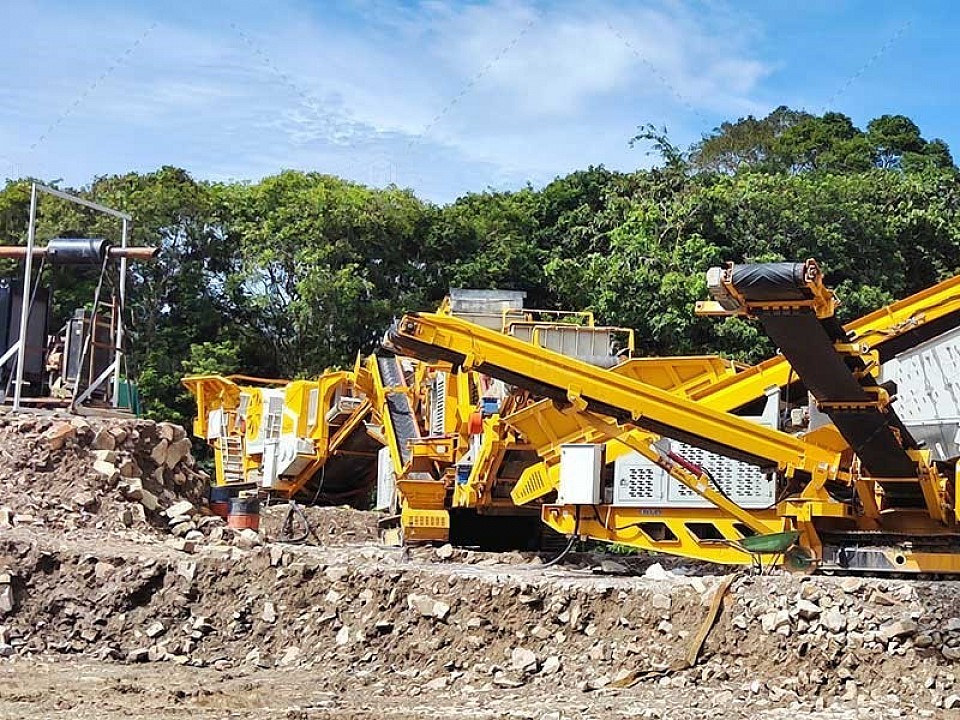
andamine mobile track crusher for sale
Mobile Crusher for Sale: A Practical Guide for Buyers
When searching for a mobile crusher for sale, buyers often face many choices. It is important to know what features matter most for your project. This guide will help you make an informed decision.
Why Choose a Mobile Crushing Plant for Sale?
A mobile crushing plant for sale offers flexibility and efficiency. You can move the equipment to different job sites without long setup times. This saves time and reduces transportation costs.
These plants handle various materials, including rock, concrete, and asphalt. They are ideal for construction, mining, and recycling projects. With a mobile unit, you can process materials right at the source.
Key Features to Look For
When considering a track crusher for sale, check the engine power and crushing capacity. A strong engine ensures smooth operation under heavy loads. The crushing chamber should match the size of the material you plan to process.
Look for easy-to-replace wear parts. This helps reduce downtime during maintenance. Also, consider the control system. A user-friendly interface makes operation simpler and safer.
Benefits of Track Crushers
A track crusher for sale provides excellent mobility on rough terrain. Tracks allow the machine to move over uneven ground with ease. This is especially useful in remote areas or on unstable surfaces.
Track crushers also offer better stability when working on slopes. Their design helps prevent tipping, which improves safety. In addition, they can be quickly repositioned for different tasks.
How to Evaluate a Mobile Crusher for Sale
First, review the machine’s specifications. Check the maximum feed size, output size, and production rate. These numbers tell you if the unit meets your needs.
Next, ask about the warranty and after-sales support. Reliable service helps keep the machine running efficiently. Consider the availability of spare parts in your region.
Finally, request a demonstration. Watching the machine in action gives you a better idea of its performance. It also allows you to test the controls and check the build quality.
Conclusion
Buying a mobile crusher for sale is a significant investment. By understanding the key features and benefits, you can choose the right unit. Whether you need a mobile crushing plant for sale or a track crusher for sale, focus on reliability, efficiency, and support.
This approach will help you get the best value for your money. A well-chosen mobile crusher can improve productivity and lower costs for years to come.
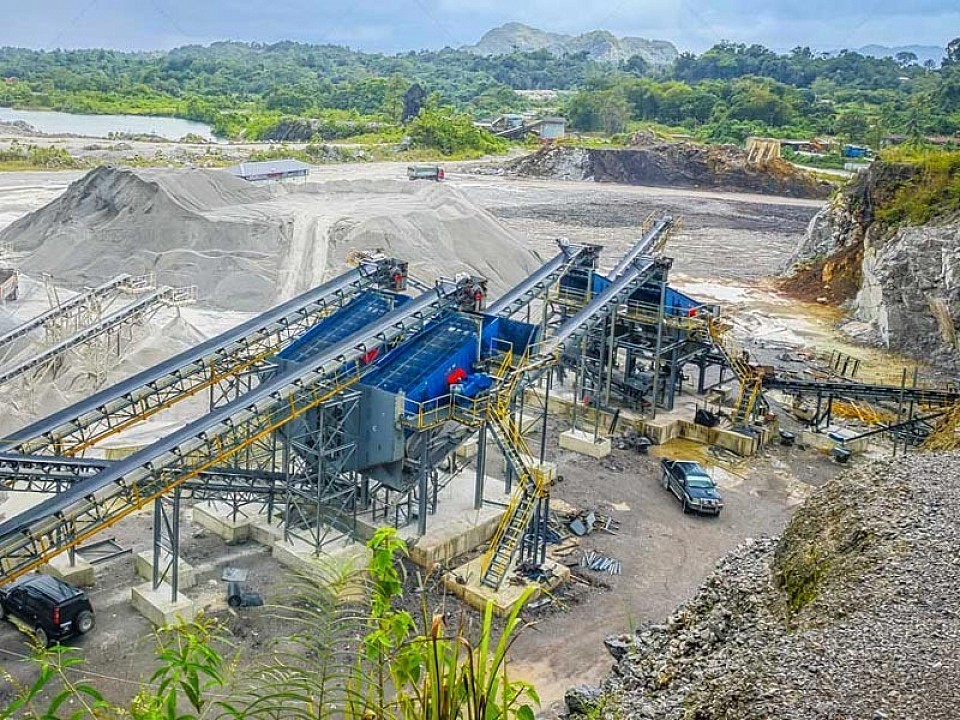
Andamine sand and aggregate production onsite
6 Key Steps in Sand and Aggregate Production for Quality Output
Sand and aggregate production turns raw stone into usable materials for construction. Getting consistent quality requires careful planning and execution. In this blog, we outline six essential steps that ensure reliable output. We also highlight limestone crusher plant and quartz crushing plant roles in delivering specialized products. These insights help customers optimize processes and reduce waste.
Let’s examine each step clearly.
Step 1 – Extraction and Transportation of Raw Material
Production begins with sourcing stone from quarries or pits. You extract limestone, granite, basalt, quartz, or river stone depending on project needs. Ensure extraction minimizes contamination from soil or vegetation. Transport raw stone to the crushing facility promptly to avoid weathering effects. Efficient logistics reduce delays and preserve material quality from the start.
Step 2 – Primary Crushing for Size Reduction
Large stones arrive at the plant needing size reduction. Primary crushers, often jaw crushers, break them into manageable pieces. This step prepares material for further processing. In a limestone crusher plant, primary crushing handles big limestone blocks efficiently. For quartz, primary crushing prepares hard stone for precise grinding later. Proper primary crushing ensures smooth downstream operations.
Step 3 – Secondary and Tertiary Crushing for Finer Gradation
After primary crushing, material moves to secondary crushers. Cone or impact crushers refine particle size further. Tertiary crushing may follow for very fine aggregate or manufactured sand. Each stage targets specific gradation requirements. In a quartz crushing plant, secondary and tertiary stages shape quartz into sand with controlled texture. Multiple crushing stages improve consistency and reduce oversized particles.
Step 4 – Screening and Sorting by Size
Crushed material undergoes screening to separate sizes. Vibrating screens divide aggregate into different stockpiles. Oversize returns to crushers for reprocessing. On-size material proceeds to washing or storage. This step ensures each batch meets project specifications. Proper screening reduces waste and guarantees uniformity in the final product.
Step 5 – Washing and Cleaning to Remove Impurities
Washing removes dust, clay, and soluble salts from aggregate. Clean sand and gravel perform better in concrete and asphalt. In both limestone crusher plant and quartz crushing plant setups, washing units use water spray and scrubbing. Some systems include dewatering screens to recover reusable water. Clean material enhances binding properties and durability of finished construction products.
Step 6 – Storage and Load-Out with Quality Control
Sorted and washed aggregate moves to storage silos or stockpiles. Proper segregation prevents mixing of different grades. Load-out systems fill trucks or railcars accurately. Quality control labs test samples regularly for gradation, cleanliness, and strength. Reliable storage and handling maintain product integrity until delivery. This final step ensures customers receive consistent, specification-compliant materials.
Additional Considerations for Consistent Output
Automation and monitoring improve process control. Sensors track vibration, temperature, and throughput in real time. Staff training ensures adherence to procedures and quick troubleshooting. Regular maintenance of crushers, screens, and conveyors prevents unexpected downtime. Integrating these practices with limestone crusher plant or quartz crushing plant operations boosts long-term stability.
Conclusion
Following these six key steps in sand and aggregate production ensures quality output. From extraction to final load-out, each phase contributes to consistency and performance. Utilizing specialized plants like limestone crusher plant and quartz crushing plant allows tailored processing for different materials. Implementing these steps helps producers meet construction standards while minimizing waste and cost.
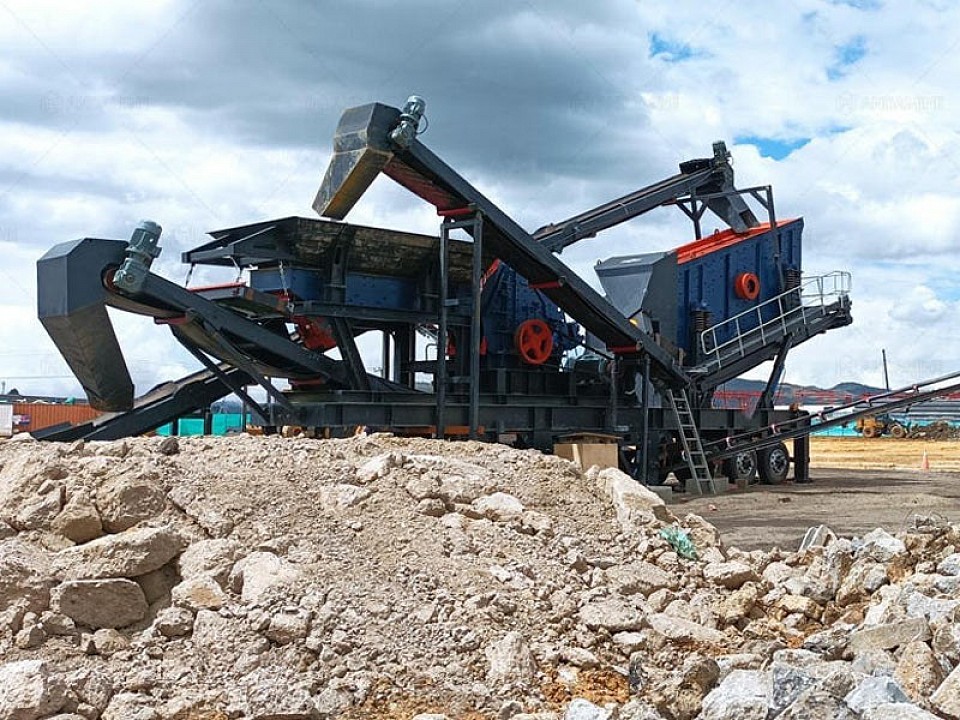
Andmine mobile impact crusher for sale
Why Portable Mobile Crushers Are a Smart Choice for Modern Quarries
In today’s fast-paced construction and mining industry, efficiency and flexibility are key. Many companies need to process materials on-site, but traditional fixed crushers often require long setup times and high costs. This is where portable mobile crushers come in. They allow you to crush materials right where they are, saving time, money, and effort.
What Is a Portable Mobile Crusher?
A portable mobile crusher is a self-contained crushing machine mounted on a wheeled or tracked chassis. It can move easily from one job site to another without disassembly. You can use it to break down rocks, concrete, asphalt, and other materials into smaller sizes. Because it is mobile, it works well in remote areas, road construction sites, and quarry operations.
Key Types of Portable Mobile Crushers
There are different types of portable mobile crushers, each designed for specific tasks. The most common include:
Mobile Impact Crusher for Sale: This type uses a high-speed rotor to break down hard materials. It is ideal for secondary crushing of medium-hard rock, concrete, and asphalt. It also produces a cubical product shape, which is important for many applications.
Mobile Cone Crusher for Sale: This type crushes material with a gyrating cone inside a chamber. It is best for fine crushing of hard and abrasive materials, such as granite and basalt. It provides a uniform end product size, making it popular in quarry and mineral processing.
Benefits of Using Portable Mobile Crushers
Using a portable mobile crusher brings several advantages. First, it reduces transportation costs because you do not need to haul large amounts of raw material to a stationary plant. Second, it shortens project timelines by allowing immediate crushing on-site. Third, it saves space and resources, since you do not need a fixed foundation. Finally, it adapts to different project needs, whether you are working in a small urban area or a large open-pit mine.
How to Choose the Right Portable Mobile Crusher
When selecting a portable mobile crusher, consider the following factors:
Material Type: If you are crushing soft to medium-hard materials, a mobile impact crusher for sale may be the best option. For harder, more abrasive materials, a mobile cone crusher for sale will perform better.
Output Size: Check the final product size you need. Some crushers produce finer material, while others are better for coarse crushing.
Mobility: Decide if you need a track-mounted or wheeled model. Track-mounted models are great for rough terrain, while wheeled models are easier to move on roads.Capacity: Make sure the machine can handle the volume of material you plan to process daily.
Maintenance Support: Choose a supplier that offers good after-sales service, spare parts, and operator training.
Maintenance Tips for Portable Mobile Crushers
To keep your portable mobile crusher running efficiently, follow these simple steps:
Inspect the machine regularly for wear and damage.Clean the crushing chamber to prevent buildup of debris.Lubricate moving parts according to the manufacturer’s guidelines.Replace worn-out parts promptly to avoid major breakdowns.Keep the engine and hydraulic systems in good condition.Where to Find Reliable Portable Mobile Crushers
If you are looking for a mobile impact crusher for sale or a mobile cone crusher for sale, it is important to work with a trusted supplier. A good supplier will provide quality equipment, competitive prices, and strong support. You can find these machines through online marketplaces, local dealers, or direct from manufacturers. Always check customer reviews, request a demo, and compare specifications before making a purchase.
Conclusion
Portable mobile crushers offer a practical solution for modern quarry and construction projects. They save time, reduce costs, and increase productivity. Whether you need a mobile impact crusher for sale for medium-hard materials or a mobile cone crusher for sale for fine crushing, there is a model to match your needs. By choosing the right machine and maintaining it properly, you can get the most out of your investment.
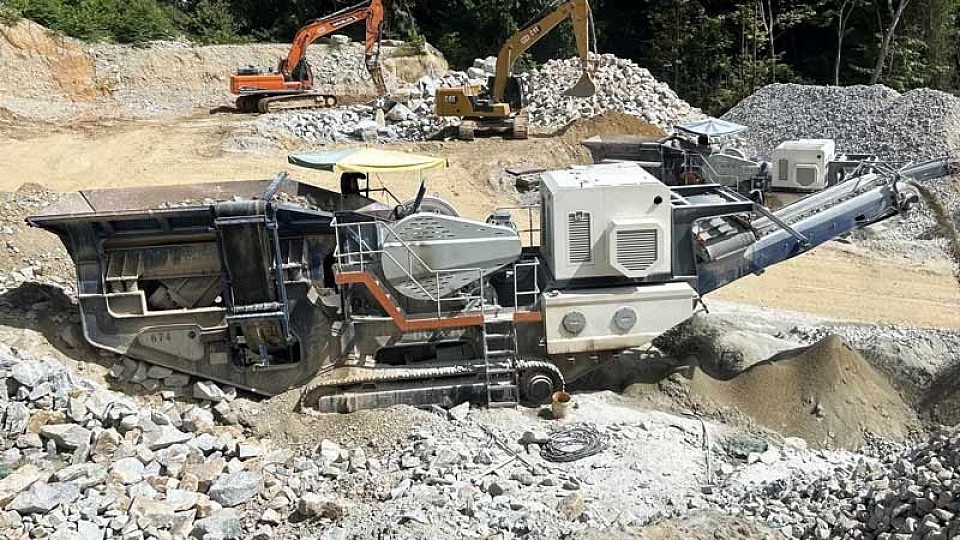
Andamine Mobile Impact Crusher Plant in Malaysia
How Much Does It Cost to Build and Operate a Mobile Crusher in Malaysia?
Many businesses in Malaysia look at mobile crushers for flexible crushing work. They wonder, how much does it cost to build and operate one here? This blog gives clear answers.
We cover setup and running costs for a mobile crusher Malaysia project. We also talk about mobile crusher plant for sale options. Our goal is to help you plan with facts, not guesses.
Why Consider a Mobile Crusher in Malaysia?
A mobile crusher plant for sale lets you crush stones at different sites. You avoid moving heavy materials to fixed plants. This saves transport time and cost.
In Malaysia, construction and mining projects spread across states. A mobile crusher Malaysia unit moves to quarries, roadsides, or demolition sites. It works where needed, so you use it fully.
Also, mobile units need less site prep. You skip building foundations for fixed plants. This cuts initial setup steps. Still, knowing total cost matters before buying.
Cost to Build a Mobile Crusher Plant in Malaysia
Building a mobile crusher plant means buying the unit and setting it up. The biggest cost is the mobile crusher plant for sale itself. Prices change by model, capacity, and brand.
Small mobile crushers suit light jobs. They cost RM150,000–RM400,000. Medium ones handle bigger volumes. Their price is RM400,000–RM1,200,000. Large units for mining reach RM1,200,000–RM3,000,000.
Next, add transport and assembly. Moving the unit to your site costs RM2,000–RM10,000. Assembly and checks take RM5,000–RM15,000. You may need permits for some sites. Permit fees in Malaysia are RM1,000–RM5,000.
Also, think about extras. Conveyor extensions or extra screens cost RM10,000–RM50,000. These help adjust output to project needs. So, total build cost for a mobile crusher Malaysia setup can be RM170,000–RM3,070,000.
Operating Cost of a Mobile Crusher in Malaysia
Operating costs run daily, weekly, and yearly. They decide if your mobile crusher plant stays affordable. Let’s break them down simply.
Fuel is a top cost. Most mobile crushers use diesel. A medium unit uses 20–50 liters per hour. With diesel at RM2–RM3 per liter, hourly fuel cost is RM40–RM150. Daily use makes this add up fast.
Maintenance keeps the crusher working. Oil changes, filter swaps, and part fixes cost RM500–RM2,000 monthly. Spare parts like belts or hammers cost RM5,000–RM20,000 to stock.
Labour is next. One operator earns RM2,500–RM5,000 monthly. A helper or mechanic adds RM1,500–RM4,000. Small plants need 1–2 staff; larger ones need 3–5.
Then, there is site-related cost. Renting land for temporary setups costs RM500–RM3,000 monthly. Electricity for controls or lighting is RM300–RM1,000 monthly.
Also, raw material cost matters. If you buy stones to crush, prices vary by state. Transporting stones adds RM10–RM50 per ton.
Tips to Control Mobile Crusher Malaysia Costs
First, pick the right size unit. An oversized crusher wastes fuel and raises labour cost. Match capacity to your usual daily output.
Check mobile crusher plant for sale listings carefully. Compare new and used units. Used ones cost less but inspect engines and parts first.
Train your staff well. Skilled operators use less fuel and cause fewer breakdowns. This cuts maintenance and repair cost over time.
Do regular checks. Spot small issues early to avoid big repairs. Keep spare parts handy for common fixes.
Also, plan routes if moving the crusher often. Shorter trips save fuel. Group nearby jobs to reduce transport time and cost.
Final Thoughts on Mobile Crusher Cost in Malaysia
So, how much does it cost to build and operate a mobile crusher in Malaysia? Build cost starts at RM170,000 and can reach RM3 million. Operating cost varies by use but includes fuel, maintenance, labour, and site fees.
A mobile crusher Malaysia setup offers flexibility for many projects. By checking mobile crusher plant for sale options and planning costs, you make smart choices.
Know your needs, compare options, and track spending. This way, your mobile crusher plant runs well without wasting money.
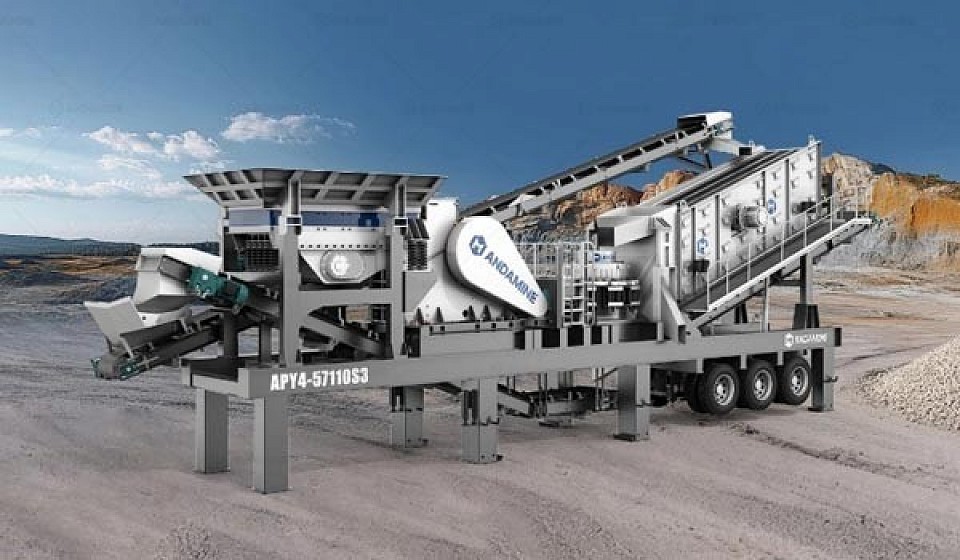
APY4-S Andamine mobile crusher plant in Russia
Portable Crushing Plants: Flexibility and Productivity for On-Site Crushing in Russia
On-site crushing brings work closer to raw material in Russia. It cuts transport cost and speeds up projects. Portable crushing plants offer the flexibility needed in vast and diverse sites. They also lift productivity in tough conditions. In this blog, we explain how these plants help crushing plant Russia operations. We show their benefits for customers and how to use them well.
Let’s explore why they matter and how they work in practice.
Why On-Site Crushing Fits Russia’s Landscape
Russia’s territory spans deserts, forests, and frozen zones. Material sources are often far from processing sites. Moving rock over long distances raises fuel cost and emissions. It also adds delays.
A crushing plant that moves with the job saves haulage. Portable crushing plants can relocate as the project progresses. This is vital in road building, remote mining, and large quarries.
Flexibility of Portable Crushing Plants
These plants come on wheels or tracks. Wheel-mounted units move fast on roads. Track-mounted units grip uneven, muddy, or icy ground. Both types set up quickly.
In crushing plant Russia sites, mobility means you can crush near the pit or excavation. You avoid double handling of material. This saves time and labor.
Flexibility also helps in seasonal work. You move the plant to active zones and pause in harsh weather.
Boosting Productivity Close to Source
When crushing happens on site, you process only what you need. There is less overproduction and waste. You match output to daily demand.
Portable crushing plants often combine crushers, screens, and conveyors. This gives sorted product straight away. You feed concrete plants, road crews, or storage without extra steps.
In crushing plant Russia projects, this shortens supply chains and keeps work flowing.
Adapting to Russia’s Climate Challenges
Cold winters and permafrost limit fixed plant use. Many portable units have cold-weather kits. These include engine heaters, cold-grade oils, and insulated panels.
Some plants add track heating and battery warmers. Such features help start and run in sub-zero temperatures. This protects uptime in remote areas.
Hot regions face dust and heat. Portable plants can use dust suppression and larger cooling systems. You maintain output despite climate stress.
Matching Plant to Material and Task
Russia has varied geology. You may crush granite, limestone, basalt, or construction debris. Each material needs the right crusher type and screen size.
A crushing plant can mix jaw, cone, and impact units for different stages. Portable setups let you adjust configuration to match rock hardness and moisture.
This adaptability improves product quality and lowers wear.
Reducing Logistics and Environmental Impact
Long hauls of raw stone or waste raise cost and carbon footprint. Portable crushing plants cut transport distances. You process rubble on demolition sites or near quarries.
Less truck movement means lower fuel use and road wear. It also eases pressure on local infrastructure. Projects meet environmental rules more easily.
Ease of Setup and Relocation
Setting up a crushing plant Russia traditionally takes time and civil work. Portable plants need minimal groundwork. Many units are ready in hours, not days.
When one site finishes, you tow or drive the plant to the next zone. This suits road corridors, pipeline work, and phased developments. Fast relocation keeps projects on schedule.
Supporting Recycling and Sustainable Use
Portable plants handle recycled concrete, asphalt, and masonry. You turn waste into reusable aggregate on the spot. This supports circular economy goals.
In city rebuilding or highway renewal, crushing plant Russia operations can reuse material nearby. You cut landfill use and preserve natural resources.
Key Factors When Choosing a Portable Plant
First, check material type, feed size, and output needs. Match crusher type to task. Consider mobility option for terrain.
Review climate protections and service access. Ensure parts and support are available in Russia. A well-chosen plant runs reliably and lifts return on investment.
Training and Maintenance for Reliable Use
Train crews in setup, operation, and safety for local conditions. Teach cold-start steps and dust control. Regular maintenance prevents faults in tough sites.
Keep wear parts and filters in stock. Clean units often to avoid overheating. Good care keeps portable crushing plants productive all year.
Conclusion: Flexibility and Productivity in Russia’s Conditions
Portable crushing plants give flexibility and productivity for on-site crushing in Russia. They move with the work, cut transport, and adapt to climate and material. In crushing plant Russia projects, they help meet deadlines and control cost.
Choose the right configuration and support. Maintain well and train crews. This way, portable plants deliver steady performance across Russia’s vast and varied sites.