
Crushing Solution Sharing
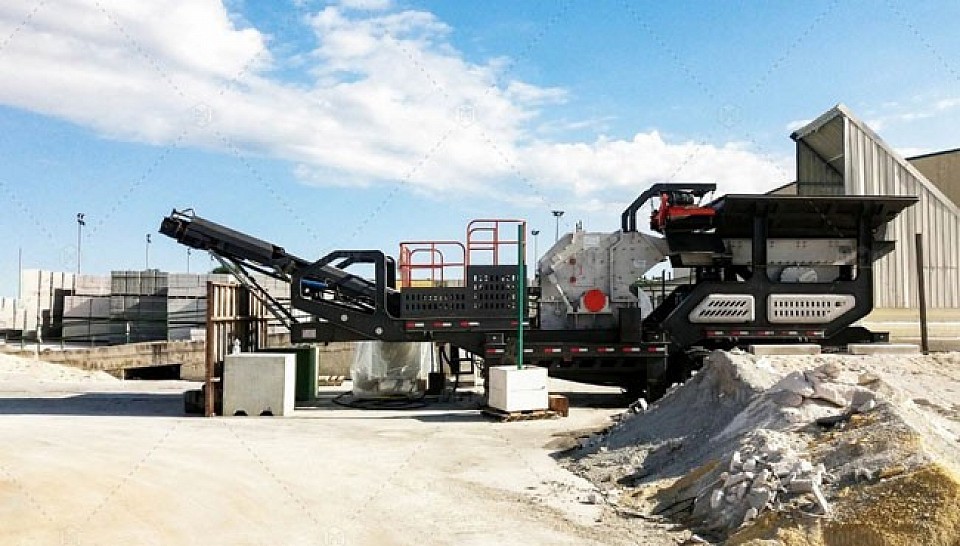
Mobile Crushing Plant for Road and Bridge Construction in Russia
Tips for Operating and Maintaining a Crusher Plant in Russia Effectively
Running a plant crusher in Russia brings special challenges. Harsh winters, remote sites, and varied materials test equipment and staff. Good operation and maintenance keep output steady and costs down. In this blog, we share clear tips for managing a crusher plant in Russia well. These ideas help customers improve reliability and safety.
Let’s explore practical steps for effective operation and care.
Understand Russia’s Climate and Site Conditions
Russia’s climate ranges from freezing winters to hot summers. Cold thickens oils and strains engines. Frozen ground can limit access and damage foundations. In hot regions, dust and heat stress machines.
Before starting, study local weather patterns and site terrain. Choose equipment with cold or heat adaptations. This helps a plant crusher run with fewer weather delays.
Prepare Equipment for Cold Weather
Sub-zero starts are common in Russia. Use cold-grade engine oils and hydraulic fluids. Fit engine block heaters and battery warmers. Pre-heat cabs and hydraulic tanks.
Insulate engine compartments to reduce heat loss. Check and replace worn belts and hoses before winter. These steps stop freeze-related failures in your crusher plant in Russia.
Conduct Daily Inspections and Walkarounds
Daily checks catch small issues before they grow. Look at belts, bearings, and fluid levels. Listen for unusual noises and note vibrations. Check wear on liners, jaws, and screens.
Clear dust and debris from intakes and radiators. Ensure safety guards are in place. Regular walkarounds keep your plant crusher safe and ready.
Train Operators for Local Conditions
Operators must know how climate affects each machine. Teach cold-start steps, safe shutdown in storms, and heat precautions. Explain how to adjust settings for wet or frozen feed.
Train crews to spot early signs of wear or fault. Skilled teams act fast, cutting downtime. Good training boosts both safety and efficiency.
Maintain Lubrication and Fluid Systems
Cold thickens grease and oil, raising wear. Follow maker’s advice on lubricant type and change intervals. Warm engines before full load in winter.
Keep hydraulic systems free of air and leaks. Use filters suited to dusty Russian sites. Clean reservoirs often. Proper lubrication protects parts and extends life.
Manage Wear Parts Strategically
Russian materials like granite and basalt wear parts quickly. Keep common spares—jaws, cones, screens, and blow bars—on site. Track wear rates to plan replacements.
Use hard-faced alloys in high-wear zones. Swap parts during scheduled stops, not in emergencies. This keeps your crusher plant in Russia running with less unplanned downtime.
Ensure Reliable Power Supply
Many Russian sites lack stable grid power. Diesel generators must work in cold or heat. Use winter fuel blends or additives to prevent gelling.
Install backup power for critical controls. Protect generators from snow and rain. Unstable power stops crushing; reliable supply keeps production on track.
Optimize Material Flow and Reduce Blockages
Wet or clay-rich feed can jam conveyors and crushers. Fit grizzly screens to remove fines. Use magnetic separators to pull out tramp metal.
Keep chutes and hoppers clear. Train operators to run equipment at rates that match feed quality. Smooth flow cuts stoppages in your plant crusher.
Control Dust and Meet Environmental Rules
Dust is a health risk and a legal issue in Russia. Use water sprays, misting systems, or dry filters. Cover conveyors and stockpiles.
Clean spills quickly to avoid airborne dust. Capture runoff where needed. Following rules prevents fines and builds good community relations.
Use Remote Monitoring Where Possible
Modern crusher plant in Russia setups allow remote tracking. Sensors monitor temperature, vibration, and load. Alerts flag faults early.
Managers can adjust settings without visiting the site. This saves time in bad weather. Remote tools improve uptime and safety.
Plan Maintenance Around Seasonal Shifts
Heavy maintenance is best done in mild seasons. Winter limits outdoor work and parts delivery. Schedule tasks like belt changes and motor checks before freeze begins.
Stock spare parts in heated storage. This ensures you can fix faults fast even in deep cold. Seasonal planning avoids long stoppages.
Build Local Support Networks
Remote sites may lack quick access to experts. Partner with local service firms and keep contact details handy. Join maker’s service networks if possible.
Store key spares regionally to shorten delivery. Local support cuts wait time and keeps your plant crusher running.
Keep Records and Review Performance
Log operating hours, fuel use, and wear part life. Note weather impacts and downtime causes. Review monthly to spot trends.
Use data to adjust maintenance and training. Tracking performance helps you run your crusher plant in Russia more efficiently over time.
Conclusion: Steady Operation Through Smart Practices
Operating and maintaining a plant crusher in Russia needs climate awareness and solid routines. Prepare for cold, train staff, and manage wear well. Ensure power, control dust, and use remote tools.
A well-run crusher plant in Russia delivers reliable output despite tough conditions. These tips help you protect your investment and meet production goals year-round.
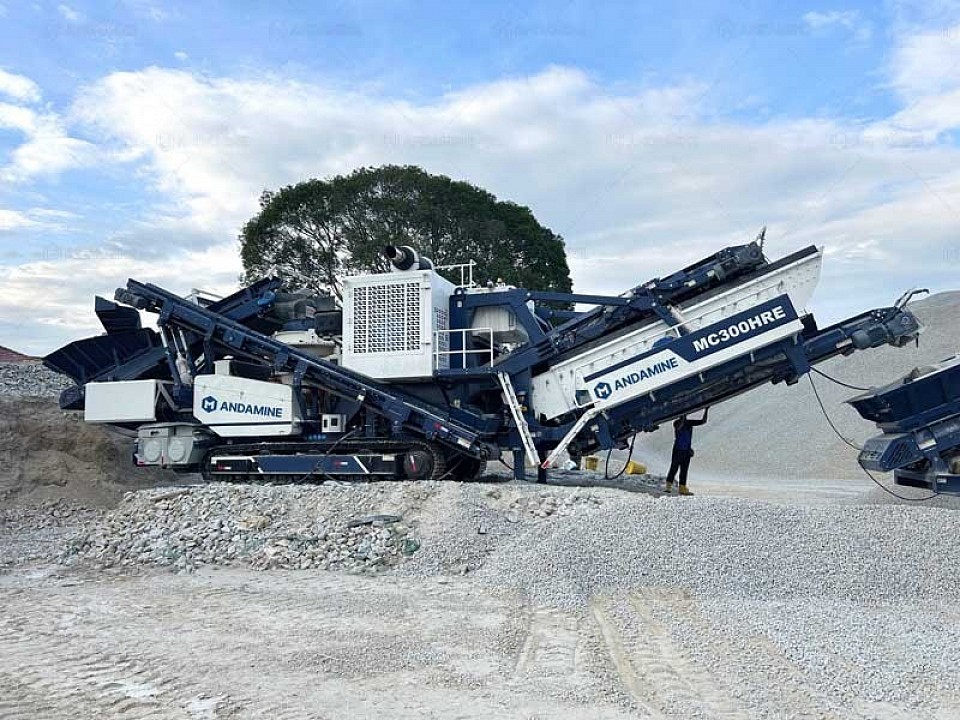
mobile crawler crusher plant working in chile
Design and Operation of Mobile Crusher Plants in Harsh Climates
Harsh climates test the limits of mobile crusher plants. Freezing temperatures, snow, dust storms, and rough terrain can disrupt work. Designing and running these plants well keeps production steady. This blog explains how to design and operate them in tough conditions. We link advice to portable crusher and track crusher for sale options. The aim is to give customers clear, useful facts for reliable performance.
Let’s see how to match design and operation to climate challenges.
Why Harsh Climates Need Special Design
Cold, heat, wind, and altitude change how machines work. Metal contracts in cold, causing stress. Heat thins lubrication, raising wear. Dust clogs filters and blocks sensors. In such places, a standard plant fails fast.
A portable crusher or track crusher for sale must handle these stresses. Design must focus on durability, easy maintenance, and safe operation. Ignoring climate leads to breakdowns and lost income.
Planning for extremes protects your investment and keeps output on track.
Choose the Right Mobility Option
Mobility type affects how well a plant copes. Wheel-mounted portable crushers move fast on roads but need firm ground. Track-mounted track crusher for sale units grip uneven, muddy, or icy ground.
In frozen or snowy sites, tracks prevent slipping and sinking. They also spread weight, reducing ground pressure. For desert or rocky ground, tracks handle sharp changes in surface better than wheels.
Pick mobility that matches your site’s surface and weather.
Cold-Weather Design Features
Sub-zero starts are a big hurdle. Engines need pre-heaters and cold-grade oils. Hydraulic tanks must stay warm to prevent thickening. Some portable crushers add engine block heaters and battery warmers.
Insulated engine compartments cut heat loss. Heated cabins keep operators safe and comfortable. Track systems may use synthetic greases that flow in cold.
These steps help the plant start and run when temperatures plunge.
Hot-Climate Design Needs
Extreme heat brings its own issues. Lubricants thin and may leak. Radiators can overheat, causing shutdowns. A track crusher for sale in hot zones needs larger cooling systems and shrouds.
Dust screens and sealed intake systems protect engines. Frequent cleaning avoids clogged radiators. Operators rotate shifts to limit heat exposure.
Good cooling design maintains power and cuts unplanned stops.
Dust and Sand Protection
Dry, windy climates produce fine dust and sand. These enter bearings, seals, and air filters. Without shielding, wear speeds up and sensors misread data.
Fit heavy-duty filters and seals on portable crushers. Use enclosed conveyor galleries and dust suppression sprays. Regular cleaning keeps airflow and cooling effective.
Protecting internals from grit extends component life and ensures stable operation.
Altitude and Air Density Concerns
High altitudes have thinner air. Engines lose power and radiators cool less well. Machines may need turbocharging or adjusted fuel maps. Electrical systems can behave differently at low pressure.
Choose a track crusher for sale with altitude-rated components. Test the setup at site elevation if possible. This avoids power loss and overheating in mountains.
Proper calibration keeps performance close to sea-level output.
Power Supply and Fuel Handling
Harsh sites often lack reliable grid power. Diesel generators must work in cold or heat. Fuel thickens in low temps, so use winter blends or additives. Store fuel in heated tanks if needed.
Generators should have cold-start aids and cold-weather oils. For portable crushers, plan backup power to avoid freezing of systems during outages.
Stable power and clean fuel prevent sudden halts.
Streamlined Layout for Maintenance Access
Maintenance gets harder in bad weather. Design the plant so key parts are easy to reach. Group daily checks in one area. Use wide walkways and anti-slip surfaces.
Mount grease points and service panels where crews can work safely. Keep spare parts in heated, dry storage. Quick access cuts downtime when servicing in rain, snow, or wind.
Ease of service keeps the plant running through tough spells.
Operator Safety and Comfort
Cold, heat, and wind raise safety risks. Cabs need insulation, heating, or cooling as required. Non-slip steps and handrails prevent falls on icy platforms. Visibility must stay clear despite dust or snow.
Provide heated clothing and rest areas. Limit exposure to extreme shifts. Trained crews spot hazards early and act fast.
Safe, comfortable operators stay alert and reduce accidents.
Match Plant Capacity to Climate Limits
Harsh weather may force shorter workdays. If so, match plant capacity to available runtime. A smaller portable crusher running full time can beat a large unit idled by shutdowns.
Plan buffer stockpiles for days when crushing stops. This keeps downstream work flowing. Flexible scheduling avoids wasting plant potential.
Right sizing prevents overinvestment and lost output.
Remote Monitoring and Control
Remote systems help in isolated or dangerous sites. Sensors track temperature, vibration, and fuel levels. Alerts warn of faults before they cause failure.
Operators can adjust settings from warm offices. This cuts trips to the machine in storms or extreme cold. For track crusher for sale units, GPS tracking aids fleet management in vast, harsh zones.
Monitoring boosts uptime and protects staff.
Training for Climate-Specific Operation
Teach crews how climate affects each system. Show cold-start steps, dust-clearing routines, and heat precautions. Run drills for emergency shutdowns in storms.
Make sure staff know how to switch fuels, check heaters, and clean filters fast. Good training means quicker response and fewer errors.
Prepared teams keep the plant safe and productive.
Maintenance Planning in Harsh Seasons
Schedule heavy maintenance in milder periods. During winter or monsoon, do only essential checks. Stock parts that commonly fail in your climate.
Use corrosion-resistant coatings in wet or salty air. Check batteries and wiring often in freeze-thaw cycles. Preventive care avoids breakdowns when help is far away.
Seasonal planning keeps the plant reliable year-round.
Conclusion: Design and Run for the Real World
Design and operation of mobile crusher plants in harsh climates need careful thought. Choose portable crusher or track crusher for sale types that fit ground and weather. Add cold or heat protection, dust shielding, and safe layouts.
Support teams with training, remote tools, and climate-wise maintenance. This way, your plant runs steadily, protects your investment, and meets production goals despite nature’s challenges.
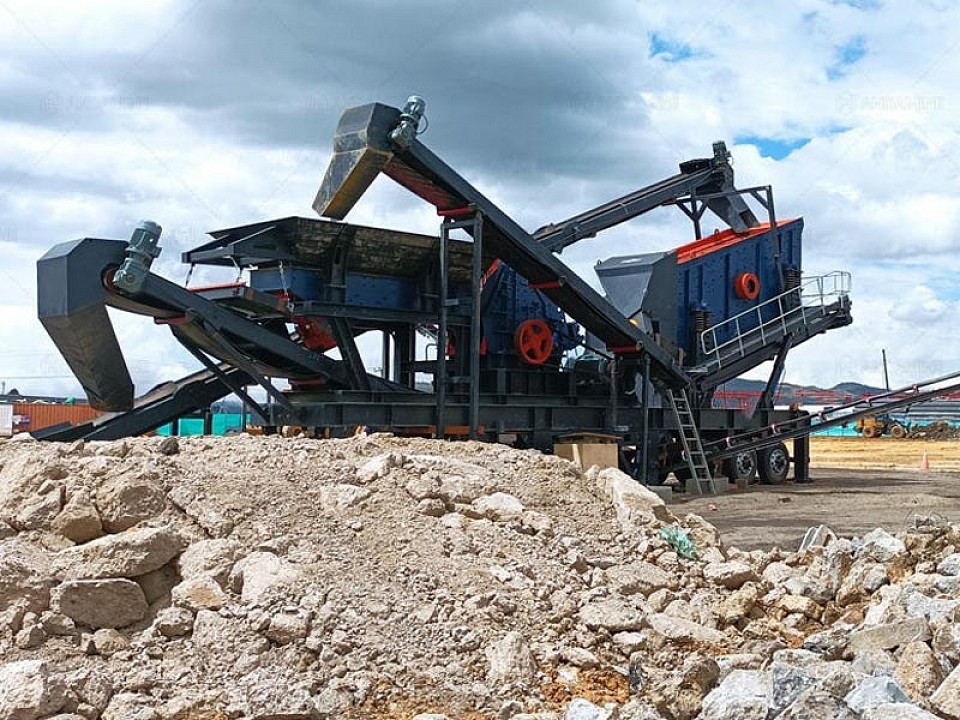
Andamine mobile construction waste crushing plant
Comparing Types of Mobile Crushing and Screening Equipment for Your Operations
Choosing the right mobile crushing and screening equipment helps your operation run smoothly. Different types suit different materials, sites, and production goals. Some offer more mobility, others give higher capacity or better final product quality. In this blog, we compare main types of mobile units. We also explain where a crawler crusher fits in. The aim is to help customers pick the best match for their needs.
Let’s look at how these machines differ and what to consider.
1. Why Compare Mobile Crushing and Screening Equipment?
Operations vary in material type, site conditions, and output targets. One machine may excel in quarries but struggle on soft ground. Another may be perfect for recycling but too big for tight spaces. Comparing types helps avoid wrong choices.
You save time, cut costs, and boost efficiency. Mobile crushing and screening equipment lets you process material on site. This reduces transport and speeds up projects. Knowing the differences helps you plan better.
2. Main Types of Mobile Crushing and Screening Equipment
There are three common setups. First is the jaw crusher plant, used for primary crushing of large rocks. Second is the cone crusher plant, for fine crushing and shaping. Third is the impact crusher plant, for cubical products and recycling.
Each can be combined with screens, conveyors, and sometimes washers. Some units are wheel-mounted for easy road travel. Others are track-mounted, giving better off-road ability.
A crawler crusher is a track-mounted unit. It moves on crawlers, offering strong grip on slopes and rough ground.
3. Wheel-Mounted vs Crawler Crusher
Wheel-mounted mobile plants are faster on roads and highways. They are lighter and often cheaper to transport. But they need firm, even ground to operate safely.
A crawler crusher moves on tracks, so it works in muddy, rocky, or uneven terrain. It climbs better and causes less ground pressure. This makes it ideal for remote mines, forest roads, or wet sites.
Crawler crushers usually cost more to buy but give more placement freedom. Choose based on site access and ground conditions.
4. Jaw Crusher Plants: Strength for Primary Jobs
Jaw crusher plants take big rocks and reduce them to smaller sizes. They are reliable and handle hard materials well. They are often the first step in a crushing circuit.
These plants pair well with screens to sort different sizes. They are common in quarries and large construction projects. Their simplicity makes them easy to maintain.
If your operation needs high capacity and strong primary breaking, jaw plants are a solid choice.
5. Cone Crusher Plants: Precision and Shape
Cone crusher plants follow jaw units in many setups. They crush material into finer, more uniform sizes. They are good for producing high-quality aggregates for concrete and asphalt.
These plants give better control of product gradation. Some models adjust quickly to change output size. They work best with pre-crushed feed from jaw or impact crushers.
If your goal is consistent quality and fine particles, cone plants are worth considering.
6. Impact Crusher Plants: Versatile and Cubical Output
Impact crusher plants use high-speed impact to break material. They produce cubical aggregates, which are great for road bases and decorative stone. They also handle recycled concrete and asphalt well.
These plants are lighter than cone units and often suit smaller sites. Some impact crushers are part of compact mobile systems with built-in screens.
When shaping and recycling are priorities, impact plants are effective.
7. Combined Crushing and Screening Units
Many mobile crushing and screening equipment units combine crushers and screens in one frame. This saves space and setup time. Some also include radial conveyors for stockpiling.
Combined units are handy for small and medium projects. They reduce the need for multiple machines and operators. You can switch between crushing and screening tasks quickly.
These systems improve workflow but may have less capacity than separate large units.
8. Matching Equipment to Your Material and Site
Start by checking material hardness, moisture, and size. Hard rock needs robust jaw or cone crushers. Soft or recycled material may work better with impact crushers.
Next, study site conditions. Firm, flat ground suits wheel-mounted units. Rough, soft, or sloped ground favors a crawler crusher. Also think about transport limits and power supply.
Match equipment size to daily output needs. Avoid over-sizing, which raises cost without benefit.
9. Operating and Maintenance Considerations
All mobile crushing and screening equipment needs regular checks. Look at crusher wear parts, screen mesh, and conveyor belts. Clean dust and debris to prevent overheating.
Train operators to spot issues early. Crawler crushers may need track tension checks and undercarriage care. Good maintenance cuts downtime and repair bills.
Reliable service support from suppliers is also important for keeping equipment running.
10. Conclusion: Choose Based on Your Operation’s Needs
Comparing types of mobile crushing and screening equipment helps you find the best fit. Jaw plants give strong primary crushing. Cone plants offer fine, uniform output. Impact plants shape well and recycle efficiently.
A crawler crusher provides superior mobility on tough terrain. Consider material type, site conditions, and production targets. The right choice improves efficiency, lowers costs, and supports smoother operations.
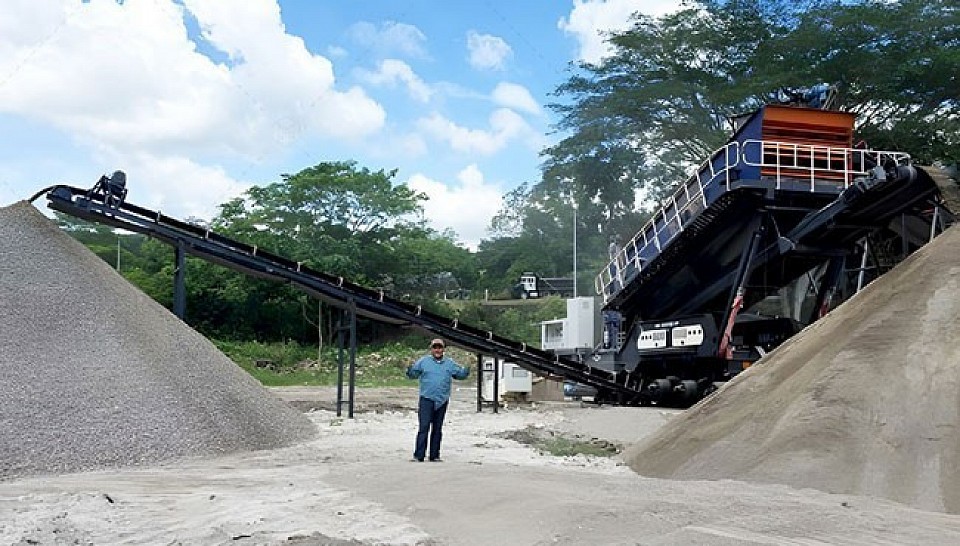
mobile crushing plants in Quarrying and Mining
Planning Your Crusher Plant Layout for Maximum Productivity
A well-planned crusher plant layout boosts efficiency and productivity. It ensures smooth material flow, reduces downtime, and improves safety. Whether you’re setting up a stone crusher plant layout or using a mobile crushing plant, the right layout is key. This blog explains how to plan your crusher plant layout for the best results. We will focus on layout basics, equipment placement, and tips to improve productivity. These insights are valuable for contractors, site managers, and plant operators.
Let’s explore how to design a productive crusher plant layout.
1. Why Crusher Plant Layout Matters
The layout of your crusher plant affects how well it performs. A good layout allows materials to move smoothly from one stage to the next. It reduces delays, fuel use, and labor costs.
Poor planning can lead to bottlenecks and safety risks. It may also increase wear on equipment and lower output. Planning ahead helps avoid these problems.
A smart layout supports both daily operations and long-term goals. It makes maintenance easier and improves overall efficiency.
2. Key Elements of a Stone Crusher Plant Layout
A stone crusher plant layout includes several key parts. These are the feeder, crusher, conveyor belts, screens, and stockpile areas. Each component has a specific role in the crushing process.
The feeder feeds raw material into the crusher. The crusher breaks the material into smaller sizes. Screens sort the crushed material by size. Conveyors move material between machines.
A good layout arranges these parts logically. It ensures a steady flow of material with minimal handling. Proper placement also improves safety and access for workers.
3. Equipment Placement for Better Flow
How you place equipment affects productivity. Crushers should be placed close to feeders and screens. This reduces the distance material must travel.
Conveyors should be positioned to avoid sharp turns or steep angles. This helps prevent blockages and material spillage. Screens should be placed after crushers to sort material efficiently.
Mobile crushing plants offer flexibility in layout. They can be repositioned as needed for different tasks. This makes them useful for temporary or changing job sites.
Proper spacing between machines allows easy maintenance and operation.
4. Designing for Safety and Accessibility
Safety is a major part of plant layout planning. Leave enough space around machines for safe operation and maintenance. Emergency exits and clear walkways are essential.
Place control panels in visible and accessible locations. This helps operators monitor the process easily. Good lighting and ventilation also improve safety and comfort.
A well-organized layout reduces the risk of accidents. It also makes it easier to train new workers and conduct inspections.
5. Adapting Layouts for Mobile Crushing Plants
Mobile crushing plants have unique layout needs. They are often used in temporary or remote locations. The layout must be simple and easy to set up.
These plants work best when placed close to the material source. Conveyors should be short and direct. This reduces setup time and fuel use.
Flexibility is important. The layout may change as the project moves forward. Planning for adaptability ensures continued productivity.
6. Tips to Maximize Productivity
Start by understanding your material type and production goals. Choose equipment that matches your needs. Plan the layout to minimize material handling and movement.
Keep the workspace clean and organized. Regular maintenance prevents unexpected breakdowns. Train operators to follow safety and efficiency guidelines.
A good layout supports smooth operations from start to finish. It helps you achieve maximum productivity with less effort.
7. Conclusion: Start with a Smart Layout
Planning your crusher plant layout is essential for success. A good layout improves flow, safety, and output. Whether you use a stone crusher plant layout or a mobile crushing plant, smart design pays off.
Take time to plan each part of your plant. The right layout leads to better productivity and long-term success.
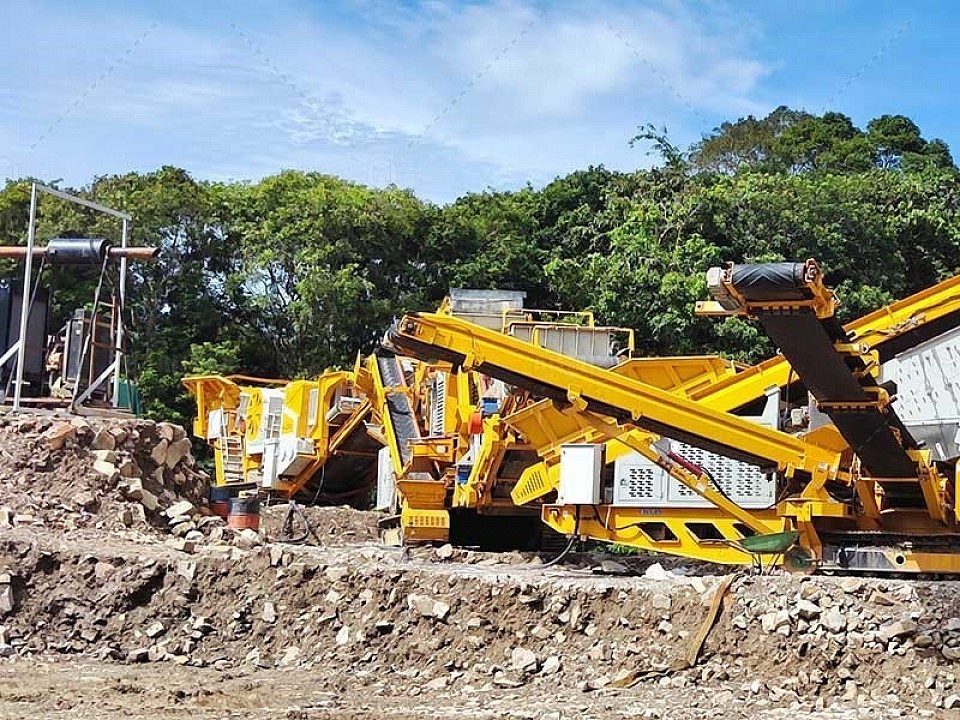
how mobile crushing plants work in malaysia
Growing Demand for Mobile Crusher Plants in Malaysia’s Developing Economy
Malaysia’s economy is growing rapidly. Construction, mining, and infrastructure projects are increasing every year. This growth creates a higher demand for construction materials. Mobile crusher plants are playing a key role in meeting these needs. They provide a flexible and efficient way to process raw materials on-site. This blog explains the growing demand for mobile crusher plants in Malaysia. We will also discuss what is a mobile crushing plant and the role of mobile crushing screening plants. These solutions are valuable for businesses and contractors involved in development projects.
Let’s explore why mobile crusher plants are becoming essential in Malaysia.
1. Malaysia’s Growing Infrastructure Needs
Malaysia is investing heavily in infrastructure. New roads, railways, airports, and buildings are being developed across the country. These projects need large amounts of aggregates like sand, gravel, and crushed stone.
Mobile crusher plants help produce these materials efficiently. They can be set up quickly at construction or mining sites. This reduces the need to transport materials from far away.
As the economy grows, the demand for fast and flexible crushing solutions increases. Mobile crusher plants are well-suited to meet these needs. They support the development of modern infrastructure across Malaysia.
2. What Is a Mobile Crushing Plant?
What is mobile crushing plant? It is a portable setup that includes crushers, screens, and conveyors. These machines are mounted on wheels or tracks for easy movement.
Mobile crushing plants can be operated in different locations. They are ideal for projects in remote or temporary sites. These plants crush rocks and other materials on the spot.
They are designed to handle various materials like limestone, granite, and quarry waste. Mobile crushers produce aggregates used in construction and road building.
These plants save time and transportation costs. They are a practical solution for Malaysia’s growing material needs.
3. Advantages of Mobile Crusher Plants
Mobile crusher plants offer many benefits. First, they are flexible. They can be moved easily between job sites. This is helpful for contractors working in different locations.
They also save time. Setup is faster than building a stationary plant. This allows work to start quickly on new sites.
Mobile crushers reduce material transport costs. They process rocks on-site. This also lowers the environmental impact of transporting heavy loads.
These plants are easy to operate and require less manpower. They are a cost-effective solution for many construction and mining projects.
4. Role of Mobile Crushing Screening Plants
A mobile crushing screening plant combines crushing and screening in one unit. It crushes materials and separates them by size in one step.
This type of plant improves efficiency. It produces sorted aggregates ready for use immediately. This saves time and improves material quality.
Mobile crushing screening plants are useful for producing different grades of materials. They are ideal for road bases, concrete, and asphalt production.
These plants are also compact and easy to transport. They support operations in tight or limited-space job sites.
Contractors benefit from having both crushing and screening functions in one machine.
5. Supporting Diverse Industries
Mobile crusher plants support many industries in Malaysia. They are widely used in construction, mining, and quarrying. They are also useful in recycling and demolition projects.
In construction, they provide aggregates for buildings and roads. In mining, they help process ore and extract valuable minerals. In recycling, they crush concrete and asphalt for reuse.
Their ability to work in different industries makes them very valuable. As Malaysia’s economy grows, so does the need for such flexible equipment.
Businesses gain efficiency and cost savings by using mobile crushers.
6. Conclusion: Meeting Future Development Needs
The demand for mobile crusher plants is rising in Malaysia. As the economy develops, more projects need fast and flexible material processing. What is a mobile crushing plant and how does it help? It provides a portable, efficient solution for crushing rocks and aggregates on-site.
Mobile crushing screening plants further improve efficiency by combining two steps in one. These technologies support Malaysia’s infrastructure, mining, and construction growth. They are valuable tools for a developing economy.
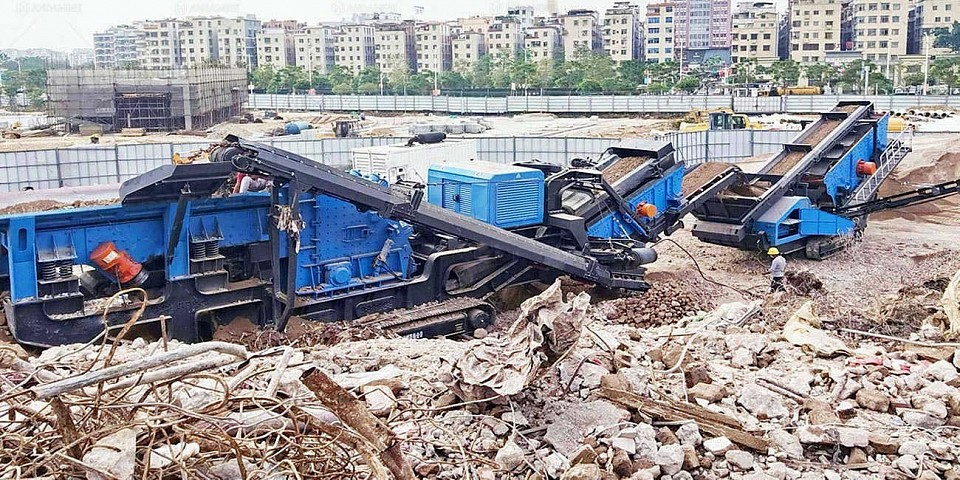
100tph Mobile Track Crusher Plant for Construction Waste Recycling in the Philippines
Using Mobile Crusher Plants for Efficient Concrete Waste Management
Managing concrete waste efficiently is vital for sustainable construction. Traditional methods of transporting and dumping waste are costly and harmful to the environment. Mobile crusher plants offer a smarter solution. They process concrete waste on-site. This reduces waste, saves money, and supports recycling. This blog explains how mobile crusher plants help manage concrete waste. We will also discuss mobile crusher plant price and tracked crushers.
Let’s explore how these plants improve waste management.
1. Why Concrete Waste Management Matters
Construction projects generate a lot of concrete waste. This includes broken slabs, unused concrete, and debris. Dumping this waste in landfills is expensive and unsustainable. It also uses up valuable land and resources.
Recycling concrete waste reduces the need for new raw materials. It also lowers transportation and disposal costs. Proper waste management improves site cleanliness and safety. It is also required by many environmental regulations.
Mobile crusher plants help manage this waste effectively. They allow contractors to crush concrete on-site. This transforms waste into reusable aggregate.
2. How Mobile Crusher Plants Help
A mobile crusher plant processes concrete waste at the job site. It crushes the material into smaller, reusable pieces. These pieces can be used as aggregate for new projects.
The process starts by feeding concrete waste into the crusher. The crusher breaks it down into gravel or crushed stone. Screens then sort the material by size. This ensures the output meets project needs.
Using a mobile crusher plant reduces the need to transport waste. This cuts fuel costs and carbon emissions. It also speeds up the recycling process.
3. Benefits of On-Site Concrete Crushing
Crushing concrete on-site has many advantages. It saves time and transportation costs. There is no need to haul waste to a recycling plant.
On-site crushing also produces fresh aggregate quickly. This material can be reused right away. It reduces the need to buy new materials.
Mobile crusher plants make this process easy. They are easy to set up and operate. They can move around the site as needed. This flexibility improves efficiency.
4. Mobile Crusher Plant Price Considerations
The mobile crusher plant price depends on the type and capacity. Smaller plants are more affordable and suitable for minor projects. Larger plants cost more but handle bigger volumes.
When choosing a plant, consider your project size and budget. A slightly higher initial cost may save money over time. Look for a plant that balances price, performance, and features.
Also, think about long-term costs like fuel, maintenance, and transport. A reliable plant reduces operational expenses. It also improves return on investment.
5. The Role of Tracked Crushers
Tracked crushers are a type of mobile crusher plant. They are mounted on tracks instead of wheels. This design allows them to work on rough or uneven ground.
Tracked crushers are ideal for off-road or hilly job sites. They provide great stability and mobility. They can move easily without needing a flat surface.
These crushers are often used in mining and large construction projects. They are durable and can handle heavy-duty tasks. For concrete waste, they offer efficient and stable crushing.
6. Choosing the Right Mobile Crusher Plant
When selecting a mobile crusher plant, consider your material type. Hard concrete needs a strong crusher like a jaw or impact type. Choose a plant that matches your output needs.
Think about the size of the crushed material. Different projects need different aggregate sizes. Make sure the plant can produce the right size.
Also, check if the plant includes a screen and conveyor. These help sort and transport the material. A complete system improves efficiency and reduces manual work.
7. Conclusion: A Practical Solution for Waste Management
Mobile crusher plants provide an efficient way to manage concrete waste. They crush waste on-site and produce reusable aggregate. This reduces costs, saves resources, and supports sustainability.
The mobile crusher plant price varies, but the benefits often outweigh the cost. Tracked crushers add flexibility for tough job sites. Choosing the right plant improves efficiency and supports green construction practices.
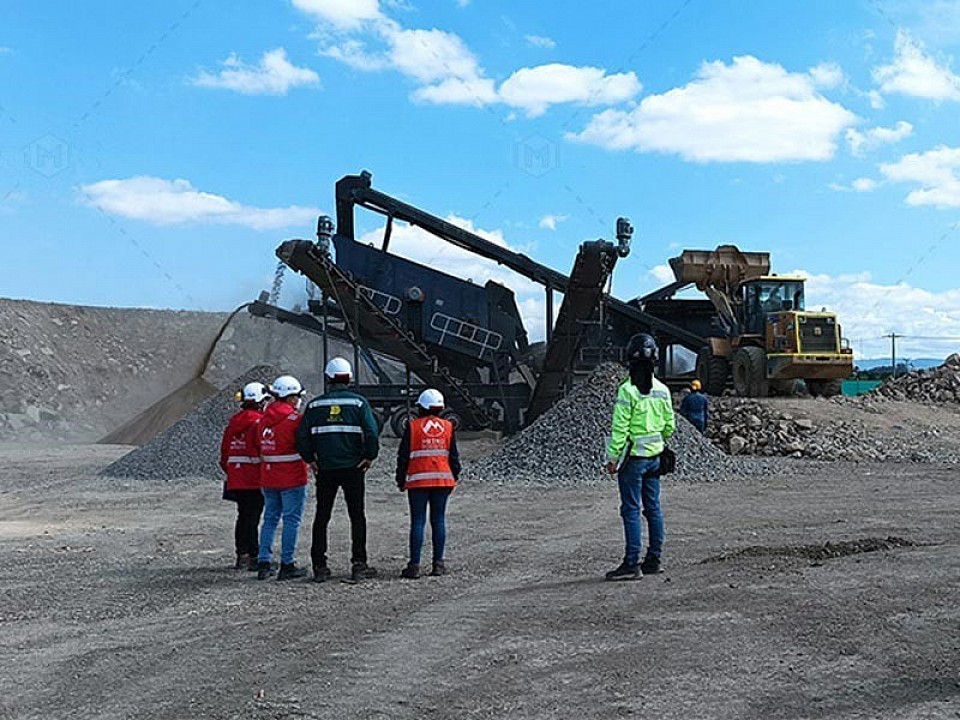
How to Choose a Stone Crusher Machine Within Your Nigeria Budget
Choosing a stone crusher machine within your Nigeria budget requires careful planning. Many factors affect the stone crusher machine price in Nigeria. Understanding these factors helps you make a smart purchase. This blog guides you through the process. We also discuss how a stone crushing plant fits into your budget.
Let’s explore how to find the right machine for your needs and budget.
Assess Your Project Requirements First
Start by understanding your project needs. Determine the type and amount of material to crush. Different materials need different crusher types. Hard rocks like granite require more powerful machines.
Consider the production capacity you need. Higher capacity machines cost more. Choose a machine that matches your daily output goals. This ensures efficiency and avoids overspending.
Think about the size of the input and output materials. The required final size affects the type of crusher. Knowing these details helps narrow down your options. It also helps estimate the stone crusher machine price in Nigeria.
Research Different Types of Crushers
There are several types of stone crushers available. Jaw crushers are common for primary crushing. Cone crushers work well for secondary and tertiary crushing. Impact crushers are used for producing fine materials.
Each type has a different price range. Jaw crushers are usually more affordable. Cone and impact crushers may cost more but offer better efficiency. Choose the type that suits your material and budget.
Mobile crushers are also an option. They are flexible but often more expensive. A stationary stone crushing plant may be cheaper for long-term projects. Consider your project location and mobility needs.
Compare Stone Crusher Machine Price in Nigeria
The stone crusher machine price in Nigeria varies by type and brand. New machines are more expensive than used ones. Imported machines may have higher costs due to shipping and taxes.
Compare prices from different suppliers. Check online and local dealers for the best deals. Ask for quotes that include delivery and installation costs. This gives you a clear picture of the total investment.
Consider the total cost of ownership. Maintenance, fuel, and spare parts add to the long-term cost. A slightly higher initial price may save money over time. Balance upfront costs with long-term value.
Consider Used or Refurbished Options
Used stone crusher machines are a budget-friendly choice. They are often available at lower prices. Make sure the machine is in good working condition. Check the wear and tear before purchasing.
Refurbished machines are another option. They are repaired and tested for performance. Refurbished crushers can offer good value for money. Always verify the warranty and support options.
Used and refurbished machines can fit tight budgets. They are ideal for small-scale projects. Ensure you inspect the machine thoroughly before buying.
Plan for Additional Costs
Do not forget additional costs. Transportation and installation add to the total expense. A stone crushing plant setup may require extra investment. Consider the cost of land, power supply, and water.
Maintenance and operational costs are also important. Regular servicing keeps the machine efficient. Fuel and spare parts should be factored into your budget.
Plan for unexpected repairs. Set aside some funds for emergencies. This ensures smooth operations without financial stress.
Conclusion: Making the Right Choice
Choosing a stone crusher machine within your Nigeria budget is possible. Assess your needs, compare prices, and explore used options. The stone crusher machine price in Nigeria varies, so do your research.
A well-planned purchase ensures value for money. Consider all costs, not just the initial price. With the right approach, you can find a suitable machine for your project and budget.
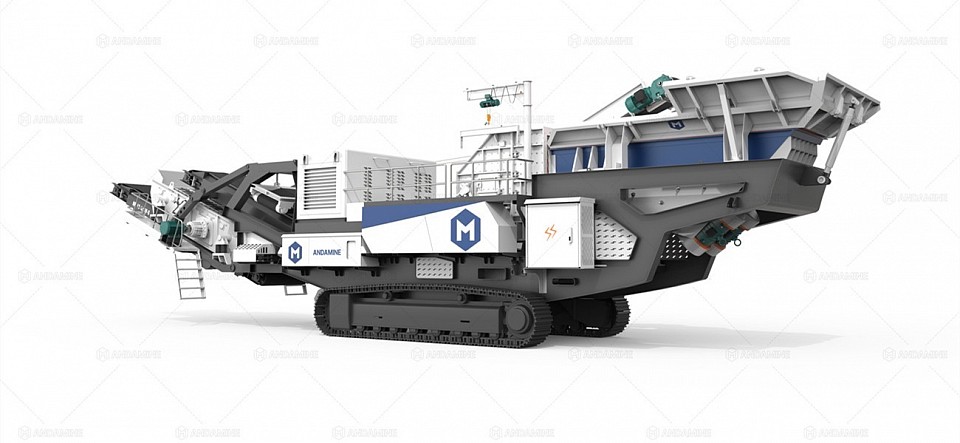
How to Combine Mobile Cone Crushers and Mobile Impact Crusher for Sale to Improve Crushing Efficiency
When construction companies, mining operators, or quarry owners are looking for ways to enhance their production output, equipment selection becomes a crucial factor. In the modern aggregates and mining industry, efficiency is not just about how much raw material is processed, but also about how well machines complement one another to create smooth workflows. Among the most valuable equipment for crushing operations are mobile cone crushers and the mobile impact crusher for sale, both of which can work independently or together. By carefully combining these two types of machines, businesses can achieve superior crushing efficiency, reduce operational costs, and improve the quality of final products.
The Role of Mobile Cone Crushers
Mobile cone crushers are designed to perform secondary or tertiary crushing, handling materials that have already been reduced in size by a primary crusher. They excel at producing consistent, finely crushed aggregates with excellent shape. Their key advantage lies in their ability to crush harder, abrasive materials like granite, basalt, and river stone while delivering precise control over the final output size.
Another benefit of mobile cone crushers is their adaptability. Being mobile means they can easily be relocated to different parts of a site, minimizing the need for transporting raw materials over long distances. This not only saves time but also lowers fuel consumption. Additionally, cone crushers are known for their high reduction ratio, making them an essential part of a crushing chain when uniform aggregate quality is critical.
The Function of Mobile Impact Crusher for Sale
On the other hand, the mobile impact crusher for sale is highly valued for its versatility and efficiency in handling softer to medium-hard materials, such as limestone, concrete, or recycled construction debris. Unlike cone crushers, impact crushers are particularly effective at creating cubic-shaped end products, which are in high demand for road construction and building projects.
Another distinct advantage of impact crushers is their ability to process materials with a high moisture content or materials containing reinforcing steel, such as demolition waste. This makes them indispensable in recycling applications where flexibility and productivity go hand in hand. With modern technology, mobile impact crushers are also equipped with advanced hydraulic systems and intelligent controls, ensuring smooth operation and easy adjustments to meet project requirements.
Why Combine Mobile Cone Crushers with Mobile Impact Crushers
The true power of these machines is unlocked when they are combined into a multi-stage crushing process. A mobile impact crusher for sale can serve as the primary stage, breaking down softer raw materials or demolition debris into manageable sizes. Once the materials are processed into intermediate-sized aggregates, mobile cone crushers can take over in the secondary or tertiary stages, refining the material further into high-quality end products.
This combination not only maximizes the efficiency of the crushing line but also ensures that the strengths of both machines are fully utilized. Impact crushers bring speed and flexibility to the initial stages, while cone crushers provide precision and durability in the later stages. Together, they create a balanced system capable of handling a wide variety of materials and project demands.
Efficiency Gains in Multi-Stage Crushing
Using both types of crushers in sequence allows for better load distribution, meaning each machine handles the part of the process it is best suited for. For instance, when a mobile impact crusher reduces larger chunks into medium-sized pieces, the mobile cone crusher can focus solely on refining, ensuring consistent particle shape and minimizing wear on the equipment.
This division of labor results in higher throughput, lower energy consumption, and improved product quality. Operators benefit from fewer blockages, reduced downtime, and better control over the size and shape of the aggregates being produced. In competitive markets like construction materials and road base supply, these efficiency gains translate directly into profitability.
Mobility and Flexibility for On-Site Projects
Another key factor is the mobility of both machines. Construction and mining projects often move between sites, requiring flexible solutions that can be deployed quickly. The fact that both cone crushers and impact crushers are available as mobile units means they can be transported easily to different locations. This reduces material handling costs, minimizes delays, and allows operators to respond quickly to changing project requirements.
For contractors handling multiple projects across various sites, the ability to bring a mobile impact crusher for sale and pair it with mobile cone crushers offers unmatched convenience. Together, they create a modular crushing system that can be scaled up or down depending on the volume of material to be processed.
Cost Efficiency and Return on Investment
While purchasing both mobile cone crushers and a mobile impact crusher for sale may require a significant initial investment, the long-term benefits often outweigh the upfront costs. By improving crushing efficiency and reducing operational expenses, this equipment combination ensures a faster return on investment. Lower fuel consumption, reduced downtime, and higher output all contribute to overall savings.
Additionally, having both machines on hand provides flexibility for future projects. Instead of being limited to one type of crushing, operators can adjust their setup depending on material type, project specifications, and customer requirements. This versatility enhances competitiveness in the marketplace and ensures equipment utilization remains high.
Practical Applications Across Industries
The combination of mobile cone crushers and the mobile impact crusher for sale finds applications in a wide range of industries. In road construction, the impact crusher creates cubic aggregates for asphalt, while the cone crusher delivers finely graded material for the sub-base. In mining, cone crushers refine hard rock into valuable mineral aggregates, while impact crushers handle softer waste rock or recycling streams. Even in demolition and recycling, both machines complement each other to maximize resource recovery.
Conclusion
When it comes to achieving maximum crushing efficiency, relying on a single machine type may not always deliver the best results. Instead, the smart approach is to combine the strengths of different crushers into a streamlined system. By using mobile cone crushers alongside a mobile impact crusher for sale, operators can benefit from improved throughput, better material quality, lower costs, and enhanced flexibility across diverse project requirements. This combination not only addresses the immediate challenges of crushing but also ensures long-term competitiveness and profitability for businesses operating in the construction, mining, and recycling industries.
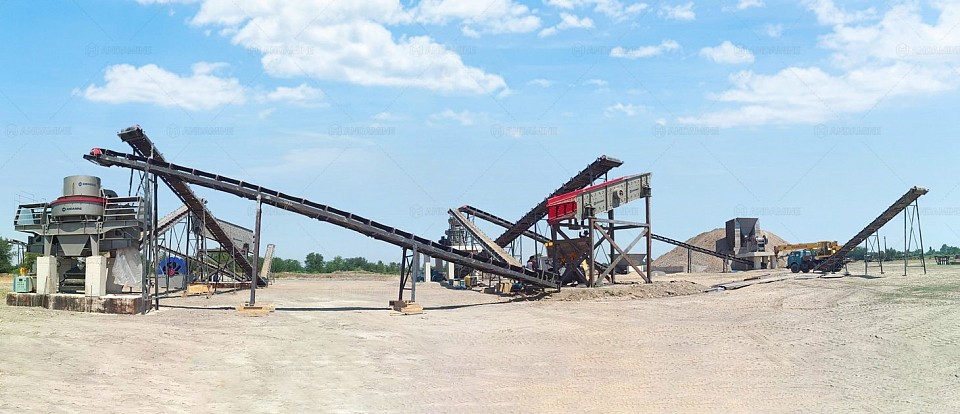
How Does a Gravel Crusher Work for Producing Construction Material for Houses
Gravel is one of the most essential raw materials in the construction industry, particularly for house building projects. From laying foundations to paving driveways and mixing concrete, gravel serves as a versatile and reliable base material. But before it can be used on-site, gravel must be processed from natural rock into usable sizes. That’s where gravel crushers come into play. Understanding how does a gravel crusher work helps construction professionals, homeowners, and contractors choose the right equipment and materials for their needs, while ensuring a cost-effective and efficient construction process.
The Basics of Gravel Crushers
Gravel crushers are machines designed to reduce large rocks into smaller, more manageable pieces. These machines are crucial in converting raw stone into specific grades of gravel used in residential construction. The most common types of gravel crushers include jaw crushers, cone crushers, impact crushers, and sometimes VSI crushers (vertical shaft impactors), each serving a different purpose depending on the hardness and size of the material to be crushed.
The process typically begins with large rocks extracted from a quarry or riverbed. These rocks are loaded into a primary crusher—usually a jaw crusher—where the first phase of reduction occurs. The jaw crusher works by using compressive force: the rock is trapped between two rigid metal plates and crushed as the movable plate moves inward toward the stationary one. This action breaks the rock into chunks small enough to be handled by secondary crushers.
Secondary and Tertiary Crushing
Once the initial crushing is complete, the resulting stone fragments are fed into a secondary crusher. This is often a cone crusher or an impact crusher , depending on the desired gravel characteristics. A cone crusher uses a spinning cone within a fixed outer shell to crush the rocks further by compressing them between the surfaces. On the other hand, an impact crusher hurls the stones against hard surfaces at high speed, causing them to shatter. This method is particularly effective for producing finer gravel or uniform particle shapes, which are ideal for residential construction needs such as concrete aggregate or decorative landscaping stones.
In some cases, a third stage of crushing may be needed. This is often where VSI crushers come in. These crushers use a vertical shaft and high-speed rotors to crush materials into precise, fine sizes. They are especially useful when a highly uniform, sand-like material is required for the final product, such as in the preparation of ready-mix concrete for house slabs or mortar for bricklaying.
Screening and Sorting
After the rocks are crushed into smaller particles, they pass through screening equipment , which separates the gravel by size. This is an essential step in the process because different sizes serve different construction purposes. For instance, larger gravel (such as 3/4 inch) may be used in the base layer of driveways or under concrete slabs, while smaller gravel or crushed fines are perfect for mixing with sand and cement to form concrete.
High-efficiency vibrating screens are used in gravel production lines to ensure accurate separation of materials. Oversized pieces that don’t meet the size criteria are redirected back to the crusher for further reduction. This cycle continues until all particles are processed into usable, construction-grade gravel.
Dust Control and Final Preparation
Throughout the crushing process, a significant amount of dust can be generated. Dust control is critical not just for worker safety and environmental protection, but also for maintaining the quality of the construction material. Water spray systems and dust suppression technologies are often integrated into modern gravel crushers to minimize airborne particles.
Once the gravel is crushed, screened, and sorted, it is either stockpiled for future use or loaded directly onto trucks for delivery to construction sites. In many house-building projects, this gravel will become part of the structural foundation, be used as backfill, or serve as an aggregate in concrete production.
Why Gravel Crushers Are Essential in House Construction
Knowing how does a gravel crusher work gives insight into how crucial these machines are for modern residential construction. Houses rely on a solid foundation, and gravel provides the necessary support and drainage needed under slabs, footings, and other structural components. Additionally, gravel is used in utility trenches, driveways, walkways, and even in the production of roof tiles and precast concrete products.
Gravel crushers ensure that this critical material is readily available in the right size and quality, without the need to rely on inconsistent natural sources. For contractors, using crushed gravel from a reliable crusher means improved project timelines, better cost control, and enhanced building durability. It also helps reduce the environmental impact by processing rocks more efficiently and reducing waste material.
Choosing the Right Crusher for House Construction Projects
Not all gravel crushers are created equal. The selection depends on the project scale, the type of raw material, desired gravel size, and production capacity. For small-scale residential developments, mobile crushers might be a better fit due to their flexibility and mobility on-site. Larger projects may benefit from stationary crushing plants that offer high throughput and consistent output quality.
Contractors and equipment buyers should consider several factors when choosing gravel crushers: feed size, output size range, capacity, ease of maintenance, and energy efficiency. Investing in the right crusher can significantly improve the efficiency of producing construction-grade gravel and lower the long-term cost of sourcing materials.
Gravel crushers play a fundamental role in producing high-quality construction materials for residential housing. From breaking down large rocks to screening out precise gravel sizes, these machines form the backbone of any modern construction material supply chain. Understanding how does a gravel crusher work enables construction professionals to make informed decisions when selecting equipment, planning building projects, and sourcing the most reliable and cost-effective materials. Whether you’re building a small house or managing a large residential development, having the right gravel and the right crushing process in place is key to success.
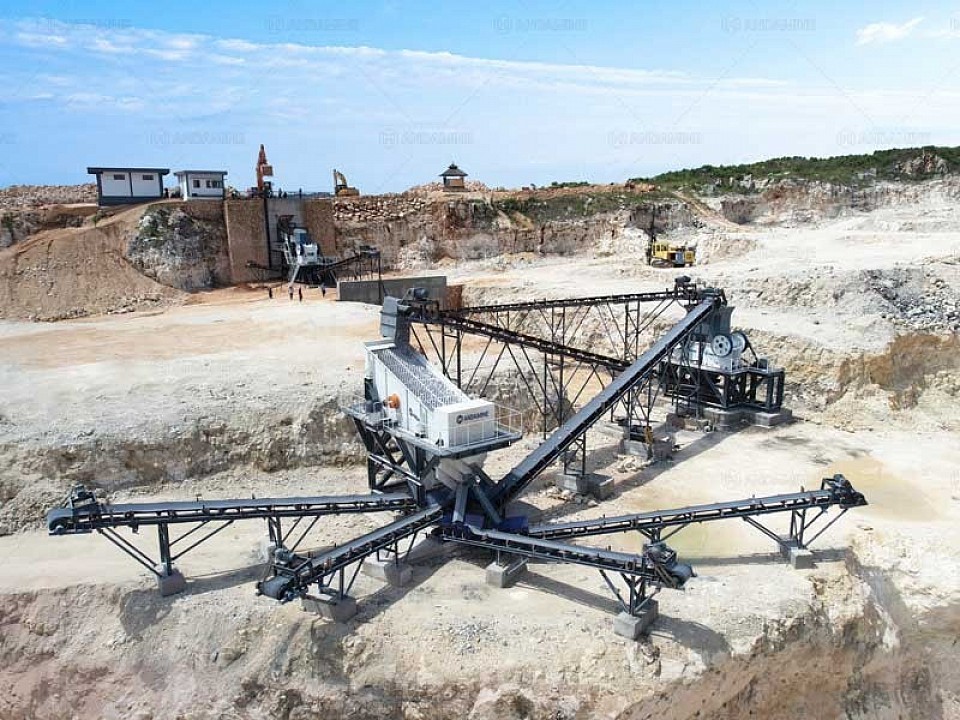
Top 10 Strategies to Boost Efficiency in Stone Crushing Plants
In the competitive stone crushing industry, efficiency is crucial. Efficient operations reduce costs and increase profitability. Implementing effective strategies enhances the performance of your crusher plant machine. This article outlines ten strategies to boost efficiency in stone crushing plants.
1. Conduct Regular Maintenance
Regular maintenance keeps your crusher plant machine in optimal condition. It prevents unexpected breakdowns and costly repairs. Schedule routine inspections and address issues promptly. Regular maintenance enhances efficiency and extends equipment lifespan.
2. Optimize Plant Layout
A well-designed layout minimizes material handling and transportation. Arrange equipment to ensure smooth material flow. This reduces bottlenecks and enhances productivity. An optimized layout boosts efficiency and reduces the cost of stone crusher plant operations.
3. Invest in Quality Equipment
High-quality equipment performs better and lasts longer. Invest in reliable crusher plant machines to reduce downtime. Quality equipment may have a higher initial cost but offers long-term savings. It ensures consistent performance and efficiency.
4. Implement Automation
Automation streamlines operations and reduces human error. Automated systems optimize settings and monitor performance. They adjust operations based on real-time data. Implementing automation enhances efficiency and productivity.
5. Train and Empower Employees
A skilled workforce ensures efficient operations. Provide regular training to enhance employee skills. Empower employees to take initiative and address issues. A knowledgeable and motivated team boosts productivity and efficiency.
6. Monitor and Analyze Performance
Regularly monitor and analyze plant performance. Use data to identify areas for improvement. Implement changes based on insights to optimize operations. Continuous monitoring enhances efficiency and competitiveness.
7. Optimize Energy Use
Energy efficiency reduces operational costs. Implement energy-saving practices and use efficient equipment. Regularly monitor energy use to identify wastage. Optimizing energy consumption enhances efficiency and reduces the cost of stone crusher plant operations.
8. Use High-Quality Materials
High-quality materials reduce wear and tear on equipment. They enhance output quality and reduce reprocessing needs. Using quality materials improves plant efficiency and product consistency. It also reduces operational costs and boosts profitability.
9. Implement Predictive Maintenance
Predictive maintenance uses technology to anticipate equipment failures. Sensors and data analytics help schedule maintenance activities. This approach prevents unexpected breakdowns and reduces downtime. Implementing predictive maintenance enhances efficiency and extends equipment lifespan.
10. Foster a Culture of Continuous Improvement
Encourage a culture of continuous improvement in your plant. Involve employees in identifying and implementing improvements. Regularly review processes and implement best practices. A culture of improvement enhances efficiency and drives success.
Conclusion
In conclusion, boosting efficiency in stone crushing plants requires strategic planning and execution. Regular maintenance, quality equipment, and optimized layouts enhance performance. Implementing automation and energy-saving practices reduces costs. Continuous monitoring and improvement drive efficiency and success. By adopting these strategies, you can enhance your crusher plant machine's performance. Efficient operations reduce the cost of stone crusher plant activities and increase profitability. Prioritizing efficiency ensures competitiveness and long-term success in the stone crushing industry.
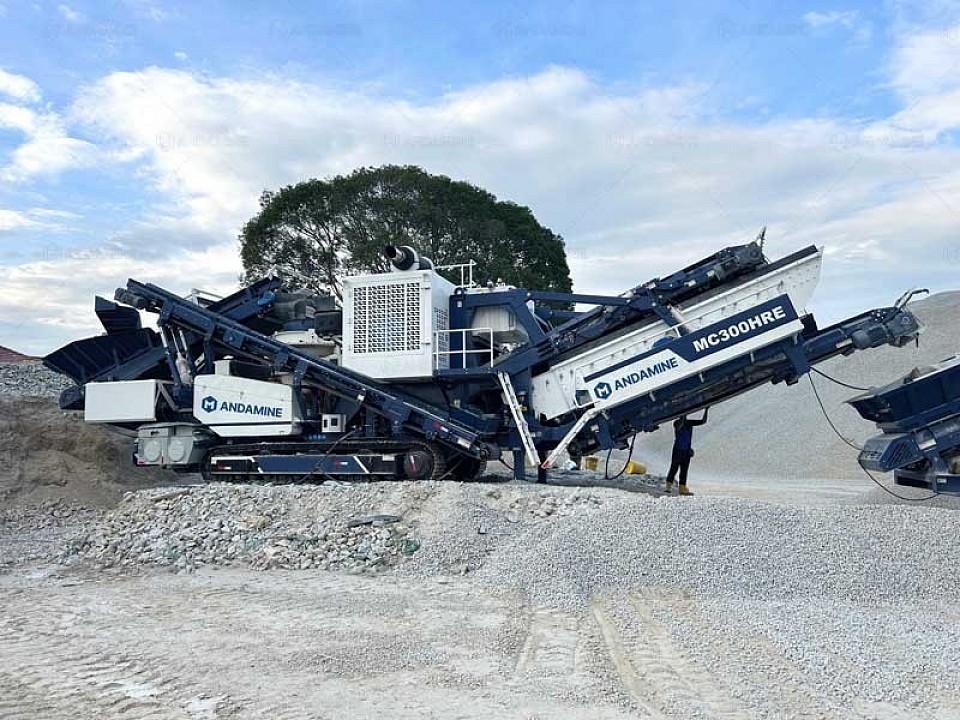
Design and Layout Considerations for Stone Crushing Plants
Designing a stone crushing plant involves careful planning and consideration. The layout affects efficiency, safety, and cost. Each element must work harmoniously for optimal performance. Whether you plan a mobile crusher plant or a stationary crusher plant, understanding key factors is essential. This guide explores important design and layout considerations for stone crushing plants.
Site Selection and Preparation
The first step in designing a crushing plant is selecting the site. Choose a location with easy access to raw materials. Proximity to transportation networks reduces costs and improves logistics. Consider the topography and soil stability. A flat, stable area minimizes construction challenges. Prepare the site by clearing vegetation and leveling the ground. Ensure compliance with environmental regulations during site preparation.
Plant Layout and Flow Design
The plant layout impacts efficiency and safety. Design the layout to ensure smooth material flow. Start by placing the primary crusher at the source of raw material. This reduces hauling distances and fuel consumption. Arrange the secondary crusher and screening equipment in sequence. Ensure easy access for maintenance and repairs. In mobile crusher plants, design for flexibility and quick setup. Stationary crusher plants benefit from a fixed, optimized layout.
Equipment Selection and Arrangement
Selecting the right equipment is crucial for plant performance. Choose crushers and screens based on material type and desired output. Mobile crusher plants require lightweight, portable equipment. This enhances mobility and reduces setup time. Stationary crusher plants can use heavier, high-capacity equipment. Arrange equipment to minimize material handling and optimize process flow. Efficient equipment arrangement reduces downtime and boosts productivity.
Safety and Environmental Considerations
Safety is a top priority in plant design. Incorporate features like emergency stops and safety barriers. Ensure proper lighting and signage for safe operation. Consider environmental impacts such as dust and noise. Install dust suppression systems to minimize emissions. Use noise-dampening measures to protect workers' hearing. Both mobile and stationary crusher plants should comply with safety and environmental standards. Regular audits ensure ongoing compliance.
Infrastructure and Utilities
Plan for necessary infrastructure and utilities. Ensure a reliable power supply for continuous operation. Mobile crusher plants may use generators for power. Stationary crusher plants typically connect to the local grid. Consider water supply for dust suppression and cleaning. Plan for adequate drainage to prevent water accumulation. Include access roads for easy transportation of materials and equipment. Proper infrastructure supports efficient and uninterrupted operations.
Maintenance and Accessibility
Design the plant with maintenance in mind. Ensure easy access to all equipment for routine inspections and repairs. Provide sufficient space around machinery for safe and efficient maintenance. Mobile crusher plants should allow for quick disassembly and transport. Stationary crusher plants benefit from permanent access points for maintenance equipment. Regular maintenance reduces downtime and extends equipment life.
Cost Considerations and Budgeting
Budgeting is a critical aspect of plant design. Consider initial construction costs and ongoing operational expenses. Mobile crusher plants may have higher initial costs due to portability features. However, they offer flexibility and reduced transport costs. Stationary crusher plants typically have lower operational costs. Plan for contingency expenses and potential overruns. Effective budgeting ensures financial viability and project success.
Conclusion
Designing a stone crushing plant requires careful planning and consideration. Site selection, layout, and equipment choice impact efficiency and safety. Mobile crusher plants offer flexibility, while stationary crusher plants provide stability. Safety and environmental considerations ensure compliance and worker protection. Proper infrastructure and maintenance planning enhance productivity. Budgeting ensures financial success. By focusing on these factors, operators can design efficient and effective stone crushing plants.